


Doorbell Installation questions, answered by experts
If you feel your energy bills are too high or your HVAC system is working harder than necessary to maintain the correct temperature in your home, you may have an under-insulated home. If you’re unsure, consider having your system’s efficiency assessed by a local independent energy auditor.
Spreading tin foil over your windows works similarly to radiant barrier insulation, but not as well. It will reflect some of the sunlight that would otherwise come through the glass and warm up the inside of your home, so it might help a little to keep your home cool in the summer. However, the appearance isn’t preferable to blinds or drapes that can offer the same benefits. You might also consider tinting your windows instead, which is a more aesthetically pleasing change that can still block a good portion of the solar heat coming through your windows.
It is usually possible to install insulation yourself, but it’s often better to hire an insulation professional. An experienced insulation pro can determine which type of insulation is best for your space and the R-value get the most value and comfort in your home. Certain types of insulation can cause skin, eye, and lung irritation, and a professional will have the equipment necessary to keep themselves safe and limit the effect on your indoor air quality after the installation. Certain types of insulation—like blown-in and loose-fill insulation—demand a professional for proper functionality and safe installation.
Cellular shades, also known as honeycomb shades, are the most energy-efficient and insulating window treatments. Their honeycomb structure is made of soft fabric that forms layered cell pockets. These pockets trap air, creating a thermal barrier that reduces heat loss in the winter and blocks heat gain in the summer. For even greater insulation, consider double- or triple-cell varieties. Side-tracked cellular shades, which seal the edges of the window frame, can further minimize air leaks and maximize energy efficiency.
A radiant barrier is a form of insulation topped with a reflective material designed to keep homes cool during hotter months. It is generally considered worth the investment if you live in a hot, sunny climate, as the cost can be recouped over time through lower energy bills. Installation costs typically range from $0.10 to $1 per square foot. After installation, homeowners in warm climates may save between $7 and $15 per month, potentially reducing their electric bill by 5% to 10%. The exact savings will vary depending on your location and the type of barrier chosen.
The Charlson, ND homeowners’ guide to doorbell installation services
From average costs to expert advice, get all the answers you need to get your job done.
Ring a bell? From replacing a wired doorbell to setting up a smart home system, learn about typical doorbell installation costs, including materials and labor.
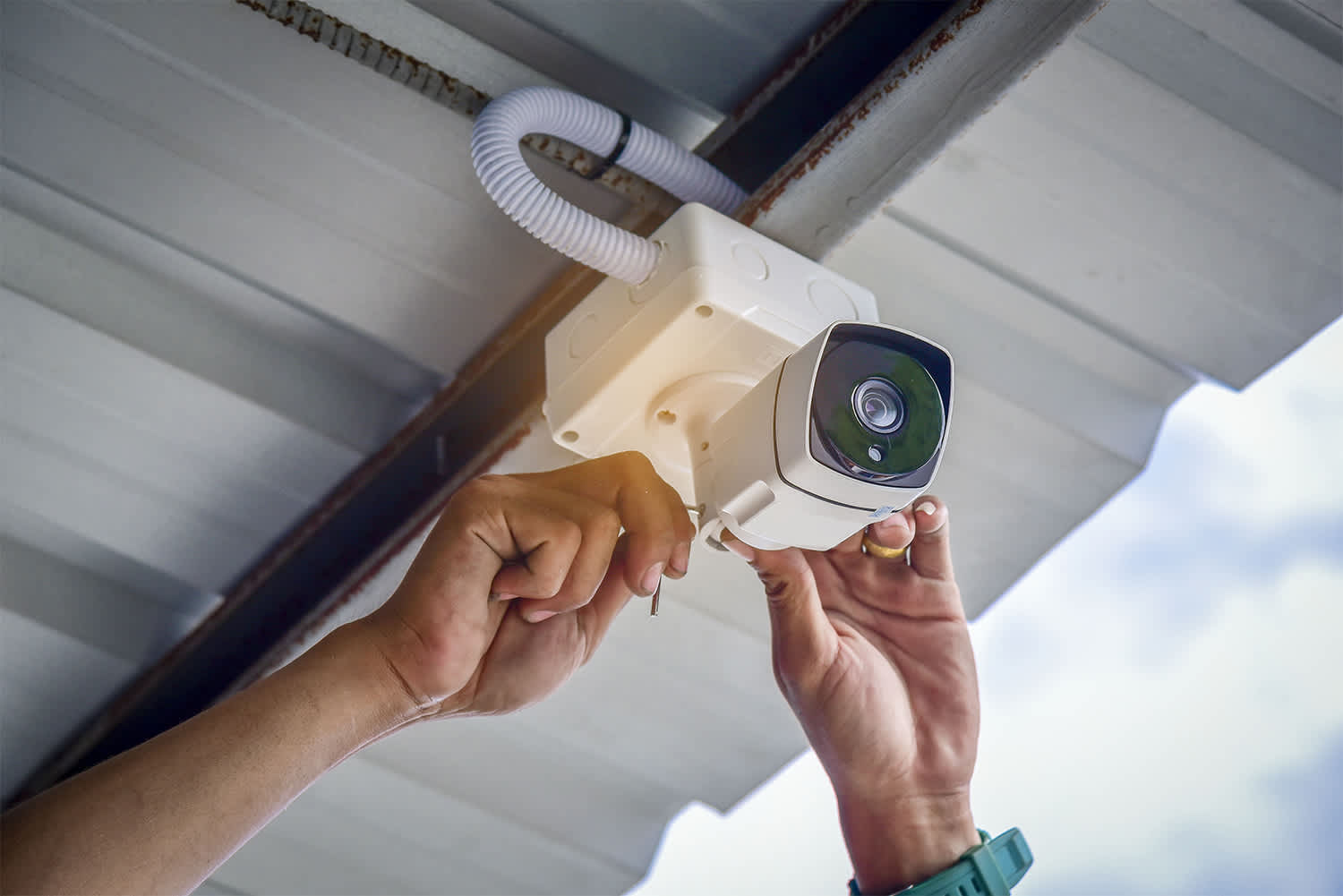
How much does it cost to install a doorbell camera? It depends on whether you plan to DIY or hire a pro. Learn about different models and their power sources, too.
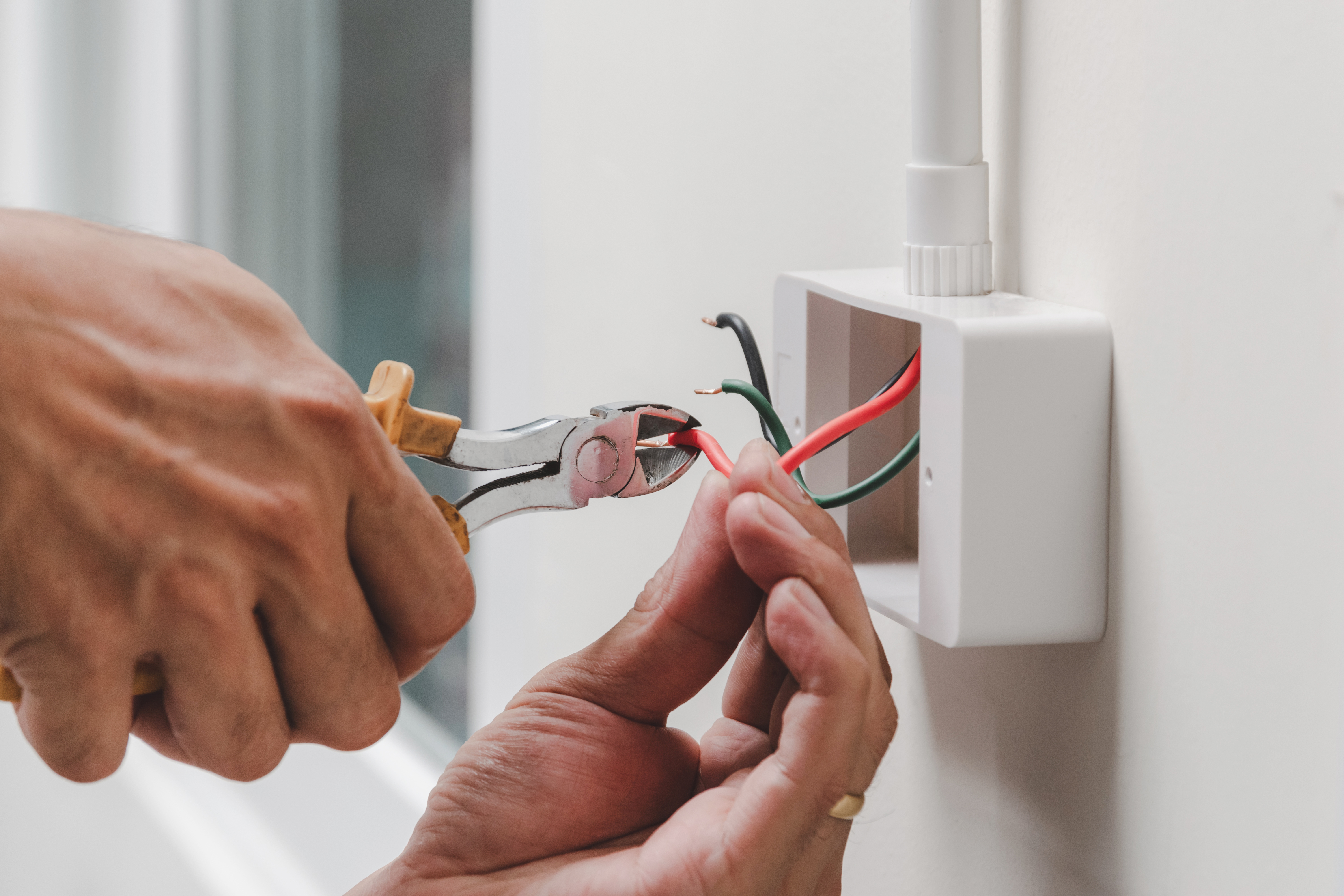
Doorbell wiring is a project you can DIY. This guide covers everything you need to know, from different types of doorbells to wiring, and how to remove an old doorbell.
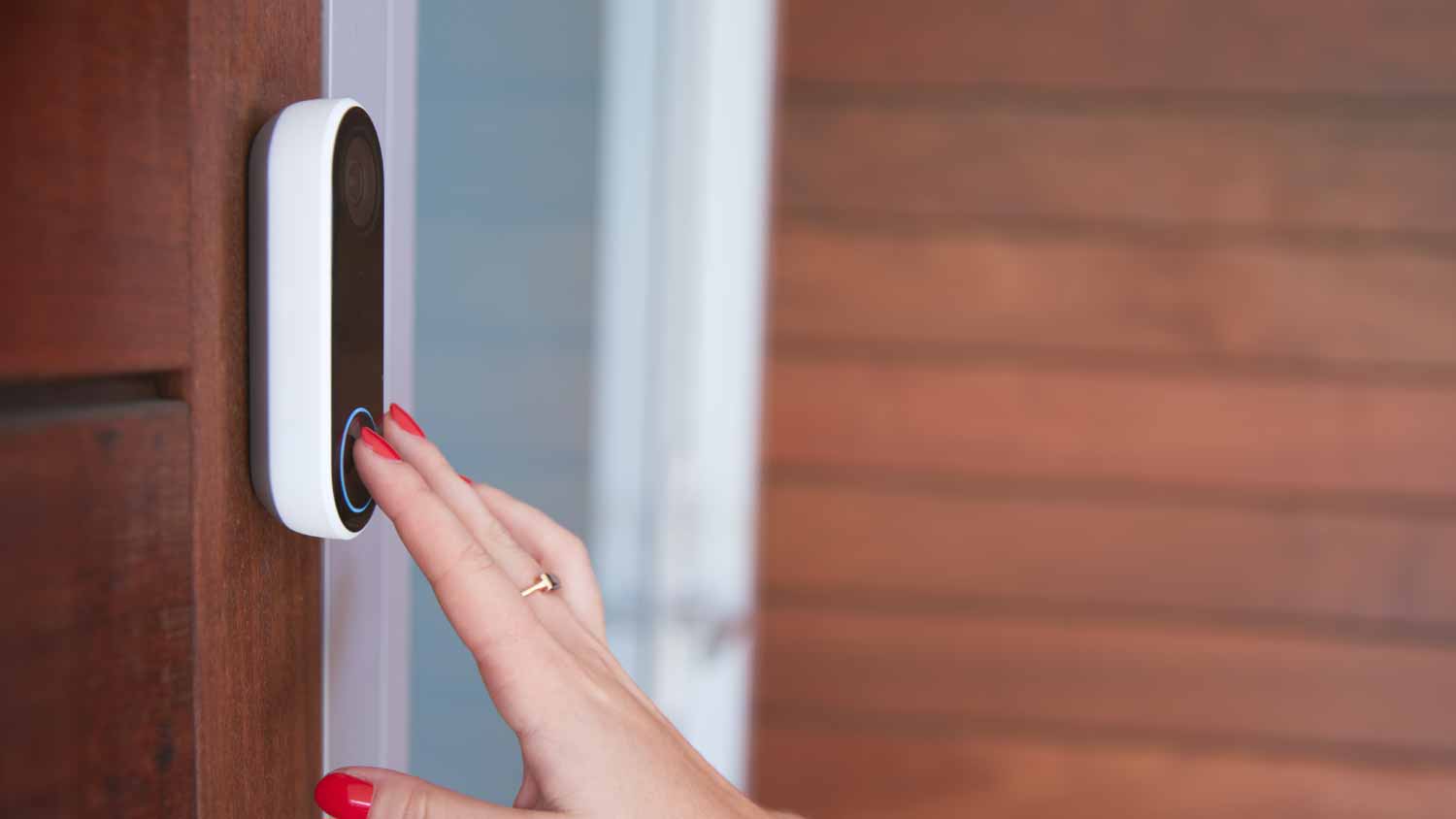
Learn how to install a doorbell camera—whether it’s wired or wireless—with this guide. Know the steps so you can decide whether to DIY the job or hire a pro.