



Top-rated radon detection and reduction specialists.

Get matched with top radon detection and reduction specialists in Molt, MT

Enter your zip and get matched with up to 5 pros

Need a pro for your radon detection and reduction project in Molt, MT?

Select your specific project to find the pro for you.

Find Radon detection and reduction specialists in Molt

Avatar for Yellowstone Radon
Yellowstone Radon
5.0(
4
)
Radon Gas - AbatementRadon Gas - Testing

Serving Molt, MT and surrounding areas

In business since 2020

Free estimates

Credit card accepted

"These guys were awesome! Very professional and took pride in their work. They understood our time crunch to get this project done and made it happen! Would use then again in a heartbeat"
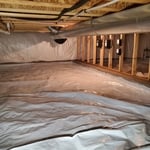
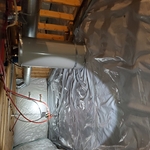
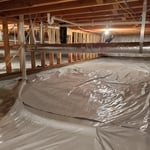
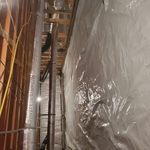
Sub Membrane system
Sub Membrane system
Sub Membrane system
Sub Membrane system
Fan Installations

+9

Response time6 days
Recommended by100%of homeowners
Kamps Squared Home Inspections, LLC
5.0(
1
)
Radon Gas - Testing

Serving Molt, MT and surrounding areas

In business since 2021

Free estimates

Offers commercial services

Kamps Squared Home Inspections, LLC is dedicated to providing our customers with the best quality and craftsmanship. We are here to build relationships with our customers and communities and to provide our employees with a great place to work. Our pledge is to create successful relationships with our customers, employees and community by building trust, treating every project with the utmost integrity and exceeding expectations

Response time3 hrs
Radon Detection and Reduction questions, answered by experts

Use a radon test kit or hire professionals to conduct a detailed assessment of radon levels in your home.

The cost to replace a radon fan ranges from $300 to $600 for the fan itself, with installation adding an additional $200 to $500. Overall, the total cost for replacement can range from $500 to $1,100, depending on factors such as the fan model, home size, and local labor rates. If the fan is part of a larger radon mitigation system, the price may be higher.

No level of radon is technically safe, but since it is present everywhere, complete avoidance is impossible. The average radon level in homes across the United States is 1.3 picocuries per liter (pCi/L). The Environmental Protection Agency (EPA) recommends taking preventative measures if your home's radon levels are between 2 and 4 pCi/L or higher.

The natural breakdown of uranium in soil, rock, and water can cause radon to appear in a home. The gas seeps into homes through cracks in foundations, walls, or floors, as well as through gaps around pipes or construction joints. Radon levels are influenced by soil composition, building materials, and ventilation. Poorly sealed or airtight homes can trap radon, allowing it to accumulate.

The average radon mitigation system uses about 876 kWh of electricity per year, although the exact amount of electricity used will vary depending on the size of the radon fan. Once the system is installed, the annual increase to your energy bill could range from $30 to $300 per year, again depending on the size of the fan.

The Molt, MT homeowners’ guide to radon detection and reduction services

From average costs to expert advice, get all the answers you need to get your job done.