



Top-rated mulch and topsoil pros.

Get matched with top mulch and topsoil pros in Bigfork, MT

Enter your zip and get matched with up to 5 pros

Need a pro for your mulch and topsoil service project in Bigfork, MT?

Select your specific project to find the pro for you.

Find Mulch and topsoil pros in Bigfork

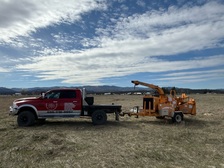
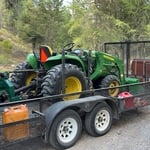
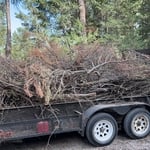
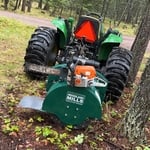
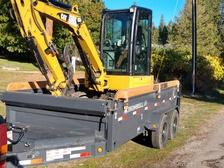
Smith Creek Contractors
New to Angi
Landscape - Soil, Sand, Mulch and Rock DeliveryLandscape - Soil, Sand, Mulch and Rock Delivery - For BusinessLawn Care - Maintain and Mow a Lawn

Serving Bigfork, MT and surrounding areas

Approved

At Smith Creek Contractors we pride ourselves with the ability to serve our neighbors of Northwest Montana with pride in our work. Our true “Good Ole Boy” Attitude matched with years of experience and partnership with fellow contractors throughout all trades, created a business every customer deserves. We are here to deliver. \n

Showing 1-10 of 49
Mulch and Topsoil questions, answered by experts

Since the nature of the landscaping project can heavily influence the overall cost, it helps to understand what different types of landscaping projects cost on average. For example:

  • Plant a tree: $100–$2,000

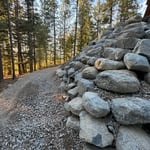
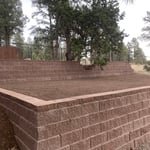
  • Build a retaining wall: $3,250–$9,200

  • Reseed a lawn: $450–$1,700

  • Install a water fountain: $950–$4,800

  • Install a paver patio: $2,400–$7,000

  • Install a concrete walkway: $1,200–$2,400

  • Install a flower bed: $800–$3,000

  • Landscape lighting: $2,000–$6,000

A light layer of mulch can help protect a tree, retain moisture, and keep the soil healthy. However, it’s important to avoid over-mulching or piling the mulch up around the trunk of a tree, a practice notoriously called “volcano mulching.” That piled mulch can increase the chances of rot and disease on the tree trunk as well as overwhelming the soil, which needs access to a certain amount of air. Topped trees have it hard enough: mulch sparingly while they heal.

You can fill the holes weeds leave behind with soil or sand to avoid unsightly spots or tripping hazards. If you remove weeds from a grassy area, fill the hole with soil and grass seed, and water regularly to promote grass growth.

The amount of soil you’ll need around your foundation depends on a variety of factors, but in general, you want a 6-inch decline over the first 10 feet extending out from your foundation. How much soil it will take to achieve that will depend on the current grade of the yard, how much foundation is exposed, and the size of your home.

Among the most common types of gravel are pea gravel, crushed stone, marble chips, jersey shore gravel, and base gravel. Gravel has different densities depending on whether it’s wet or dry or mixed with sand.

The Bigfork, MT homeowners’ guide to mulch and topsoil services

From average costs to expert advice, get all the answers you need to get your job done.