"He was able to quickly diagnose that the water leak from the water heater was a result of a ruptured tank, resulting in the need to replace the entire water heater."
Action Plumbing Plus, Inc.,where experience counts.. No project is to big or to small. We look to working with you soon. Call Action Plumbing Plus today. Customer Satisfaction is our goal.
Planetary Systems has been designing and installing renewable energy systems since 1994, and has over 1600 operational systems from .5kw to 22kw, worldwide. We have always been and remain committed to tested and reliable, yet cutting edge technologies to advance local power generation capabilities. We firmly believe all electrical power should be locally generated and using as much energy as practically feasible from wind, solar, hydro-electric and other renewable sources.
\n Planetary Systems offers our own battery technology, integrated power solutions, and the best available products available in the world marketplace.
\n
\nOur offerings are based on value-added products, not bargain basement prices, and include complete testing, design and integration of systems plus expert technical assistance.
We believe setting the correct expectations. Being a 'nuts and bolts' company we don't maintain a store front. We would rather pass the financial savings on to you, giving our undivided attention.
\n
If you dream it, we can build it. What's the biggest difference between us and them? We build to last! We offer a full line of Green and Energy Star Certified products, backed by our labor and manufacturer's lifetime transferable warranties. Credit Cards Welcome Financing Available OAC.
We take great pride in our experience, expertise, quality, and customer service that we provide to meet the consumers needs. It is our mission to provide excellent workmanship and complete customer satisfaction from start to completion of a project. In order to understand the needs and expectations of our customers, we take great care to work and communicate with every customer.
\n
\n
Any item that can hold on to moisture and encourage mold growth should be discarded and replaced following water damage. Upholstered items, such as armchairs and couches, and soft items, such as mattresses, usually must be thrown away once they've taken on a lot of water. Soft furniture is difficult to dry out, creating an inviting environment for mold.
You may also need to replace hardwood furniture following water damage if you're unable to fully dry it out. If you have appliances and electronics that have been fully submerged in water, particularly sewage, you'll need to replace those, too.
The average cost to install a new water heater is approximately $1,300, with a typical price range between $880 and $1,800. The final cost depends on several factors, including the type and size of the unit, its location and accessibility, and the amount of labor required. For example, installing a unit in a tight space like a crawl space can increase labor costs. The type of water heater significantly impacts the price: while a conventional gas heater might cost less than $1,000, tankless models can cost around $2,600 to install (and up to $3,500), and solar heaters can cost upwards of $3,700. Other factors that can affect the total price include the fuel type, vent system requirements, permits, and whether any additional plumbing work or repairs from previous water heater damage are needed.
If you have a tank-type electric water heater, it runs regularly to keep the water at the desired temperature. If you live in a home where you don’t use much hot water, it could seem wasteful to run power to heat water that you’re using infrequently. You could save some power by using a smaller tank, insulating the tank, or lowering the temperature of the water heater.
The lifespan of a water heater depends on its type, usage, and maintenance schedule. Traditional tank-style water heaters typically last between 8 and 12 years, though the range can be as wide as 6 to 15 years. Within this category, gas models often last 8-12 years, while electric models may last 10-15 years. In contrast, tankless water heaters have a significantly longer lifespan, often lasting up to 20 years or more. Factors like heavy usage, hard water, and sediment buildup can shorten a unit's life. To extend its lifespan, it is crucial to perform regular maintenance, such as flushing the tank annually and scheduling professional inspections. If your unit is over a decade old and shows signs of rust, leaks, strange noises, or inconsistent heating, it is likely time for a replacement.
Tankless water heaters heat water as it passes through the unit instead of storing heated water in the tank. Their ability to produce hot water on an as-needed basis makes them more efficient. However, they are generally more expensive than traditional units. Is a tankless water heater worth it? Most homeowners will save money with a tankless unit in the long run by using less energy.
The Big Sandy, MT homeowners’ guide to water heater services
From average costs to expert advice, get all the answers you need to get your job done.
A water heater flush costs $160 on average but can vary based on the unit size, type, labor, location, and more. Keep reading to learn how much you could pay.
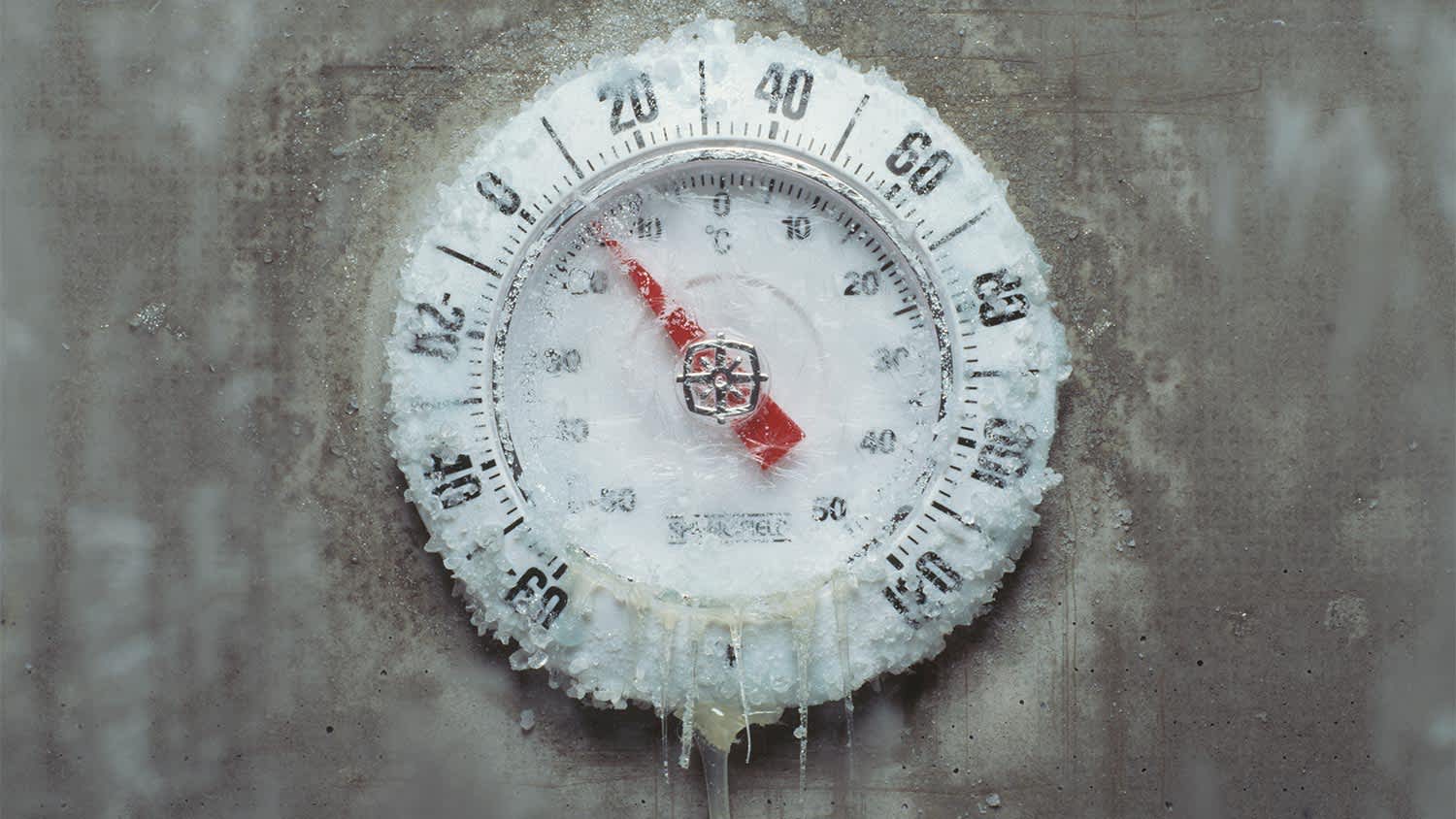
Worried your water heater might freeze this winter? Learn to spot the warning signs and how to safely thaw your tank or tankless system out if necessary.
Hybrid water heaters will have you weighing high initial costs versus long-term savings. Is it the right option for you? Explore the pros and cons of hybrid water heaters.
The average lifespan of water heaters is 6 to 15 years for conventional models and up to 20 for tankless ones, but it can be less if they are not properly maintained.