




Top-rated generator install pros.

Get matched with top generator install pros in Vicksburg, MS

Enter your zip and get matched with up to 5 pros

Need a pro for your generator install project in Vicksburg, MS?

Select your specific project to find the pro for you.

Find Generator install pros in Vicksburg

Avatar for AKM Air Solutions
AKM Air Solutions
5.0(
60
)
Fixed Generator - Install

Serving Vicksburg, MS and surrounding areas

Approved

In business since 2010

Free estimates

Emergency services offered

"Completely professional and exceptional customer service. The guys came out the same day we called and assessed the issue we had. The very next morning they arrived with all materials to do a complete system install. The guys didn't leave until the job was done. Cleaned up so well you wouldn't have known they were even here. AKM is top notch. You're not going to find a better company with amazing prices, work ethic, and customer service. We are super satisfied!"
RHEEM
Duct Cleaning
Rotobrush
SAVE
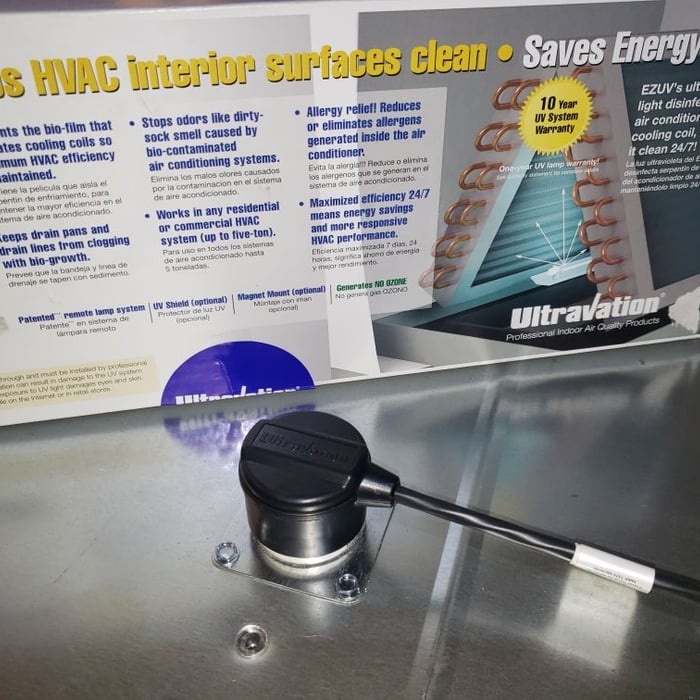
UV Lights

+9

Response time9 hrs
9 neighbors recently requested a quote
Recommended by98%of homeowners
Avatar for MCCASKILL HEATING AND AIR LLC
MCCASKILL HEATING AND AIR LLC
5.0(
4
)
Fixed Generator - InstallGenerator - Install - For BusinessPortable Generator - Install

Serving Vicksburg, MS and surrounding areas

In business since 2007

Free estimates

Credit card accepted

"After having my old unit go out I reached out to Mr. Mcaskill for his services. He and his crew were very professional and wasted not time installing a new unit and getting my house cooled down in a very short time frame. Very reliable service and reasonably priced compared to other quotes I got. Will be a lifetime customer and highly recommend to anyone looking for a/c or electrical services"
Response time7 hrs
Showing 1-10 of 22
Generator Install questions, answered by experts

Here’s what you can run with different wattages and types of generators:

Portable generator:

  • 2,000 watts can handle a large appliance like a freezer or refrigerator, plus a few smaller items like phones or computer chargers. 

  • 4,000 watts will keep two large appliances operating and a few smaller devices.

  • 8,000 watts should power most essential appliances and other devices, including a sump pump, well pump, or your dishwasher.

Partial to whole-house generator:

  • 20,000 watts and above will make it seem like your home’s power is still on.

Generally, you’ll want to keep between 60 and 70 feet between the generator and the transfer switch. There are a few reasons for this, including:

  • The distance reduces the noise coming from the generator into your home.

  • It increases efficiency because you won’t have a voltage drop from this short of a distance.

  • Prevents carbon monoxide poisoning: keep at least 15 feet between your generator and an open window. 

Potential benefits of using a natural gas generator include reducing your carbon footprint, lower likelihood of carbon monoxide exposure, budget-friendly operating costs, and low-maintenance, continuous fuel supply. Some possible drawbacks, though, include higher initial installation costs, dependency on a natural gas supply, and installation complexity. Keep in mind that pros and cons will vary based on the type and brand of natural gas generator. 

To determine the right size generator for your house, you should calculate the total wattage of the appliances and devices you want to power during an outage. List all essential items, note their start-up wattages, and add them together.

Here are some typical wattage requirements for common appliances:

  • Refrigerator: 600 watts

  • Large dehumidifier: 700 watts

  • Large window air conditioner: 1,400 watts

  • Water heater: 3,000 to 4,500 watts

  • Electric furnace: 5,000 to 25,000 watts

A 7,500-watt generator might be sufficient for essentials like a refrigerator, freezer, well pump, and lighting circuits. However, for high-demand items like a water heater or furnace, a whole-home generator is a better choice. A portable generator may be enough if you only need to power a few critical items.

While home square footage can offer a rough estimate, it is not always a reliable indicator. For reference, here are some typical generator sizes based on square footage:

  • 1,000 sq ft: 6–9 kW

  • 1,500 sq ft: 7–10 kW

  • 2,000 sq ft: 10–14 kW

  • 2,500 sq ft: 12–16 kW

  • 3,000 sq ft: 16–20 kW+

For the most accurate sizing, consult a professional who can calculate your home's peak and average power consumption and recommend the optimal generator.

You can determine what size generator you need for a transfer switch by matching the switch to the largest outlet on your generator. Larger generators can power up to 10 circuits, while most 5,000-watt generators can provide power to six circuits. So, if your generator’s largest outlet is 30 amps, you’ll need a 30-amp transfer switch.

The Vicksburg, MS homeowners’ guide to generator installs

From average costs to expert advice, get all the answers you need to get your job done.