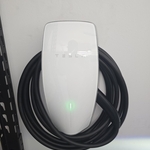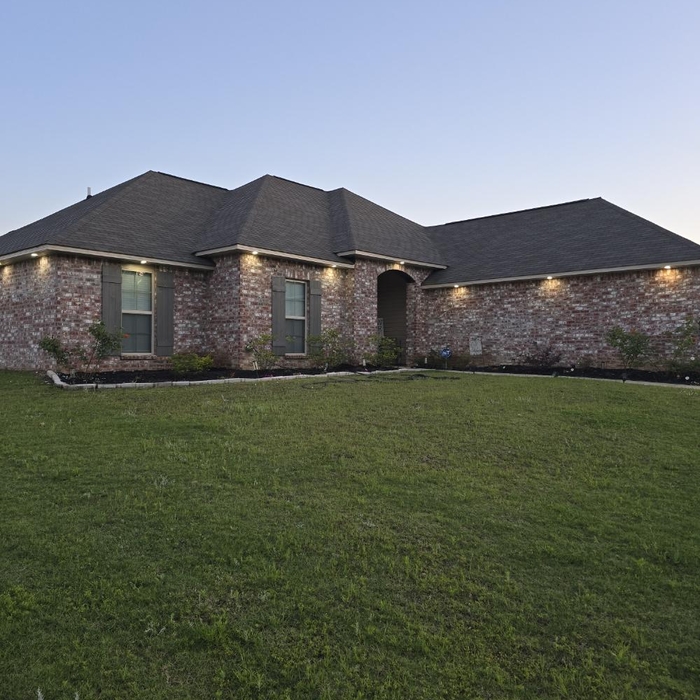


Top-rated generator install pros.

Get matched with top generator install pros in Bentonia, MS

Enter your zip and get matched with up to 5 pros

Need a pro for your generator install project in Bentonia, MS?

Select your specific project to find the pro for you.

Find Generator install pros in Bentonia

Generator Supercenter
4.0(
4
)
Fixed Generator - InstallGenerator - Install - For Business

Serving Bentonia, MS and surrounding areas

In business since 2022

Free estimates

Emergency services offered

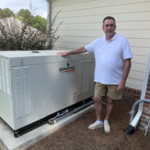
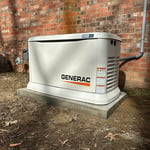
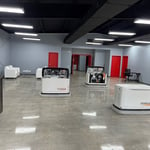
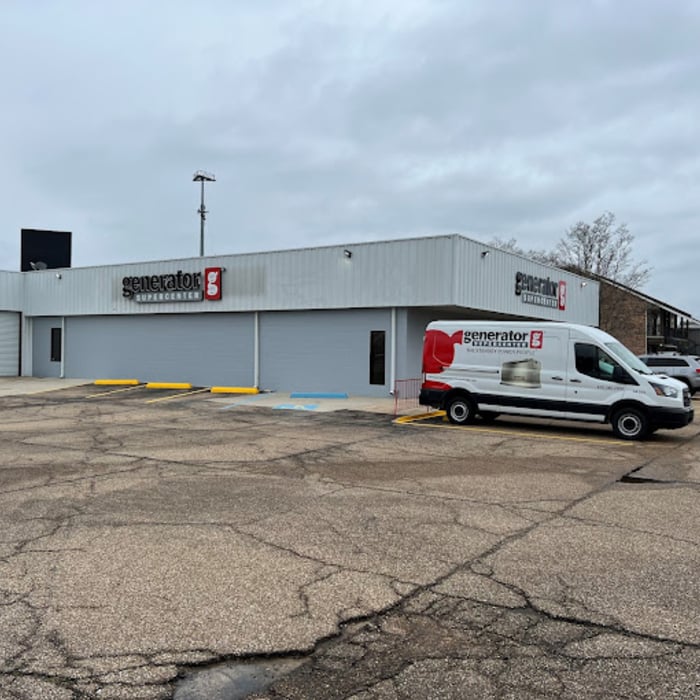
We are committed to excellence in every aspect of our business. We uphold a standard of integrity bound by fairness, honesty, and personal responsibility. Our distinction is the quality of service we bring to our customers. Above all, we are watchful of our customers' interests, and make their concerns the basis of our business. As a leader in whole house generators, our top-of-the-line Generac generators, along with our skilled technicians and electricians, effectively ensure that you’re never left in the dark. We service all of Louisiana, Alabama, Mississippi and Southern Arkansas through our network of brick and mortar stores. Please stop by the nearest one to you to speak with a generator expert.\n\nThe community of standby power consumers is conscientious about the safety and security of their families and businesses. At the same time, they appreciate the investment a whole house generator system brings to their property.

Our Projects
Our Projects
Our Projects
Our Projects
Our Projects

+2

Response time2 days
Response rate87%
Recommended by66%of homeowners
Showing 1-10 of 22
Generator Install questions, answered by experts

Generators run on a variety of fuel types, ranging from natural gas to solar power. Keep in mind that fuel costs varying by type:

  • Natural gas: $2,000–$21,000 per year 

  • Liquid propane: $2,000–$21,000 per year

  • Diesel: $3,000–$20,000 per year

  • Gasoline: $500–$3,000 per year

  • Solar generator: $2,000–$25,000 per unit

  • Battery backup: $10,000–$25,000 per unit

If your home already has a grinder pump and you’re still noticing issues (like frequently clogged toilets and sinks), it could be time to upgrade your grinder pump. Start by checking your existing horsepower. If there are four or fewer people living in your home, using a 1/2-horsepower grinder pump should be sufficient. Larger households should consider investing in a 1-horsepower grinder pump to maximize wastewater removal efforts.

Here’s what you can run with different wattages and types of generators:

Portable generator:

  • 2,000 watts can handle a large appliance like a freezer or refrigerator, plus a few smaller items like phones or computer chargers. 

  • 4,000 watts will keep two large appliances operating and a few smaller devices.

  • 8,000 watts should power most essential appliances and other devices, including a sump pump, well pump, or your dishwasher.

Partial to whole-house generator:

  • 20,000 watts and above will make it seem like your home’s power is still on.

To determine the right size generator for your house, you should calculate the total wattage of the appliances and devices you want to power during an outage. List all essential items, note their start-up wattages, and add them together.

Here are some typical wattage requirements for common appliances:

  • Refrigerator: 600 watts

  • Large dehumidifier: 700 watts

  • Large window air conditioner: 1,400 watts

  • Water heater: 3,000 to 4,500 watts

  • Electric furnace: 5,000 to 25,000 watts

A 7,500-watt generator might be sufficient for essentials like a refrigerator, freezer, well pump, and lighting circuits. However, for high-demand items like a water heater or furnace, a whole-home generator is a better choice. A portable generator may be enough if you only need to power a few critical items.

While home square footage can offer a rough estimate, it is not always a reliable indicator. For reference, here are some typical generator sizes based on square footage:

  • 1,000 sq ft: 6–9 kW

  • 1,500 sq ft: 7–10 kW

  • 2,000 sq ft: 10–14 kW

  • 2,500 sq ft: 12–16 kW

  • 3,000 sq ft: 16–20 kW+

For the most accurate sizing, consult a professional who can calculate your home's peak and average power consumption and recommend the optimal generator.

With proper maintenance, a whole-house generator can last between 20 and 40 years. The specific lifespan depends on how often and for how long the generator is used, and some models may have their life expectancy rated in hours of operation. To maximize its lifespan, expect to spend around $150 to $300 per year for annual maintenance checks from a qualified technician. During these checks, a technician will inspect the engine filter, starting mechanism, fuel, lubrication, and coolant levels. Consulting your installer and choosing a low-impact fuel like natural gas or diesel can also help ensure your generator lasts as long as possible.

The Bentonia, MS homeowners’ guide to generator installs

From average costs to expert advice, get all the answers you need to get your job done.