







Top-rated mulch and topsoil pros.

Get matched with top mulch and topsoil pros in Summit, MS

Enter your zip and get matched with up to 5 pros

Need a pro for your mulch and topsoil service project in Summit, MS?

Select your specific project to find the pro for you.

Find Mulch and topsoil pros in Summit

Avatar for EJD LAWNS
EJD LAWNS
5.0(
14
)
Lawn Care - Maintain and Mow a Lawn

Serving Summit, MS and surrounding areas

Approved

Super Service Award Winner

In business since 2021

Free estimates

Small jobs welcome

"More prompt than others when I made an inquiry about locating lawn care businesses. Very courteous and professional, and not pushy on the needs or the request and reasonably priced.."
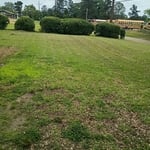
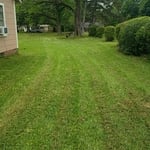
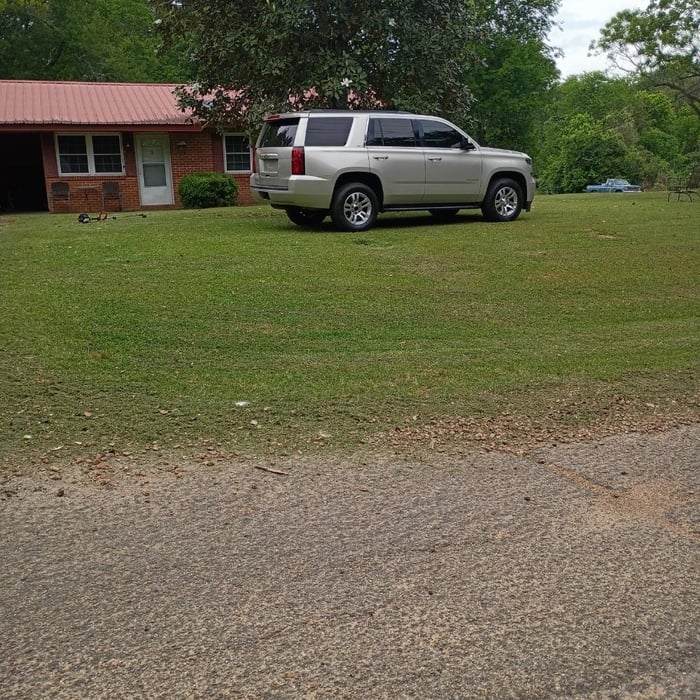
Lawncare
Lawncare
Lawncare
Lawncare
Lawncare

+65

Response time3 hrs
Response rate100%
4 neighbors recently requested a quote
...
Showing 1-10 of 103
Mulch and Topsoil questions, answered by experts

The best way to keep dirt around your foundation is to ensure your drainage is working properly and redirecting water well away from the foundation. Soil erosion is one of the most common causes of basement flooding, so it’s important to make sure you’re retaining the soil you replaced after learning how to regrade around the foundation. In addition, your foundation planting can also help prevent erosion. For example, plant roots to help keep soil in place.

The best time to lay mulch depends on the type of mulch and the reason for installing it: 

  • Summer: Adding extra mulch helps soil retain moisture and keeps weeds at bay, allowing plants to thrive. 

  • Fall: Adding mulch helps control weeds and keeps soil and roots warm during the cooler months. Aim to add a layer of mulch 2 to 4 inches deep.

  • Winter: Mulch around perennial plants to help keep them insulated.

  • Spring: Wait until the ground has thawed. Depending on the thickness, add between 1 and 4 inches of mulch to provide freeze and rain protection and enrich the soil.

The hydroseed mix—known as a slurry—helps grass seed take root in many ways. Water combines with the mulch, allowing the grass seed to stay moist while grounded in the soil. The extra fertilizer then provides the boost the seed needs to flourish. In just a few weeks, you'll be ready to break out the lawnmower again.

There are several reasons your grass may be dying that could be in or out of your control. The most common issues include poor drainage, under/overwatering, poor soil pH, low soil nutrients, low sunlight, or too much foot traffic.

Mulch costs anywhere from $30 to $150 per cubic yard, depending on several factors. On the lower end, common types like red and black mulch cost about $35 to $40 per cubic yard and are often made from recycled wood. More premium options like cedar, cypress, and rubber mulch can cost between $100 and $120 per cubic yard. The total cost is also influenced by delivery, which can be around $75 per cubic yard, though many companies provide a free estimate. It is generally cheaper to buy mulch in bulk and have it delivered, but buying it in bags may be more cost-effective for smaller areas. Other factors like the quantity you need, time of year, your geographical location, and professional installation will also affect the final price. Before getting quotes, it's a good idea to calculate how much mulch you need. A professional can help you determine the most suitable type for your landscaping needs.

The Summit, MS homeowners’ guide to mulch and topsoil services

From average costs to expert advice, get all the answers you need to get your job done.