





Top-rated plaster repair specialists.

Best plaster repair specialists near Saucier, MS

Enter your zip and get matched with up to 5 pros

Need a pro for your plaster repair project in Saucier, MS?

Select your specific project to find the pro for you.

TRUSTED BY SAUCIER, MS HOMEOWNERS

  • Average homeowner rating star icon4.2
    Average homeowner rating
  • Verified reviews icon86
    Verified plaster repairs reviews

Top-Rated Plaster repair specialists in Saucier - Updated Nov 2026

Avatar for AMB Plastering, Inc.
AMB Plastering, Inc.
4.7(
34
)
Plaster - RepairPlaster - InstallPlaster - Install - For Business+1 more

Serving Saucier, MS and surrounding areas

Approved

In business since 2013

Free estimates

Small jobs welcome

"AMB Plastering came out the day after I called to give me an estimate. The price was very reasonable and the job started immediately. There was a crew at my home from 7am to 6pm every day until the job was completed. In less than 2 weeks, the job was done. It looks wonderful, exceeded my expectations! Excellent communication and customer service. Very highly recommended."

All the jobs that we did

+280

Response time1 day
14 neighbors recently requested a quote
Recommended by97%of homeowners

Avatar for JBC NW CONSTRUCTION INC
JBC NW CONSTRUCTION INC
5.0(
5
)
Plaster - InstallPlaster - Install - For BusinessPlaster - Repair+1 more

Serving Saucier, MS and surrounding areas

In business since 2016

Free estimates

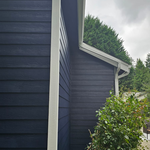
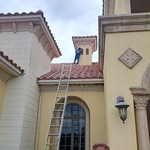
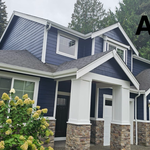
JBC NW CONSTRUCTION INC Is a Construction Company that will meet all your needs, For example Painting Interior and Exterior, Fencing, Drywall, Installing Bricks, and Framing.\n\nYou can also contact today at: 2392249706

Additional Photos
Additional Photos
Additional Photos
Additional Photos
Additional Photos

+5

Recommended by100%of homeowners
...
Showing 1-10 of 62
Plaster Repair FAQs, answered by experts

Whether you can install or repair plaster yourself depends on the project's size and your comfort level with DIY projects. It's possible to handle small repairs on your own, but for larger projects like a room restoration or a full installation, it's often best to hire a local plaster professional. The final appearance, even coverage, and durability of the plaster depend heavily on proper wall preparation and application. If you are not 100% confident in your ability to achieve a professional result, letting an expert handle the job is a worthwhile investment.

Smaller is better when patching holes with spackle. Any holes wider than four to six inches in diameter tend to be too wide to repair with spackle alone. You'll likely want to patch bigger holes with a drywall panel. 

Even holes measuring up to 6 inches may be challenging to fill with spackle alone. For best results, purchase a wall repair patch made from wire mesh. Cut the patch to fit over the hole, then use the spackle to hold it in place. Apply the spackle over the patch as you would for a smaller hole.

Although they have similar applications, spackle and joint compound are not the same. Their primary differences lie in their composition, consistency, and ideal use cases.

Spackle is composed of gypsum and binding agents, making it thicker than joint compound. It dries quickly and is easy to sand, which makes it ideal for small wall repair projects like filling nail holes or patching minor damage.

Joint compound, also known as drywall mud, consists of limestone and gypsum. It is primarily used for large-scale projects, such as taping and finishing the seams on newly installed drywall. It tends to shrink more than spackle and can be more difficult to spread.

While both products can be used to fill small depressions and cracks, spackle cannot replace joint compound for taping and mudding new drywall. Conversely, you can often use joint compound for small patching jobs typically done with spackle.

You can plaster over regular drywall, but it's essential to prepare the surface properly. Before plastering, the drywall should be clean, free of dust, and any loose or peeling paint should be removed. Applying a primer specifically designed for plastering can improve adhesion. Some professionals recommend applying a base coat of plaster or joint compound to create a better surface for the plaster to adhere to. Proper preparation ensures a smooth and durable plaster finish over regular drywall.

Plaster ceilings can sag for several reasons. In some cases, the plaster and other building materials shift and come apart over time, which is why you’ll commonly find drooping plaster ceilings in older homes. Improper installation, foot traffic, and water damage—often from a leaky roof or a broken pipe—can also cause plaster ceilings to sag.

The Saucier, MS homeowners’ guide to plaster repairs

From average costs to expert advice, get all the answers you need to get your job done.