



Top-rated arborists.

Get matched with top arborists in Philadelphia, MS

Enter your zip and get matched with up to 5 pros

Need a pro for your arboricultural service project in Philadelphia, MS?

Select your specific project to find the pro for you.

Find Arborists in Philadelphia

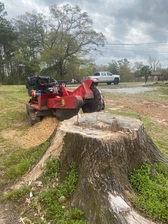
Avatar for Byrds Tree Services LLC - Home  Facebook
Byrds Tree Services LLC - Home Facebook
5.0(
8
)
Tree RemovalTree Removal - For BusinessTree Stump - Remove+5 more

Serving Philadelphia, MS and surrounding areas

In business since 2014

Free estimates

Emergency services offered

"Awesome job! Cut down 2 large trees near back of house with no problems. And removed limbs from large oak overhanging front of house. Very professional! Very reasonable price, timely service, and great job cleaning up!"
Response time1 day
Response rate87%
Recommended by100%of homeowners
Avatar for Allen Tree Service
Allen Tree Service
5.0(
2
)
Tree RemovalTree Removal - For BusinessTree Stump - Remove+5 more

Serving Philadelphia, MS and surrounding areas

In business since 2023

Free estimates

"This company was exceptional. They came out gave me an estimate and within a day they were on site working. The work was timely and all debris was nicely removed. They even raked and removed the leaves that fell from the cut trees."
Tree Service Project
Recommended by100%of homeowners
...
Showing 1-10 of 51
Arborists questions, answered by experts

If executed correctly your tree should survive after being transplanted to a new spot. However, effective transplanting requires six months, careful root pruning, safe transport to the new location, and replanting in prime soil conditions. You’ll also need an appropriately sized root ball for a complete tree transplant. A good rule of thumb is that, for every inch in diameter, your tree’s root ball needs to be around 11 inches. So a tree with a diameter of six inches needs a root ball of approximately 66 inches.

Aside from removing dead or diseased branches, you should prune your trees somewhere between every one and three years. Some people—particularly commercial farmers—prune their apple trees yearly to produce higher yields. This is the best way to promote tree health. That said, the average homeowner can get away with hard-pruning their mature apple tree every other year or every three years. 

While it’s best to have access to large, healthy, strong trees in a safe position, treehouse living is still possible without them. Contractors can fit tree posts to build the structure onto or use posts as additional support alongside the trees themselves. If you’re in doubt about the suitability of the trees on your land, consult with a local treehouse builder before you start the project.

There are several signs that may indicate a tree needs to be cut down. These include visible damage to the trunk or branches, a hollow trunk, extensive storm damage, or a significant lean to one side. Other warning signs are pest infestations or the tree growing too close to a house, power lines, or other structures. It is best to hire a professional arborist to inspect the tree, as they can determine if it can be saved or if removal is necessary.

If you ever want to see the literal fruits of your labor, you’ll need to prune your peach trees. Without pruning, the trees may not grow or bear fruit since the nutrients will be divided among too many offshoots to provide any with enough energy to produce the peaches. Plus, if parts of the peach tree become diseased or pest-ridden, pruning can nip those problems in the bud.

The Philadelphia, MS homeowners’ guide to arboricultural services

From average costs to expert advice, get all the answers you need to get your job done.