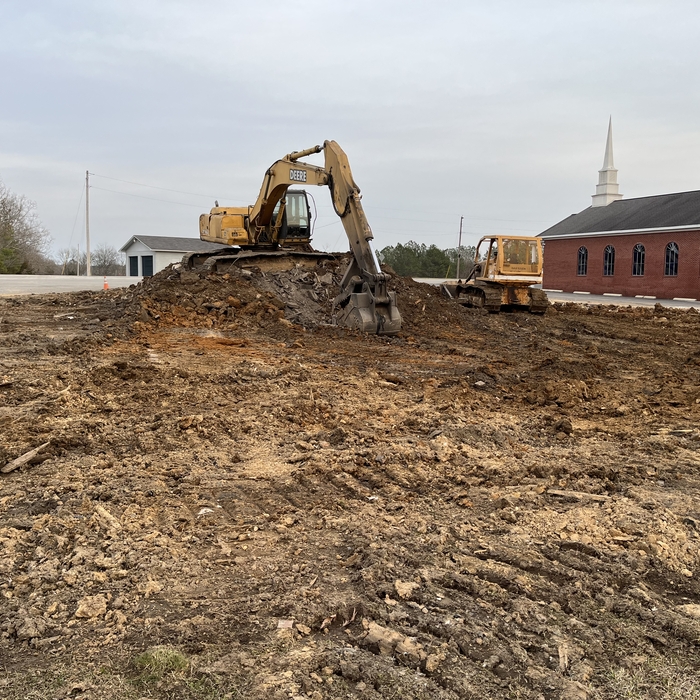






Top-rated excavation pros.

Best excavation pros near Farmington, MS

Enter your zip and get matched with up to 5 pros

Need a pro for your excavation project in Farmington, MS?

Select your specific project to find the pro for you.

Top-Rated Excavation pros in Farmington - Updated Nov 2026

Avatar for CB Mechanical
CB Mechanical
4.8(
30
)
Building Site - Preparation and ClearingBuilding Site - Preparation and Clearing - For Business

Serving Farmington, MS and surrounding areas

Approved

Super Service Award Winner

In business since 2019

Free estimates

Emergency services offered

"CB Mechanical provided exceptional service. The staff provided a level of friendliness that made me feel as though my time spent on the repairs was time spent with old friends. Charlie provided a lot of detail to his work and even double checked the repairs before completing the job. I feel as though the quality and low pricing makes them a top choice for my household. I promise you wonâ t be disappointed!"
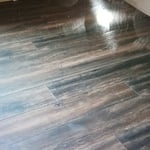
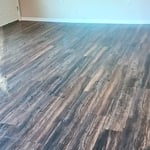
Installing wood flooring
Installed wood flooring
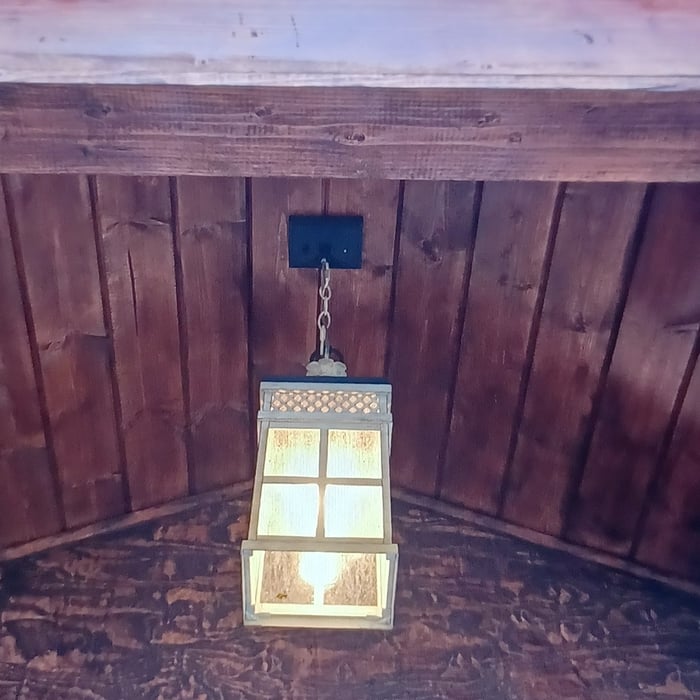
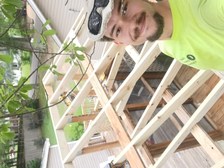
Remodeled a porch
Remodeled a porch
Remodeled a porch

+62

Response time1 day
9 neighbors recently requested a quote
Recommended by65%of homeowners

VVM Earthworks
New to Angi
Building Site - Preparation and ClearingExcavation - Major Grading or ReslopingLandscape - Minor Grading or Resloping

Serving Farmington, MS and surrounding areas

Approved

In business since 2018

Free estimates

VVM Earthworks, proudly serves our customers with pride, integrity, and attention to the details that matter most to you. This is one of the many things that sets us apart from the rest. We leave customers happy and give them a part of us of what we are proud too do.



Roberts Paving & Construction, LLP
1.0(
1
)
Excavation - Major Grading or Resloping

Serving Farmington, MS and surrounding areas

Approved

In business since 1965

Free estimates

Credit card accepted

We invite you to experience a tradition of customer satisfaction that will exceed your greatest expectations. Our professionalism and quality workmanship will accurately reflect your taste and lifestyle. From conception to completion, we work with you until the job is done. We are ethical, honest, and easy to communicate with. \n \nCall us today you'll be pleased you did. Thank you

1 neighbors recently requested a quote
...
Showing 1-10 of 61
Excavating FAQs, answered by experts

Yes, you can technically make a crawl space liveable, but the only way to do so is by converting it into a basement. While some crawl spaces are big enough to walk through and store large items, they lack appropriate insulation and space to be liveable.

Concrete blocks are the cheapest way to base a shed. However, the space in between allows critters to go under, burrow, and even damage your shed’s frame. For a more pest-proof option, consider building a shed base with gravel or paver stones. Both options are fairly affordable and easy enough for a DIY project. For gravel, you can build a wooden frame to contain the loose material.

There is no standard depth for burying a septic tank; they are typically buried anywhere from 4 inches to 4 feet underground. The final depth depends on several factors, including the depth of your main sewer line, the height of the bedrock, soil type, local regulations, and the property's landscape. If you plan to grow grass or plants over the tank, a depth of at least 4 to 6 inches is recommended. Deeper tanks can be more difficult to locate, but a septic professional can help find it for you.

Digging a bush up by the roots is the most natural DIY method for removing a bush stump. Start by identifying the shrub type and revealing its roots. Cut the shrub to its base and loosen the soil, ensuring no utility lines are nearby. Optionally, treat the base with herbicide, then dig around the roots and cut a circle around the shrub using various tools. Dig a trench, cut the base of the root ball, and finally fill the hole to prevent regrowth. This thorough process ensures complete removal without damaging surrounding areas.

Septic drain lines (or leach lines) are typically buried between 18 and 36 inches underground, and should be at least 6 inches below the surface. These pipes are perforated and surrounded by filtering materials like sand or gravel. Burying the lines at this depth helps minimize odors and allows bacteria and other biological processes in the soil to effectively treat the wastewater. Burying lines too close to the surface can cause issues unless the soil is very compact and stable.

The Farmington, MS homeowners’ guide to excavation services

From average costs to expert advice, get all the answers you need to get your job done.