



Top-rated excavation pros.

Get matched with top excavation pros in Savannah, TN

Enter your zip and get matched with up to 5 pros

Need a pro for your excavation project in Savannah, TN?

Select your specific project to find the pro for you.

Find Excavation pros in Savannah

VVM Earthworks
New to Angi
Building Site - Preparation and ClearingExcavation - Major Grading or ReslopingLandscape - Minor Grading or Resloping

Serving Savannah, TN and surrounding areas

Approved

In business since 2018

Free estimates

VVM Earthworks, proudly serves our customers with pride, integrity, and attention to the details that matter most to you. This is one of the many things that sets us apart from the rest. We leave customers happy and give them a part of us of what we are proud too do.

Avatar for Collinwood Excavation & Communications
Collinwood Excavation & Communications
4.5(
17
)
Building Site - Preparation and ClearingBuilding Site - Preparation and Clearing - For BusinessExcavation - Major Grading or Resloping+1 more

Serving Savannah, TN and surrounding areas

In business since 2006

Free estimates

Credit card accepted

"They did a lot of work for us, tearing down an old barn and mobile home, bush hogging a couple of acres and part of our woods; and refurbishing our driveway. They did a great job, my only disappointment was they didnâ t get all the junk removed, but overall Iâ m happy with their work."
Response time1 day
Response rate85%
Recommended by92%of homeowners
Avatar for BCB Farms
BCB Farms
5.0(
7
)
Building Site - Preparation and ClearingBuilding Site - Preparation and Clearing - For BusinessExcavation - Major Grading or Resloping+1 more

Serving Savannah, TN and surrounding areas

In business since 2010

Free estimates

Emergency services offered

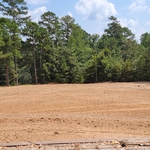
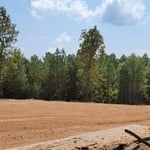
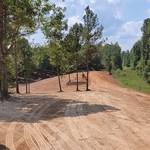
"I have never felt so comfortable working with any other company I have ever hired for any kind of work. Fantastic people, honest, great work. We will hire BCB anytime we need excavating or land maintenance work. As a previous reviewer; we met them on-site of our land to go over the plans. A couple months later Cassie called us. They sent pictures each day of the work and we live 700 miles away. Looking forward to a long relationship."
Finished
Finished
Finished
Near done
Before

+8

Response time2 days
Recommended by100%of homeowners
...
Showing 1-10 of 56
Excavating questions, answered by experts

Septic drain lines (or leach lines) are typically buried between 18 and 36 inches underground, and should be at least 6 inches below the surface. These pipes are perforated and surrounded by filtering materials like sand or gravel. Burying the lines at this depth helps minimize odors and allows bacteria and other biological processes in the soil to effectively treat the wastewater. Burying lines too close to the surface can cause issues unless the soil is very compact and stable.

It can take several weeks for the ground to settle after removing a tree, and the soil under larger, more mature trees can take months. The deeper the tree has been ground under the soil, the longer it will take to settle. However, this extra depth can help you plant new landscaping sooner because you’ll have more space for fresh soil.

The best method for digging a trench depends on the scope of the project. For a short, shallow trench (less than 2 feet deep) in light, soft soil, digging by hand may be sufficient. However, digging by hand is labor-intensive, so consider the effort required. A machine trencher is the better option for longer trenches (over 100 feet), deeper ones, or when dealing with difficult soil conditions, such as rocky or hard ground, or obstructions like tree roots. A machine can save significant time and energy in these situations.

Trenches are typically 12 to 24 inches deep and 8 inches wide. However, the required depth depends on the specific project and local ordinances. For example, a French drain may need to be 18 inches deep, while a water pipe might require a depth of 24 inches and a drainage pipe 36 inches. Your city or county may have specific regulations, so it's wise to consult with an excavation professional to determine the correct depth for your project.

The best type of soil to build on is a mixture of sand and clay, known as loam soil. Loam soil has the best combination of these soil types to build a foundation on. The clay particles help with water retention, so it won’t erode like sandy soil might, and the sandy particles help with drainage, so you won’t see unsafe soil expansion or have an increased risk of leaks from water sitting against your foundation.

The Savannah, TN homeowners’ guide to excavation services

From average costs to expert advice, get all the answers you need to get your job done.