






Top-rated excavation pros.

Get matched with top excavation pros in Belmont, MS

Enter your zip and get matched with up to 5 pros

Need a pro for your excavation project in Belmont, MS?

Select your specific project to find the pro for you.

Find Excavation pros in Belmont

Avatar for CB Mechanical
CB Mechanical
4.8(
30
)
Building Site - Preparation and ClearingBuilding Site - Preparation and Clearing - For Business

Serving Belmont, MS and surrounding areas

Approved

Super Service Award Winner

In business since 2019

Free estimates

Emergency services offered

"Two commodes were backing up with slow drains and kitchen sink began gurgling. I contacted Charlie to take a look at the job., he found a blockage in the main drain. He found a 24”x12” bag along with other debris stuffed in main drain. Plumbing works fine naw. Naval vet Charlie and his wife Angela ate determined and definitive pros that are determined to resolve an issue til completion Highly recommend these pros"
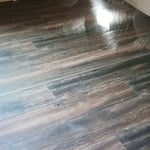
Installing wood flooring
Installed wood flooring
Remodeled a porch
Remodeled a porch
Remodeled a porch

+62

Response time1 day
3 neighbors recently requested a quote
Recommended by65%of homeowners

Roberts Paving & Construction, LLP
1.0(
1
)
Excavation - Major Grading or Resloping

Serving Belmont, MS and surrounding areas

Approved

In business since 1965

Free estimates

Credit card accepted

We invite you to experience a tradition of customer satisfaction that will exceed your greatest expectations. Our professionalism and quality workmanship will accurately reflect your taste and lifestyle. From conception to completion, we work with you until the job is done. We are ethical, honest, and easy to communicate with. \n\nCall us today you'll be pleased you did. Thank you

Avatar for The Old Anvil
The Old Anvil
5.0(
4
)
Building Site - Preparation and ClearingBuilding Site - Preparation and Clearing - For BusinessExcavation - Major Grading or Resloping+2 more

Serving Belmont, MS and surrounding areas

In business since 2024

Credit card accepted

"Noah is a very professional young man that has a great understanding on how to perfect a existing mechanical operation. We have also used him to design new electrical conveyors & sorters for the packing operation. lots of talent with this guy! Give him a shout."
Additional Photos
Additional Photos
Additional Photos
Additional Photos
Additional Photos

+8

Recommended by100%of homeowners
...
Showing 1-10 of 58
Excavating questions, answered by experts

The rules for trenching and excavation include setting up and following safety protocols, learning how to use tools and machines properly, and ensuring there is a safe exit for all workers. Keep heavy equipment and materials away from the edge of the hole or trench. Call the 811 dig line before starting any excavation or trenching project to ensure you don’t hit any electrical or gas lines.

Professional installers often include a deep layer of crushed gravel under permeable pavers to allow more runoff to soak through into the soil below. Many installations will include multiple layers of gravel, with coarser aggregate at the base and finer aggregate that sits on top of that bottom layer. Above the gravel, you’ll often find coarse sand that helps reduce paver shifting over time. Some permeable paver designs include a water collection system set into the gravel layer to route runoff to a safe area for disposal.

The physical constraints of hand-drilling a well limit the depth you can achieve. Manually digging with picks and shovels may only lead to shallow wells of up to 60 feet in depth. To reach greater depths, you need more specialized equipment. The diameter of your well and the tools you’re using will determine how far down you can dig.

A joint utility trench, or joint trench, is a long, buried ditch on a property that contains two or more utility lines rather than running the lines in multiple trenches. Some utilities, like gas and electric or electric and communication lines, are better suited to joint trenching, while others, like water and sewer, are not allowed to be in the same trench.

In the United States, a depth of 36 inches (three feet) for underground water lines is the accepted industry standard. This depth varies from location to location based on local conditions. In areas with colder winters, they may be buried deeper to prevent frozen well water pipes : This is usually at least six inches below the frost level. The International Plumbing Code calls for a minimum of 12 inches below grade.

The Belmont, MS homeowners’ guide to excavation services

From average costs to expert advice, get all the answers you need to get your job done.