


Top-rated excavation pros.

Get matched with top excavation pros in Jumpertown, MS

Enter your zip and get matched with up to 5 pros

Need a pro for your excavation project in Jumpertown, MS?

Select your specific project to find the pro for you.

Find Excavation pros in Jumpertown

Avatar for CB Mechanical
CB Mechanical
4.8(
30
)
Building Site - Preparation and ClearingBuilding Site - Preparation and Clearing - For Business

Serving Jumpertown, MS and surrounding areas

Approved

Super Service Award Winner

In business since 2019

Free estimates

Emergency services offered

"Two commodes were backing up with slow drains and kitchen sink began gurgling. I contacted Charlie to take a look at the job., he found a blockage in the main drain. He found a 24”x12” bag along with other debris stuffed in main drain. Plumbing works fine naw. Naval vet Charlie and his wife Angela ate determined and definitive pros that are determined to resolve an issue til completion Highly recommend these pros"
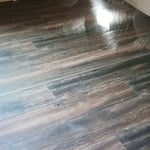
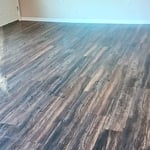
Installing wood flooring
Installed wood flooring
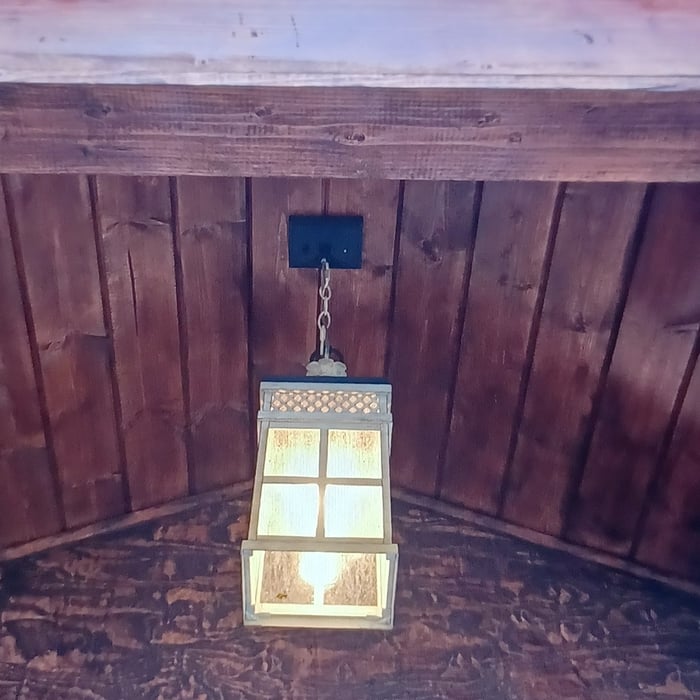
Remodeled a porch
Remodeled a porch
Remodeled a porch

+62

Response time1 day
4 neighbors recently requested a quote
Recommended by65%of homeowners
VVM Earthworks
New to Angi
Building Site - Preparation and ClearingExcavation - Major Grading or ReslopingLandscape - Minor Grading or Resloping

Serving Jumpertown, MS and surrounding areas

Approved

In business since 2018

Free estimates

VVM Earthworks, proudly serves our customers with pride, integrity, and attention to the details that matter most to you. This is one of the many things that sets us apart from the rest. We leave customers happy and give them a part of us of what we are proud too do.

Roberts Paving & Construction, LLP
1.0(
1
)
Excavation - Major Grading or Resloping

Serving Jumpertown, MS and surrounding areas

Approved

In business since 1965

Free estimates

Credit card accepted

We invite you to experience a tradition of customer satisfaction that will exceed your greatest expectations. Our professionalism and quality workmanship will accurately reflect your taste and lifestyle. From conception to completion, we work with you until the job is done. We are ethical, honest, and easy to communicate with. \n\nCall us today you'll be pleased you did. Thank you

...
Showing 1-10 of 67
Excavating questions, answered by experts

In the United States, a depth of 36 inches (three feet) for underground water lines is the accepted industry standard. This depth varies from location to location based on local conditions. In areas with colder winters, they may be buried deeper to prevent frozen well water pipes : This is usually at least six inches below the frost level. The International Plumbing Code calls for a minimum of 12 inches below grade.

The best way to protect tree roots is to avoid the roots entirely by excavating outside the root radius of the tree. For nearby projects, it’s a good idea to construct a temporary retaining wall. But that’s not always possible, depending on the project and the root system. In these cases, consider using alternative equipment like an auger to tunnel under the ground.

Remember, tree roots can damage nearby cement foundations as they grow. If a tree is close enough to interfere with large excavations, it may be better to remove the tree than risk future problems.

Directional drilling is complex and requires training to use the advanced machinery. It can be challenging to monitor the position of the drill since there’s no direct line of sight. Directional drilling can also be more expensive with a cost of $10 to $30 per linear foot compared to $5 to $12 per linear foot for trenching. 

We recommend removing the stump, and grinding is a popular way to do it. You can also dig out small stumps or stumps that have fully decayed instead of grinding them. However, don’t try using acids or fire for killing a tree stump, which is a fire hazard and illegal in many areas.

Leaving the stump alone invites eventual problems, including attracting termites, mold, and fungi.

Trenching and boring are two distinct methods for installing underground utilities. Trenching involves digging a channel using equipment like an excavator, trencher, backhoe, or shovel. While it is a simpler process, it causes significant disruption to the surface, landscaping, and surrounding ecosystems.

Boring, also known as directional boring, is a less invasive alternative that uses a drill to create a tunnel for utility lines without disturbing the surface. This method is more precise and is ideal for installations that need to go underneath buildings, roads, or bodies of water. Although boring is less disruptive, it is generally more expensive than trenching.

The Jumpertown, MS homeowners’ guide to excavation services

From average costs to expert advice, get all the answers you need to get your job done.