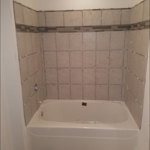
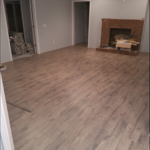
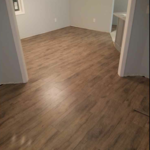
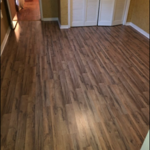
I have over 30 years experience in construction field. I can do everything from small repairs to frame a house. I also have experience in solar panels.
My name is Isaac I am 26 years old and I am a former Industrial Electrician for 2 years. I also supervised a grounds and maintenance team before my career as an electrician. I am very versatile and I am very rooted in my Christian beliefs and I look to offer good and honest hard work with exceptional craftsmanship. I look forward to taking your next project on!
"The floor in my Mom's house had settled and needed to be raised and leveled. Eric and his employees arrived on time and completed the project on time. They completed the project to our satisfaction and cleaned up the jobsite before they left. Due to the professionalism of Eric and his employees and the how they performed the work, we have requested additional quotes for other projects."
"Alex was the only one who was able to give a most likely scenario of how the rodents were getting into my attic. He was very professional, polite and personable. He closedoff with steel mesh the places to prevent them from getting back in. I will definitely hire him again for future projects."
Fire Pit Installation questions, answered by experts
Once your ashes have fully cooled, you can place them in a heavy-duty trash bag and put them into the bin with your normal trash. If you have wood ash, you can add the ash to your composting pile or sprinkle it over your grass or plants directly for added nutrients.
While your municipality may have its own regulations requiring pergolas or other structures to be a certain height above a fire pit, the standard recommendation is that the pergola should be at least 10 feet above the fire pit. A taller pergola allows the heat from the flames to dissipate before reaching the structure.
Installing a spark arrestor on your home’s chimney is an essential task. It reduces fire risk and ensures your chimney is compliant for insurance and building code purposes. Not having a spark arrestor could invalidate your home insurance or cause snags when it comes to a house sale.
Yes, you should seal and cap an unused chimney to protect it from damage. Sealing the structure helps prevent moisture damage, which can lead to issues like cracks, spalling, efflorescence, and damaged mortar joints. Capping the chimney is also crucial to prevent blockages, damage from invasive critters, and downdrafts, while still allowing for proper air ventilation to manage moisture. For the best results, consult a chimney professional to select the right type of chimney or flue cap for your home. It's also wise to continue with annual chimney inspections to maintain the structure's integrity.
According to the National Fire Protection Association, dryers and washing machines cause over 15,000 fires a year, with dryers causing about 92 percent of those fires. Because dryer fires are more common than you might think, it’s important to clear the lint trap regularly and have annual dryer vent cleanings.
The Decatur, MS homeowners’ guide to fire pit installation services
From average costs to expert advice, get all the answers you need to get your job done.
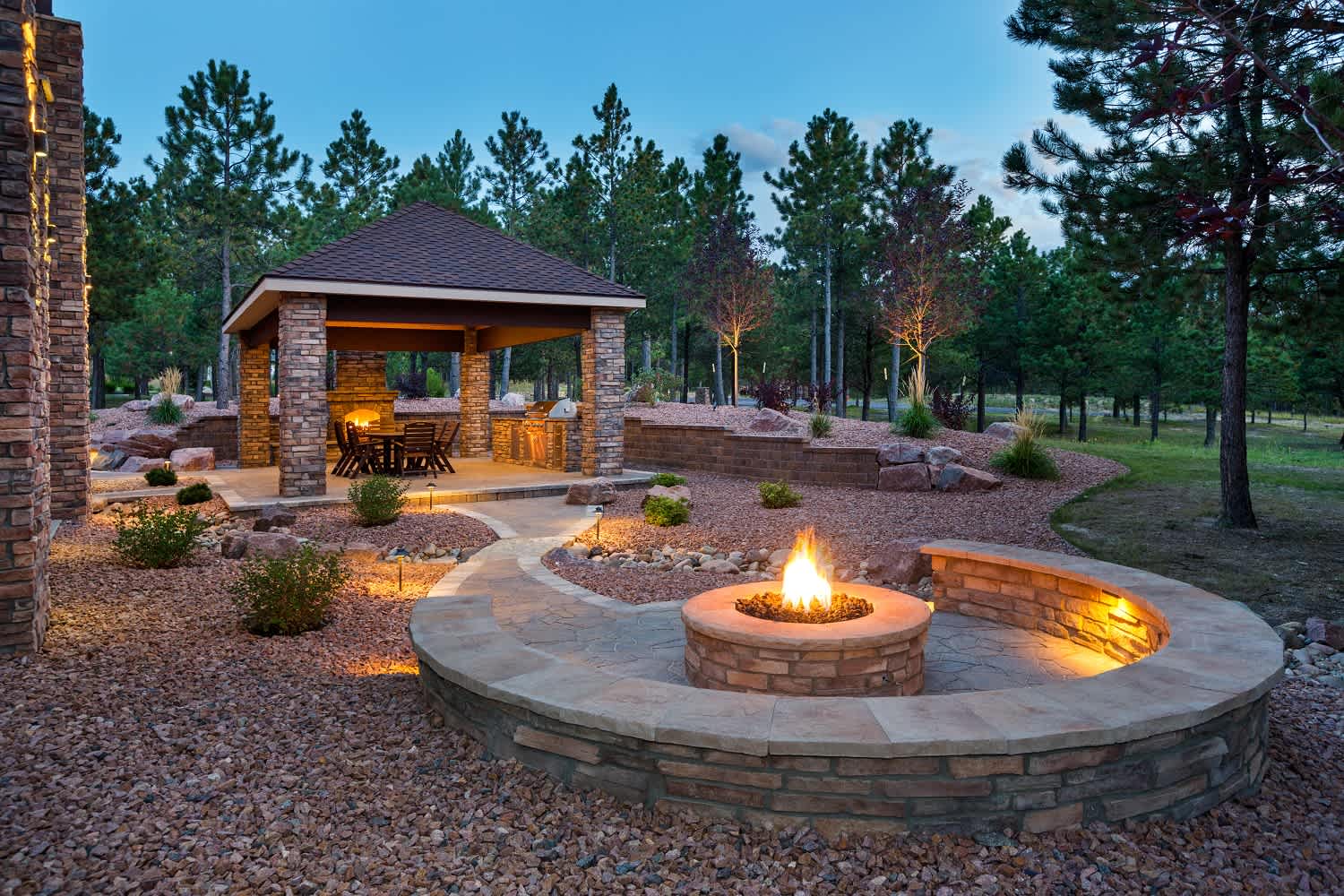
A fire pit installation costs $850 on average but can vary by size, fuel type, materials, and more. See how much you need to budget for a new fire pit.
Discover fire door cost data, including installation, materials, and tips to save. Learn what impacts fire door pricing and how to budget for your project.
Discover home fire sprinkler system costs, including installation, maintenance, and key cost factors. Learn how to budget and save on your home fire protection.
A fire pit adds attractive entertainment space to your backyard. Learn about standard fire pit dimensions and what factors contribute to fire pit size.
If you’re interested in buying a fire pit, you will likely be considering gas or wood. But what are the pros and cons of each? Find out if a gas or wood fire pit is right for you.