







Unfinished Carpentry questions, answered by experts
Bump-out additions can add some space to a closet without requiring any significant structural work. This entails pushing back the existing rear or side of the closet, simply moving the wall into either an adjacent room or unused space. For ground-floor closets, this could even be extended to the exterior of the home, but that has its own complications. Bump-outs are a good discussion to have with your contractor if you’re just looking to increase the space a little—not renovate the entire closet space.


When choosing a drywall anchor, consider the weight of the object you're hanging and how much weight the anchor will need to support. The heavier the weight, the stronger the anchor you'll need. You’ll find the weight capacity on the packaging when shopping for anchors.
Also, remember that you can use more than one anchor when hanging something on the wall. If you're using multiple anchors, divide the object weight by the number of anchors to determine how much each will need to support. If you need help deciding which drywall anchor to use, you can hire a handyperson to hang your objects.
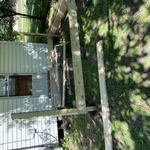
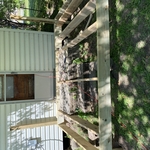
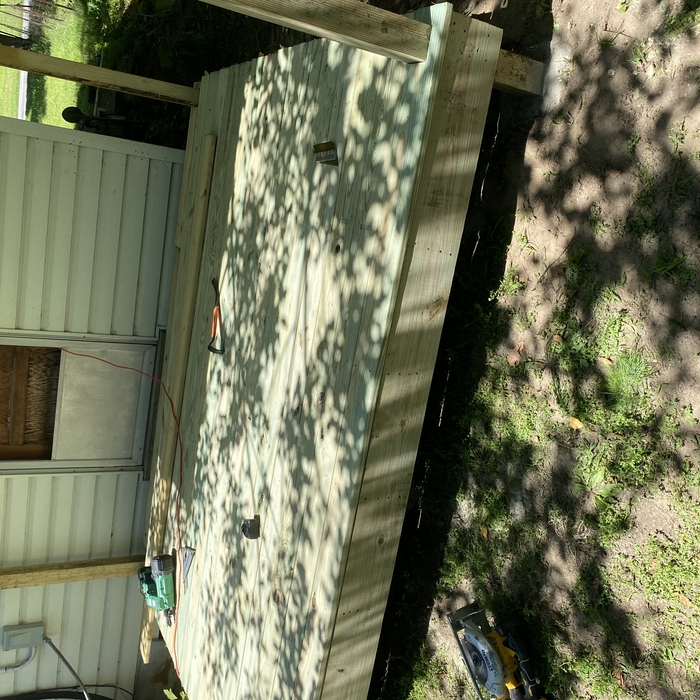
When deciding if you should use 2x6 or 2x8 deck joists, consider the size of the deck, joist spacing, and materials. Larger decks, larger-spaced joists, and weaker wood all require more support, meaning they need larger joists. For example, 2x8 redwood joists spaced 16 inches apart can only safely span up to 10 feet and 7 inches. On the other hand, 2x10 southern pine joists spaced 12 inches apart can be as big as 16 feet and 2 inches. If you aren’t sure what size joist is best for your project, speak with your deck builder.
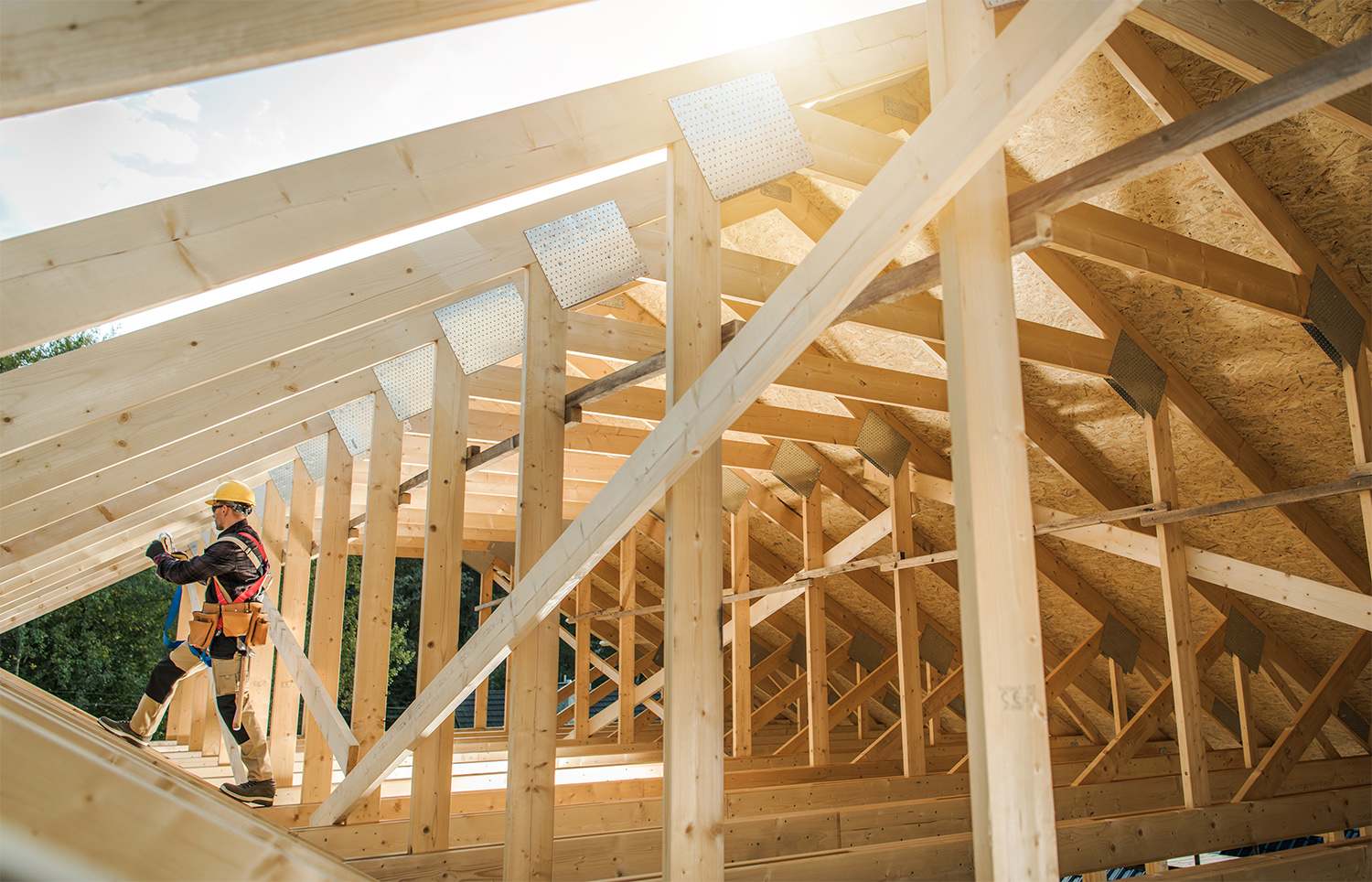
The primary parts of a house that need framing during construction are floors, exterior walls, interior walls, and the roof. The framing in these areas provides the skeleton for adding other materials over the top. With walls, for example, contractors can hang drywall over the interior walls and siding over the outside of the exterior walls. Proper framing ensures a sturdy house that is built to last.
Yes, ceiling joists are typically load-bearing. However, their primary function is to support the weight of the ceiling and loads applied to it, like lighting fixtures and ceiling fans. They can also help support the roof, especially if they’re part of truss systems. Remember, the load-bearing capacity of ceiling joists depends on the material, size, and space between them.
The Wappapello, MO homeowners’ guide to contractor services
From average costs to expert advice, get all the answers you need to get your job done.
When you’re tackling a project or hiring a contractor, it’s helpful to know key carpentry terms. From end grain to dovetail joints, here’s a complete list.
An unfinished basement is often the final frontier of home design. While the uses of other rooms are often preordained, the basement can be so many different things, from a playroom to a home office to a bar.