


Top-rated radon detection and reduction specialists.

Best radon detection and reduction specialists near Unionville, MO

Enter your zip and get matched with up to 5 pros

Need a pro for your radon detection and reduction project in Unionville, MO?

Select your specific project to find the pro for you.

Top-Rated Radon detection and reduction specialists in Unionville - Updated Nov 2026

Avatar for SWAT Environmental, Inc.
SWAT Environmental, Inc.
4.5(
52
)
Radon Gas - Abatement

Serving Unionville, MO and surrounding areas

In business since 1988

Free estimates

Credit card accepted

"I would definitely recommend this company to anyone!!! I hired them and the job was done nicely, Dan O'Brien was the technician who took care of the project and he did an excellent job, he answered all of my questions and explained to me everything related to Radon gas. When he finished setting everything up and the job was completed all the working area looked super clean and the installation looks just like it is part of the house and that has been there forever. This is what I call a Perfect and Complete execution of a Radon gas mitigation project."
Recommended by97%of homeowners
Radon Detection and Reduction FAQs, answered by experts

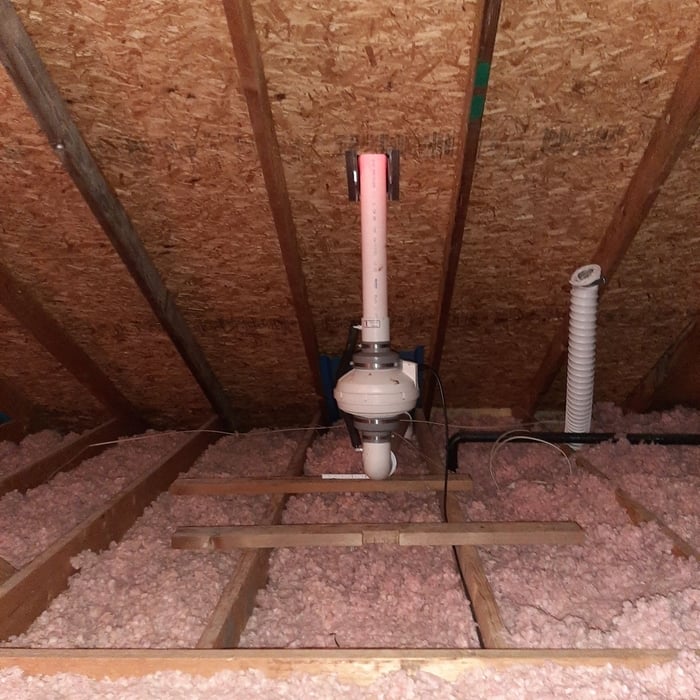
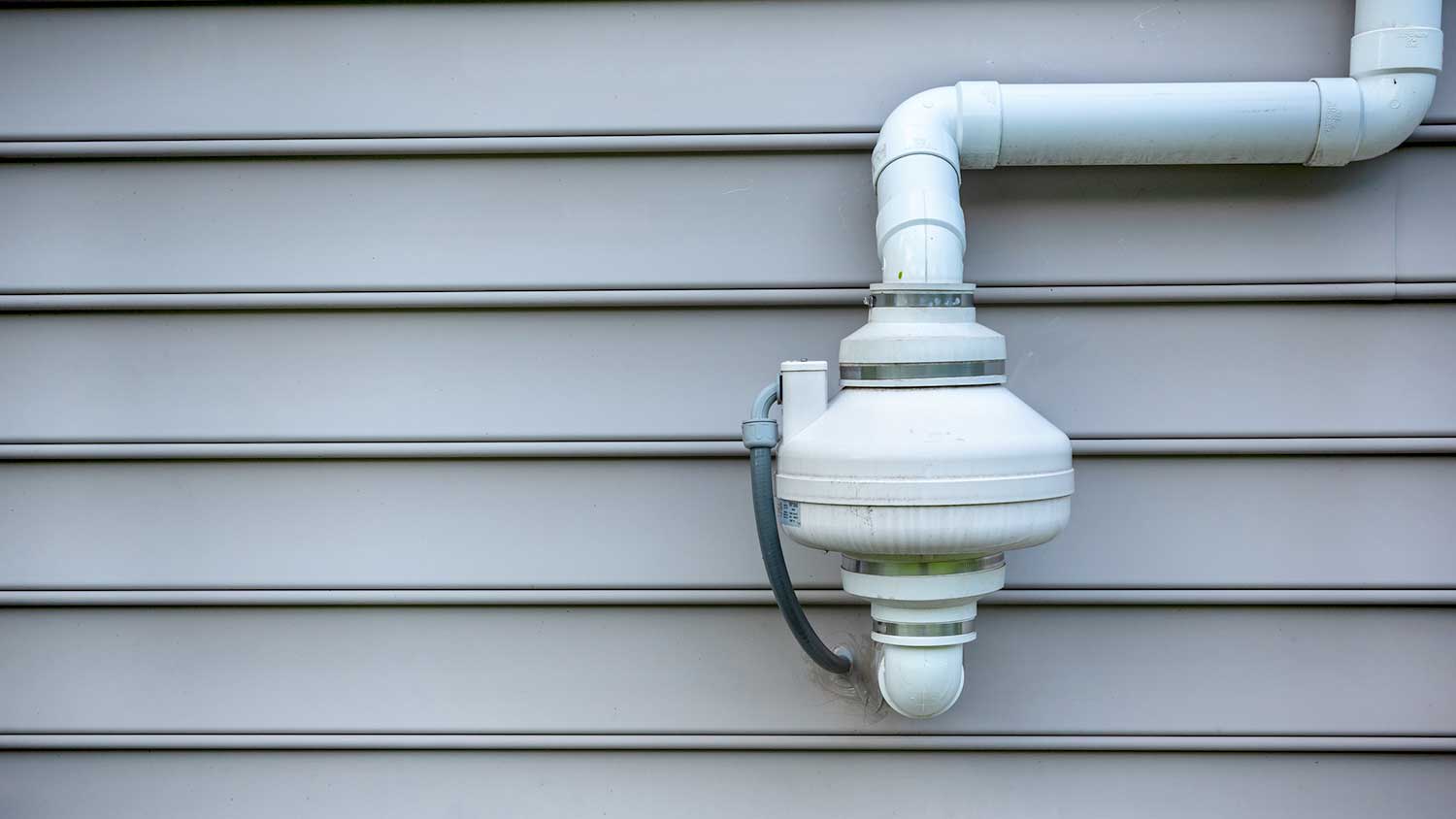
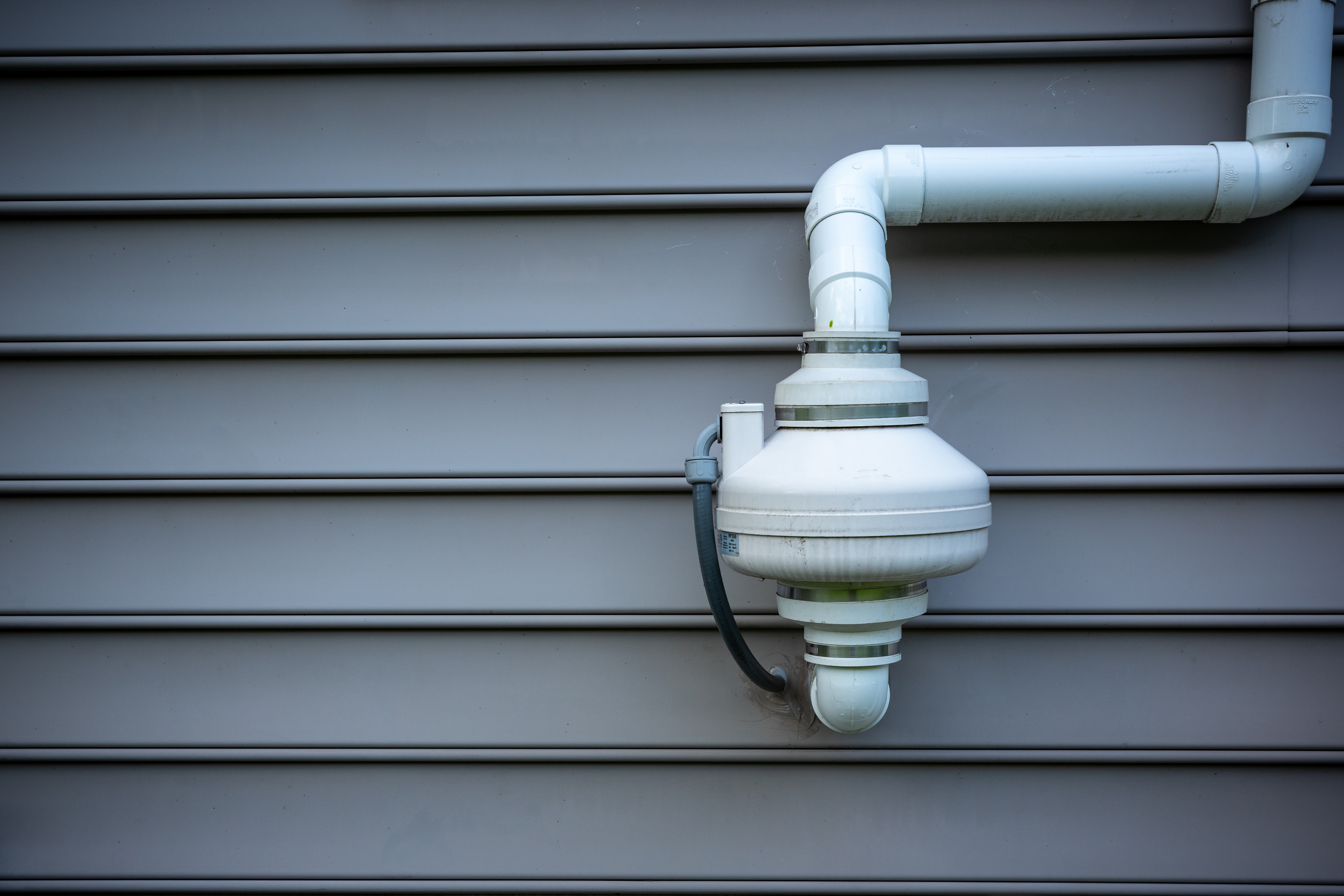
Your radon fan needs to operate 24/7 to be effective. The only time the fan isn't operating is during its replacement. Radon levels in the home can increase within hours if the fan stops working or something obstructs the stack vent. Fortunately, radon systems require no downtime maintenance between fan changes.

No level of radon is technically safe, but since it is naturally present everywhere, it is impossible to avoid entirely. The average radon level in homes across the United States is 1.3 picocuries per liter (pCi/L). The Environmental Protection Agency (EPA) recommends taking action to reduce radon levels if your home's test results are between 2 and 4 pCi/L or higher.

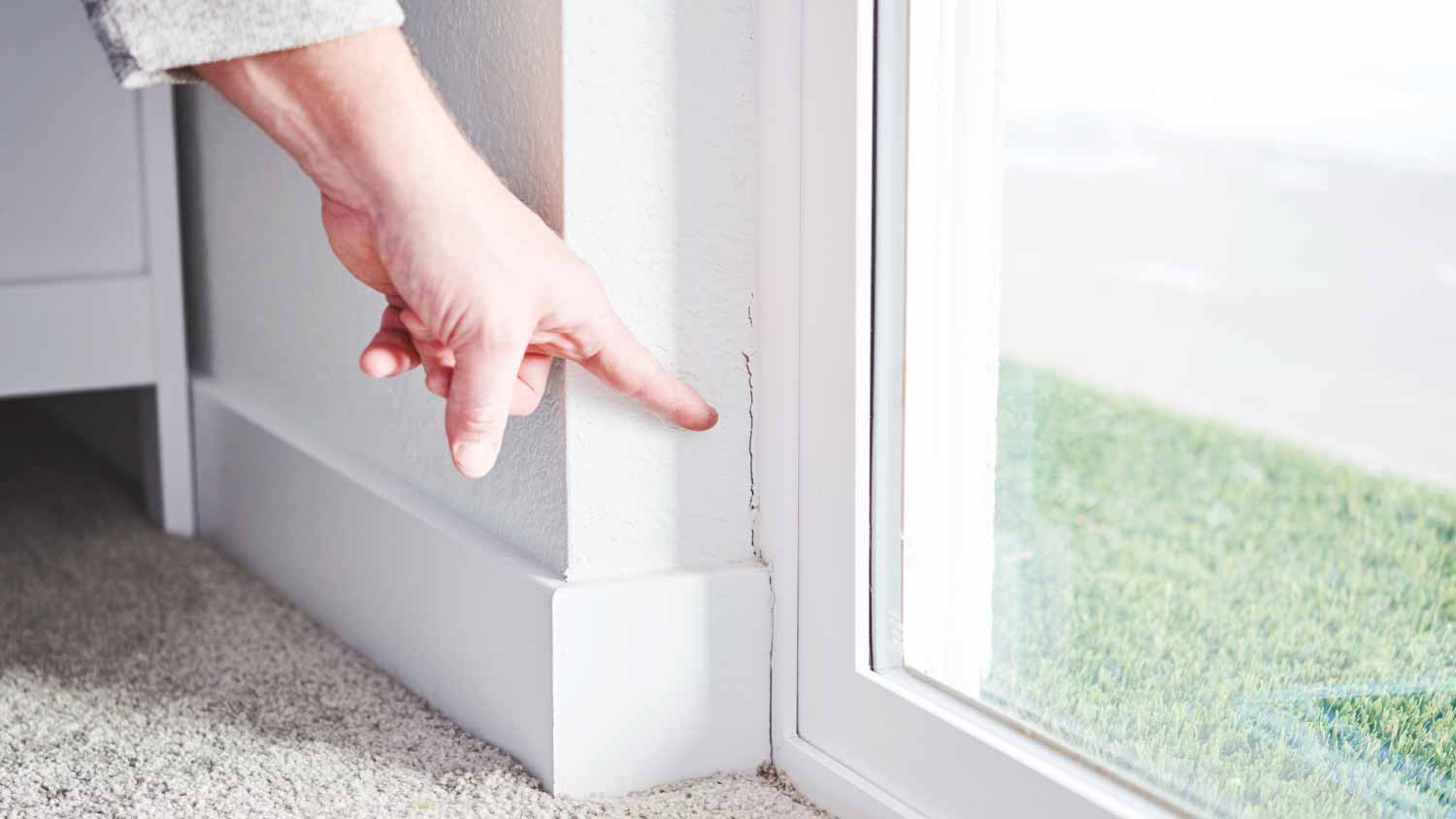
The natural breakdown of uranium in soil, rock, and water can cause radon to appear in a home. The gas seeps into homes through cracks in foundations, walls, or floors, as well as through gaps around pipes or construction joints. Radon levels are influenced by soil composition, building materials, and ventilation. Poorly sealed or airtight homes can trap radon, allowing it to accumulate.

Testing every 2-5 years or upon adjusting occupancy or structural changes maintains safe environments.

Abatement includes sealing entry points and venting with systems that reduce radon levels below recommended EPA limits. It is handled by certified professionals.

The Unionville, MO homeowners’ guide to radon detection and reduction services

From average costs to expert advice, get all the answers you need to get your job done.