

Top-rated radon detection and reduction specialists.

Get matched with top radon detection and reduction specialists in Lancaster, MO

Enter your zip and get matched with up to 5 pros

Need a pro for your radon detection and reduction project in Lancaster, MO?

Select your specific project to find the pro for you.

Find Radon detection and reduction specialists in Lancaster

Avatar for SWAT Environmental, Inc.
SWAT Environmental, Inc.
4.5(
52
)
Radon Gas - Abatement

Serving Lancaster, MO and surrounding areas

In business since 1988

Free estimates

Credit card accepted

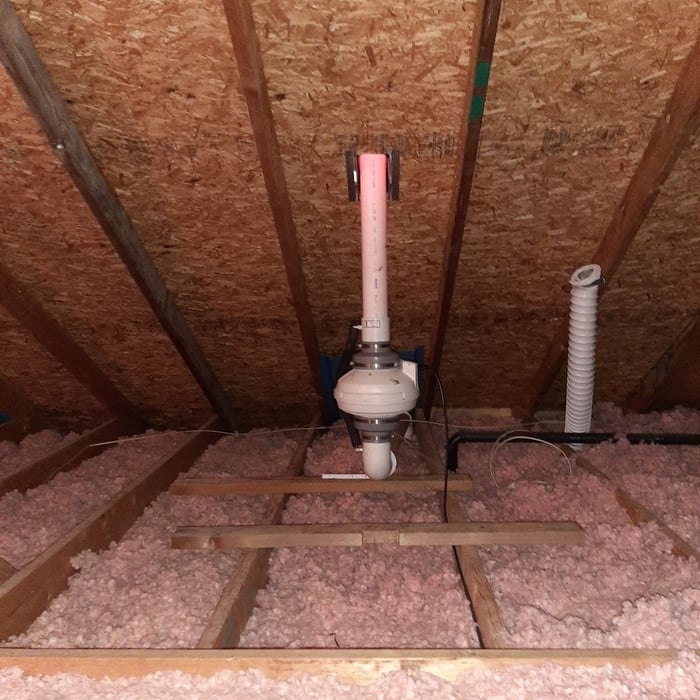
"I would definitely recommend this company to anyone!!! I hired them and the job was done nicely, Dan O'Brien was the technician who took care of the project and he did an excellent job, he answered all of my questions and explained to me everything related to Radon gas. When he finished setting everything up and the job was completed all the working area looked super clean and the installation looks just like it is part of the house and that has been there forever. This is what I call a Perfect and Complete execution of a Radon gas mitigation project."
Recommended by97%of homeowners
Radon Detection and Reduction questions, answered by experts

You'll need to test your home for radon after installing the mitigation system, then again every two years. If radon remains elevated, contact a licensed radon professional, either the contractor who installed the system or a different one, and have them evaluate the system. They may need to make some changes to improve its effectiveness and performance.

Mitigation reduces radon levels, protecting your health and complying with safety standards.

No, air purifiers are not an effective way to reduce or remove radon. Radon is a radioactive, inert gas that cannot be filtered by standard air purifiers, which are designed to capture particulates like dust and mold. While an air purifier can improve indoor air quality by removing other pollutants, it should not be relied upon for radon. The only effective solution for high radon levels is a dedicated radon mitigation system.

No level of radon is technically safe, but since it is present everywhere, complete avoidance is impossible. The average radon level in homes across the United States is 1.3 picocuries per liter (pCi/L). The Environmental Protection Agency (EPA) recommends taking preventative measures if your home's radon levels are between 2 and 4 pCi/L or higher.

If high radon levels are detected, steps include sealing entry points, installing a mitigation system, and retesting the air regularly to ensure reduced levels.

The Lancaster, MO homeowners’ guide to radon detection and reduction services

From average costs to expert advice, get all the answers you need to get your job done.