
Top-rated sand and rock delivery pros.

Get matched with top sand and rock delivery pros in Trimble, MO

Enter your zip and get matched with up to 5 pros

Need a pro for your sand and rock delivery project in Trimble, MO?

Select your specific project to find the pro for you.

TRUSTED BY TRIMBLE, MO HOMEOWNERS

  • Average homeowner rating star icon4.6
    Average homeowner rating
  • Verified reviews icon114
    Verified sand and rock delivery services reviews

Find Sand and rock delivery pros in Trimble

Showing 1-10 of 43
Sand Rock Delivery questions, answered by experts

No one likes running out of materials during a project, so calculating the right amount of gravel needed for your driveway is an absolute must. Multiply your driveway’s length by width by the depth of the gravel (in feet). For gravel depth, convert to a decimal (i.e., 4 inches is 0.33 feet). This will give you the cubic feet of material that you need. 

If you’re looking for cubic yards, divide that above number by 27.

Yes, you can put topsoil over sand to encourage grass growth. The topsoil will help to improve water retention and promote grass roots’ development, making it a recommended step of the seeding process. Adding a layer of topsoil will provide additional nutrients to the sandy soil, helping the grass grow and remain healthy through many seasons.

No, gravel and crushed rock are different. Crushed rock is made in a quarry and has sharp, jagged edges. It’s most commonly used for building and construction.

Gravel naturally occurs in river beds or lakes and features smooth edges, making it a better choice for landscaping or other decorative areas. Like crushed stone, gravel can also be found in quarries, but it’s typically due to rock-on-rock erosion rather than machinery.

Yes, a cubic yard of dirt will fit in most standard-size pickup trucks. However, consider the truck’s payload as well as the truck bed dimensions before loading it up with dirt. Soil can be quite heavy, and if the total weight of a yard of dirt exceeds your truck’s payload capacity, you risk damaging the chassis and suspension.

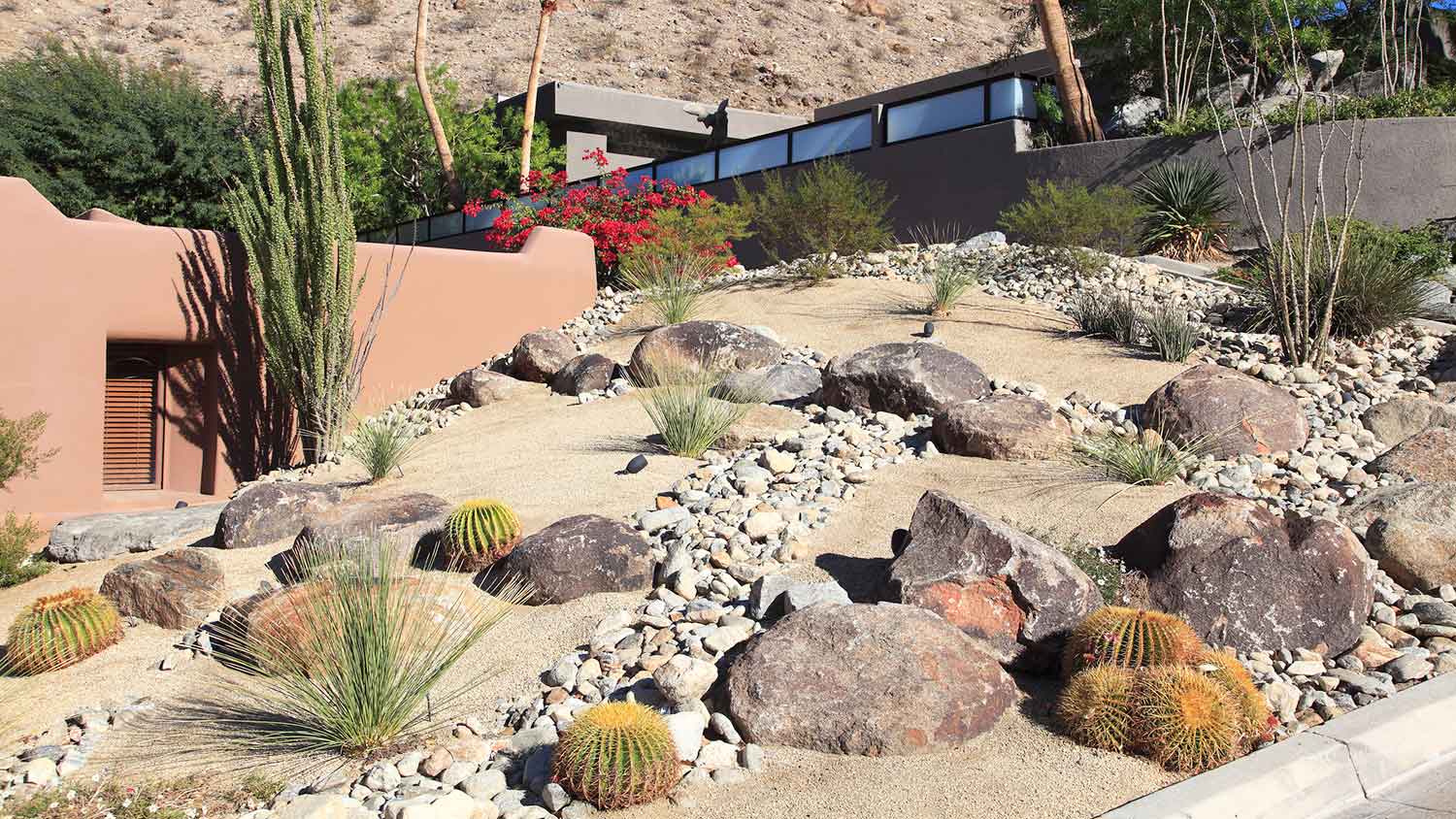
The best size rock for your landscaping depends on the design, as different boulders serve different purposes. If you want to group boulders to create a natural-looking cluster, you’ll need a range of sizes. Otherwise, here are some suggestions:

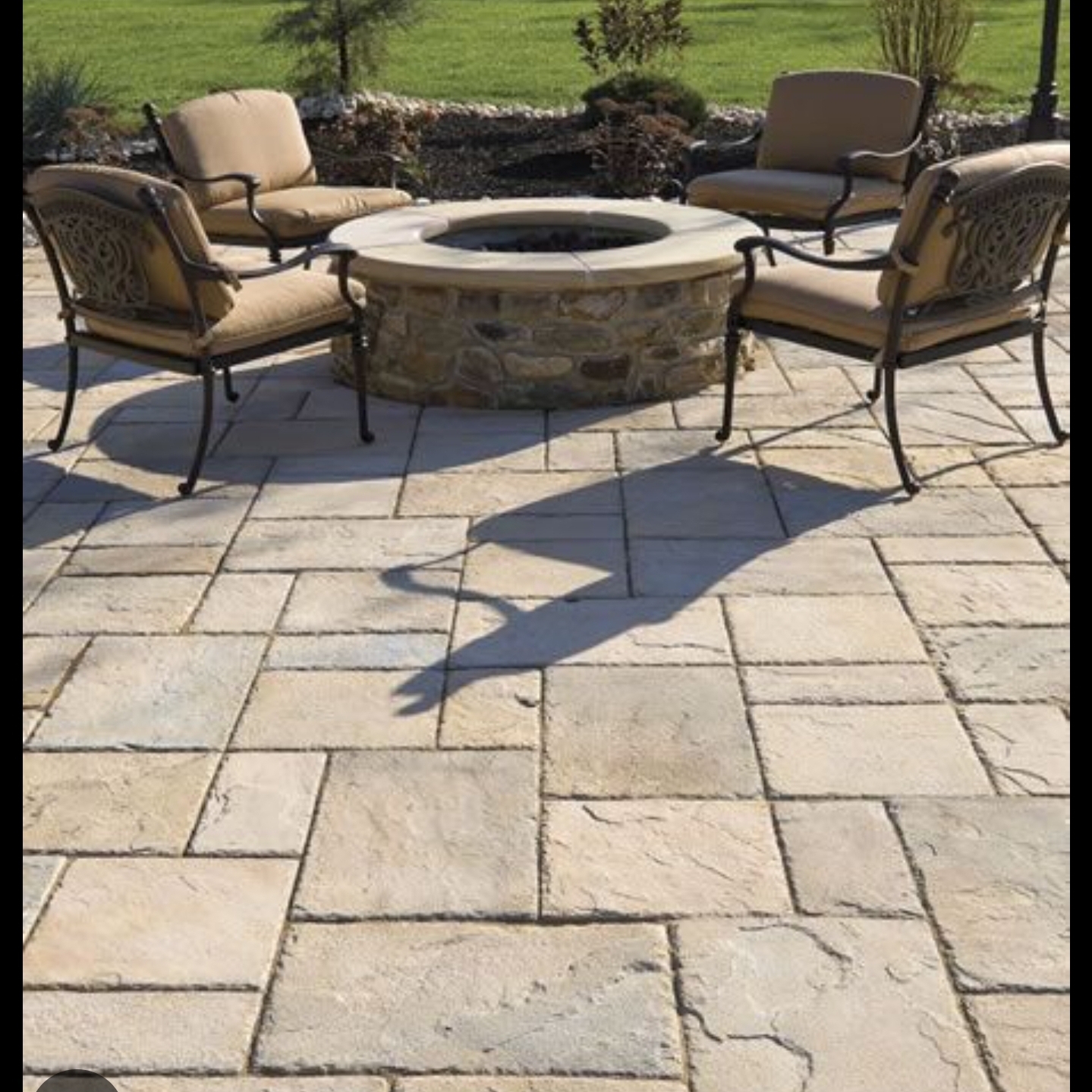
  • Small boulders (smaller than 12 inches across): Best for landscape edging and fire pits 

  • Medium boulders (12–24 inches): Best for retaining walls and water features

  • Large boulders (more than 24 inches): Best as standalone landscaping features, steps, or walkways.

Of course, you can mix and match sizes to create a unique display.

The Trimble, MO homeowners’ guide to sand and rock delivery services

From average costs to expert advice, get all the answers you need to get your job done.