

Top-rated plaster repair specialists.

Get matched with top plaster repair specialists in Tipton, MO

Enter your zip and get matched with up to 5 pros

Need a pro for your plaster repair project in Tipton, MO?

Select your specific project to find the pro for you.

Find Plaster repair specialists in Tipton

Integrated Solutions and Services LLC
New to Angi
Plaster - InstallPlaster - Repair

Serving Tipton, MO and surrounding areas

Approved

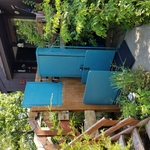
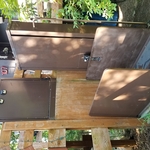
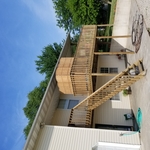
At Integrated Solutions & Services, we take pride in delivering quality craftsmanship, honest communication, and dependable service. We specialize in decks, fences, siding, roofing, drywall, painting, flooring, remodeling, concrete work, and a wide variety of home improvement projects. Whether you need a small repair or a complete renovation, we're committed to treating your home as if it were our own. We believe in fair pricing, reliable workmanship, and making sure every customer is satisfied from start to finish. We proudly serve Marshall, MO, and the surrounding communities. We look forward to helping bring your vision to life!

Showing 1-10 of 17
Plaster Repair questions, answered by experts

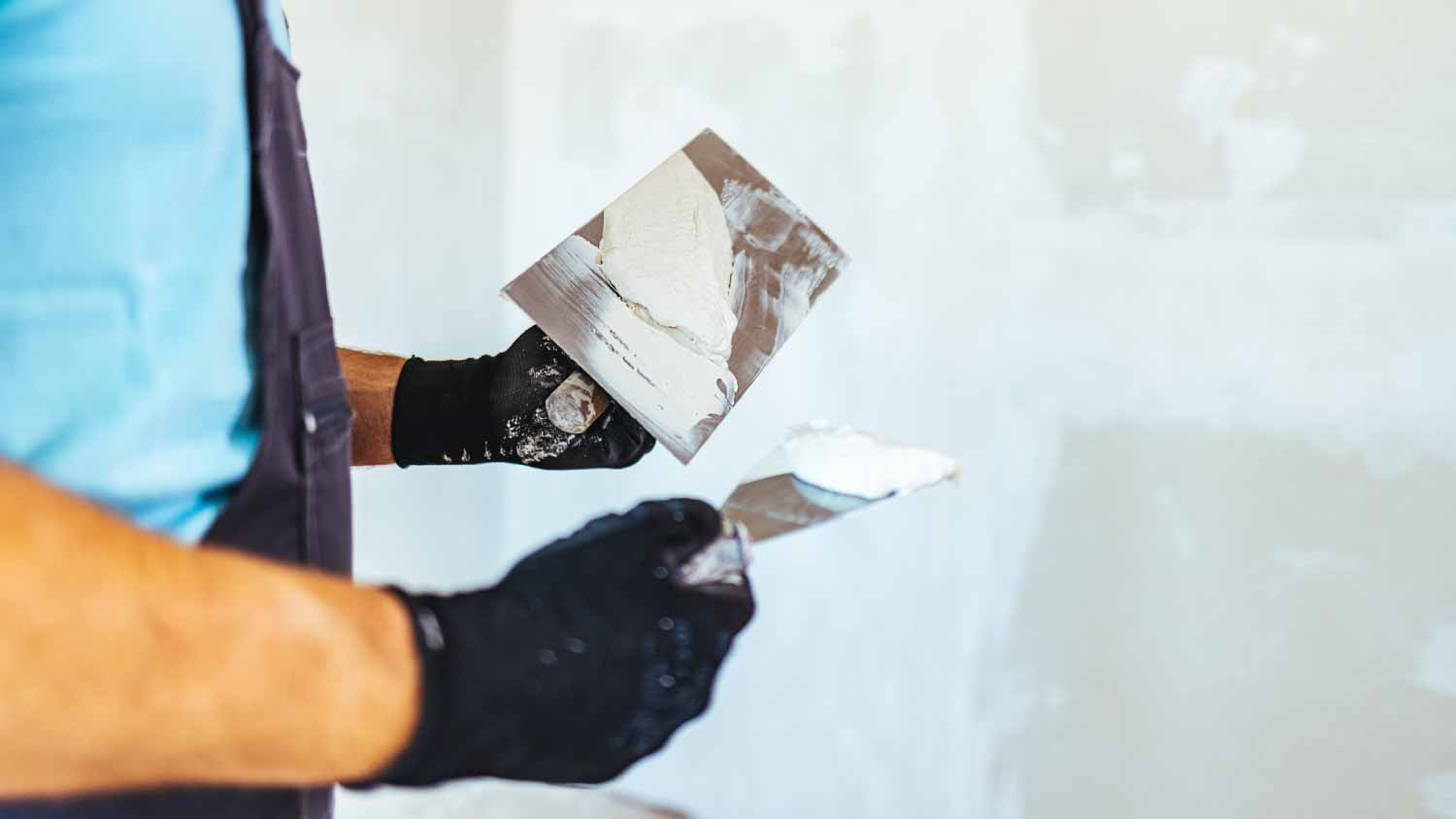
Plastering and skimming are two different techniques for finishing walls. Plastering involves applying a thick layer of a plaster mixture—typically containing gypsum, lime, cement, sand, and water—to create a new surface. This process often requires multiple coats and is used for repairing significant damage or creating decorative textures. Skimming, on the other hand, is a technique that involves applying a thin layer of drywall compound or joint compound over an existing surface to smooth it out, covering minor imperfections, small cracks, or uneven textures for a polished look. Plastering is generally more costly and labor-intensive than skimming. Although some people use the terms interchangeably, they refer to different processes and materials.

This depends on how much plaster is applied and in how many layers, but a decent estimate is around 150 square feet. If you are applying only two coats on a small wall, there is a chance you may only need one or two gallons for the entire project. If you are plastering a large living room wall with high ceilings, using one of the more involved techniques–like Scagliola–that requires several coats, expect the project materials costs to add up quickly. 

Yes, you can use drywall repair techniques for some types of plaster damage. Tiny holes and small cracks in plaster can be patched in similar ways to drywall. You apply the necessary compound to fill the hole, wait for it to dry, then sand it down. For larger damage, like water damage or mold, you need to use plaster-specific techniques and materials.

You will be placing holes in the wall to hang the mounting bracket. If you’re mounting a large TV, the bolts in use could make significant holes around half an inch in diameter. Other than a few holes, though, the process of mounting the TV should not cause significant damage to the wall, unless you make an error and miss the wall stud, tearing out drywall. Should you decide to remove the mount later, the DIY drywall repair cost for a small hole usually is $10 to $30. It’s a repair you can do in a few minutes.

Yes, you can apply new plaster over an existing plaster surface, such as a wall or ceiling, provided the old plaster is in good condition. Before you begin, check the stability of the existing plaster. The surface must be clean, free of loose material, and have no peeling paint. It is also recommended to roughen the surface slightly to promote adhesion. For older plaster, applying a base coat like a PVA emulsion or a specific bonding agent or primer is crucial. This step makes the existing plaster less porous and ensures the new and old layers adhere properly for a smooth, long-lasting finish.

The Tipton, MO homeowners’ guide to plaster repairs

From average costs to expert advice, get all the answers you need to get your job done.