





Top-rated retaining wall installation pros.

Get matched with top retaining wall installation pros in Marceline, MO

Enter your zip and get matched with up to 5 pros

Need a pro for your retaining wall installation project in Marceline, MO?

Select your specific project to find the pro for you.

Find Retaining wall installation pros in Marceline

Avatar for Enyeart Construction
Enyeart Construction
5.0(
3
)
Retaining Wall - Install

Serving Marceline, MO and surrounding areas

Approved

Super Service Award Winner

In business since 2021

Free estimates

Offers commercial services

"I asked the guys to install an egress wi dow in a basement bedroom. They did exactly as I asked and worked efficiently. They showed up when they said they would and communication was great from estimate to finish! (Drop down option says kitchen remodel for work done only because window installation wasn't an option to pick from)"
Response time11 hrs

Wilson Contracting & Painting
New to Angi
Retaining Wall - Install

Serving Marceline, MO and surrounding areas

In business since 1981

Wilson Contracting & Painting with over 25 years experience and generations of knowledge. We provide the best quality services in the home improvement industry. Wilson Contracting & Painting is a locally owned and owner operated business taking great pride in providing quality work at the lowest cost. Allow us to show you how our commitment to personal service and expertise will help you with your home improvement goals. We stand behind our work years after the work is complete.\nPlease contact us today to realize your vision with all your home improvement needs\n

Showing 1-10 of 16
Retaining Wall Installers questions, answered by experts

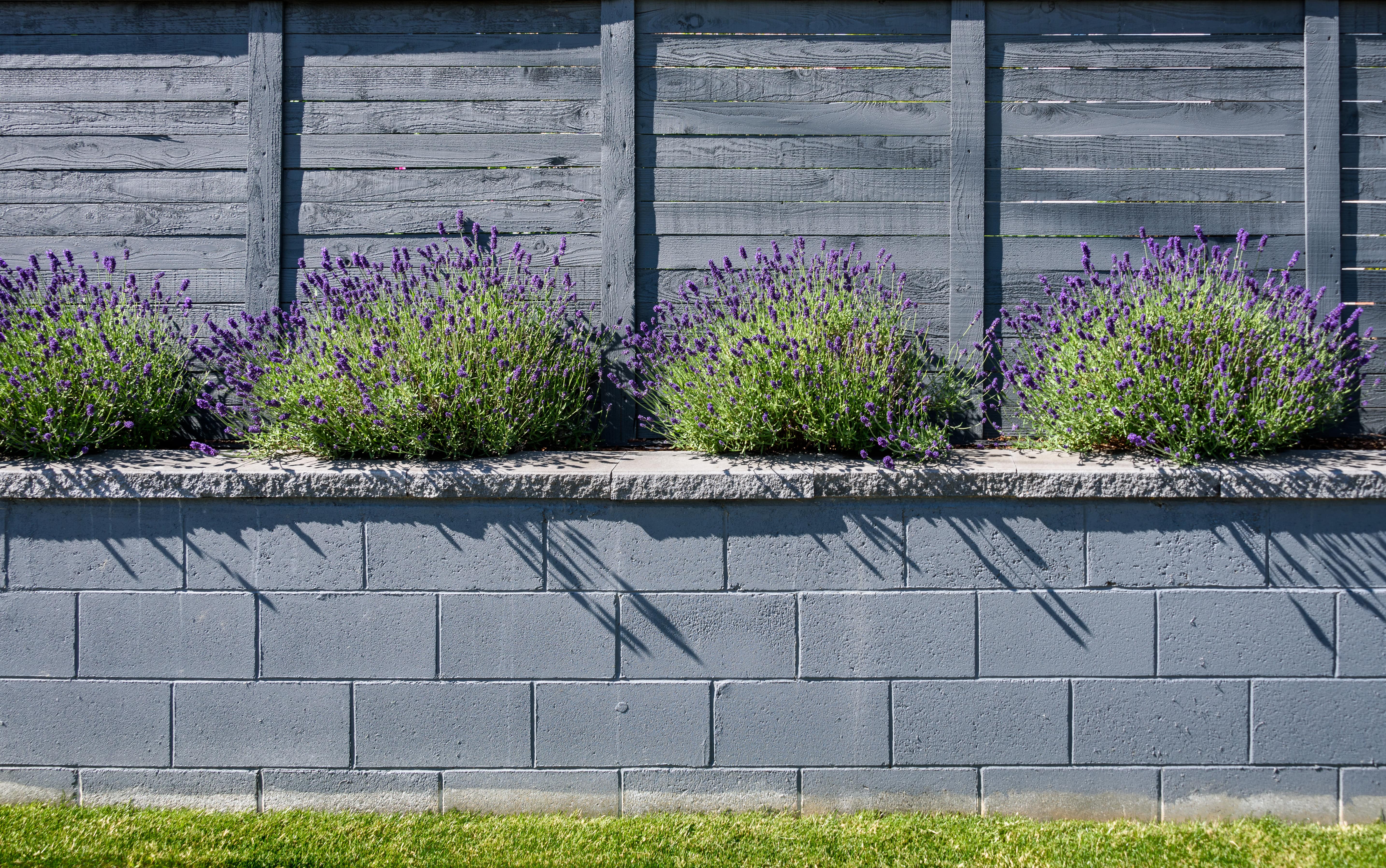
Yes, you can use cinder blocks for many purposes, including retaining walls, foundations, garage walls, and fences. Building a cinder block retaining wall costs between $60 and $200 per linear foot, including materials and professional labor. For a 30-foot-long retaining wall, the cost ranges from $1,800 to $6,000.

Railroad ties can be good for retaining walls, but it depends on the area. They have a desirable rustic look and are durable. The problem is they’re treated with creosote, a preservative the EPA says poses a risk to humans and wildlife. Over time, the preservative seeps out of the wood and into the ground. Many areas have banned the use of creosote-treated wood on residential properties. If your area does allow it, never use railroad ties near an edible garden or drinking water source. Instead, use wood that’s treated with an EPA-approved preservative or a wood-alternative composite material.

Small retaining walls still require a foundation of some kind, typically a concrete footing. This helps to ensure the wall is structurally sound and prevents the ground from shifting over time, especially during those winter freeze/thaw cycles. The footing helps spread the weight of the wall and the load it carries over a larger area of the ground, thus assisting with stability. This is true of small retaining walls, larger rock garden walls, and the like. 

Options include concrete, stone, brick, and wood, tailored for specific design needs.

Generally, a railroad tie retaining wall consisting of a single line of ties should be between 3 and 4 feet tall—and the height often tops out at around 6 feet. You can go taller, but you may need additional footings and reinforcements, including a second layer of railroad ties to support the added weight of the soil it’s holding back.

The Marceline, MO homeowners’ guide to retaining wall installation services

From average costs to expert advice, get all the answers you need to get your job done.