



Top-rated excavation pros.

Get matched with top excavation pros in Charleston, MO

Enter your zip and get matched with up to 5 pros

Need a pro for your excavation project in Charleston, MO?

Select your specific project to find the pro for you.

Find Excavation pros in Charleston

Avatar for S&S Excavating and Trenching
S&S Excavating and Trenching
5.0(
1
)
Landscape - Minor Grading or Resloping

Serving Charleston, MO and surrounding areas

In business since 2019

Free estimates

Offers commercial services

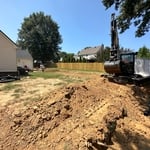
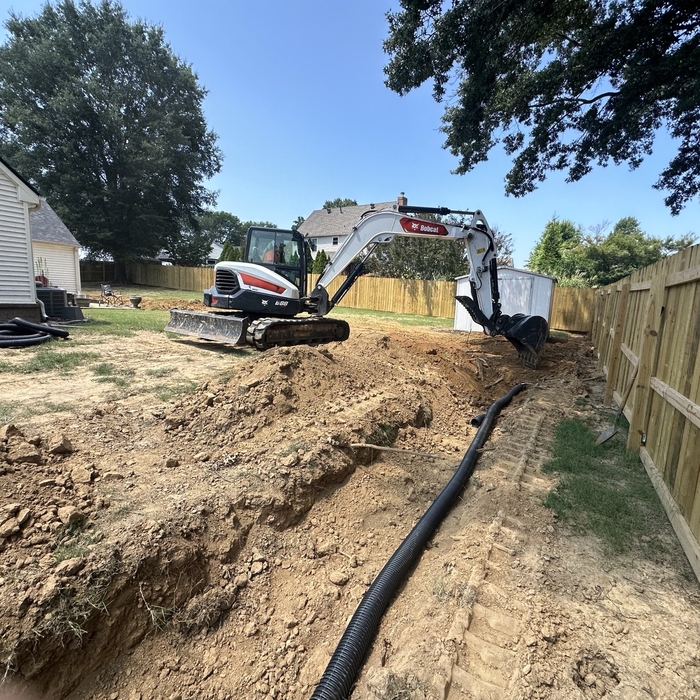
"Eric did a great job, he is very knowledgeable and efficient. He dug a drain from our driveway that was having erosion problems and installed drainage pipes on the side to fed them to the street storm drain."
Response time3 hrs
Recommended by100%of homeowners
Apex Excavation, LLC
5.0(
1
)
Building Site - Preparation and ClearingBuilding Site - Preparation and Clearing - For BusinessExcavation - Major Grading or Resloping+1 more

Serving Charleston, MO and surrounding areas

In business since 2022

Free estimates

Credit card accepted

"Meridian Roofing Solutions contacted a few excavating companies for some dirt work we needed on a roofing project. Apex Excavation was the first to respond and provided an accurate quote. I was most impressed by how they communicated to us and understood the project. I would definitely work with them again and recommend them for any dirt work needed."
Response time2 days
Showing 1-10 of 32
Excavating questions, answered by experts

Yes, you can excavate in the winter, but it might make the job harder. Frozen ground is harder to dig, and snow or ice can make the work site more hazardous. A contractor may need special equipment and techniques, such as ground-thawing methods, to break through frozen soil. Although winter excavation is possible, it may take longer and be more costly than excavating during warmer months.

Trenching and boring are two distinct methods for installing underground utilities. Trenching involves digging a channel using equipment like an excavator, trencher, backhoe, or shovel. While it is a simpler process, it causes significant disruption to the surface, landscaping, and surrounding ecosystems.

Boring, also known as directional boring, is a less invasive alternative that uses a drill to create a tunnel for utility lines without disturbing the surface. This method is more precise and is ideal for installations that need to go underneath buildings, roads, or bodies of water. Although boring is less disruptive, it is generally more expensive than trenching.

Water lines are buried at various depths, depending on the type of line. For example, most sprinkler lines are buried between four and 12 inches underground. On the other hand, water mains usually sit between one and 3 feet below ground. However, they can go even deeper in cold climates to prevent freezing.

You should dig 3 to 6 inches deep for plastic edging. Dig as wide as you need to fit your plastic edging into it—2 inches is usually sufficient.

You can bury underground electrical wire six inches deep—but only if you use a rigid metal electrical conduit. For rigid, non-metallic conduits, bury the wire at least 12 inches deep. If using an underground feeder cable rated for direct burial, you'll need to place it at least 18 inches deep, as it has no conduit for extra protection.

The Charleston, MO homeowners’ guide to excavation services

From average costs to expert advice, get all the answers you need to get your job done.