




Top-rated generator install pros.

Get matched with top generator install pros in Seymour, MO

Enter your zip and get matched with up to 5 pros

Need a pro for your generator install project in Seymour, MO?

Select your specific project to find the pro for you.

Find Generator install pros in Seymour

Avatar for NextGen Electric, LLC
NextGen Electric, LLC
4.8(
58
)
Fixed Generator - Install

Serving Seymour, MO and surrounding areas

Approved

In business since 2017

Free estimates

Emergency services offered

"Nextgen finished up a job that was started by another contractor. Finishing up where someone else left off can be challenging sometimes. These guys got right in and finished it up. I ll be calling them again"
New Ceiling Fan Box
New Ceiling Fan
Junction Box
Light Switches
Circuit Additions

+25

Response time12 hrs
Recommended by98%of homeowners
Avatar for Tri-State Water, Power & Air
Tri-State Water, Power & Air
New to Angi
Fixed Generator - InstallGenerator - InstallGenerator - Install - For Business

Serving Seymour, MO and surrounding areas

Approved (Corporate)

In business since 1992

Free estimates

Emergency services offered

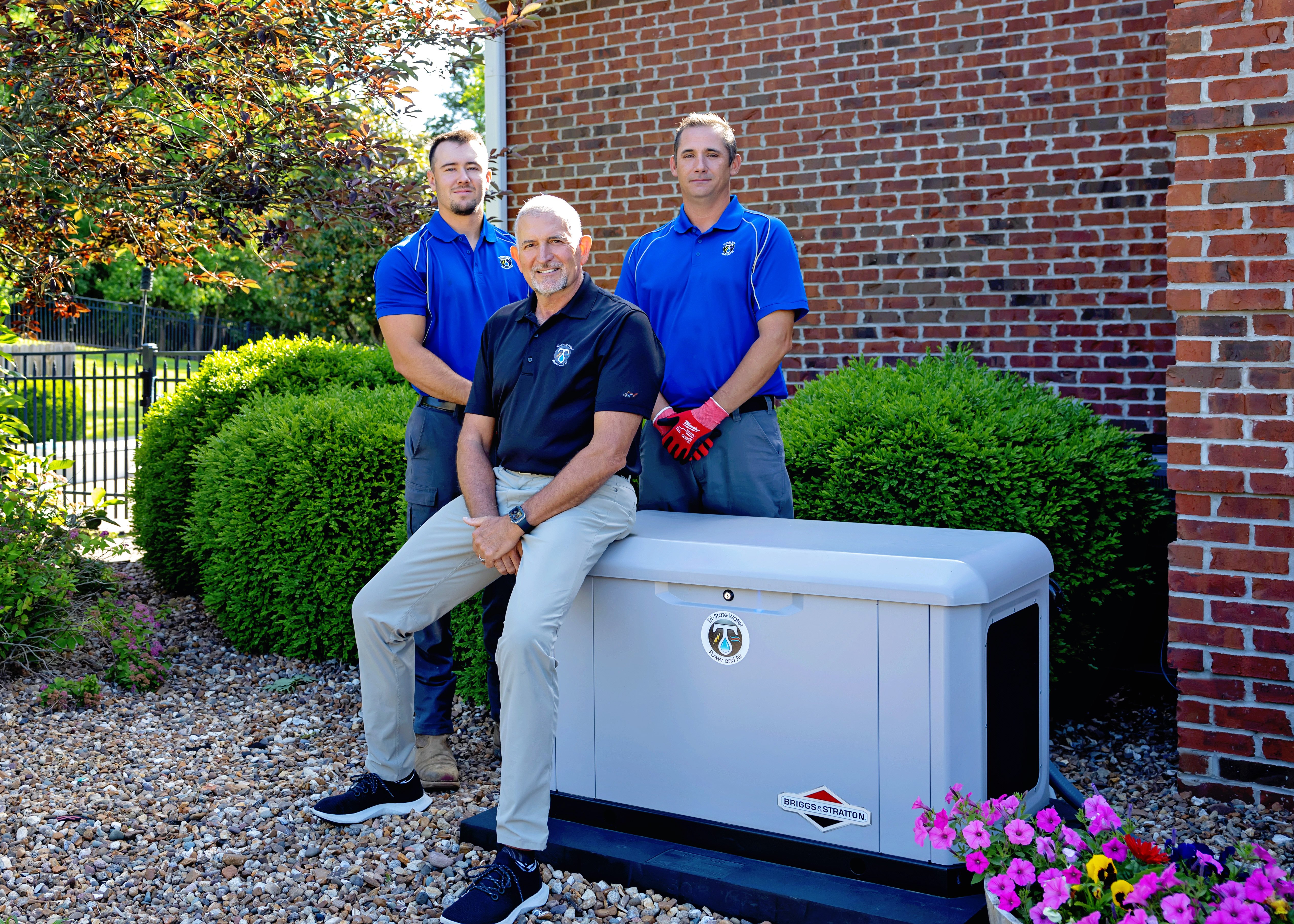
We are the experts in the field of Whole Home Standby Generators, with over 20 years of experience in the game. We provide turn-key installation by licensed professionals - 24 hour emergency service - Remote Monitoring - Long term maintenance and service by factory trained technicians. \nYou can trust our team, knowing that we have a Triple-A Rating with the Better Business Bureau and received the BBB Torch Award for Ethics. We look forward to discussing your needs and providing a recommendation and services you can rely on. \n

Response time1 day
Response rate100%
87 neighbors recently requested a quote
Showing 1-10 of 17
Generator Install questions, answered by experts

Generally, you’ll want to keep between 60 and 70 feet between the generator and the transfer switch. There are a few reasons for this, including:

  • The distance reduces the noise coming from the generator into your home.

  • It increases efficiency because you won’t have a voltage drop from this short of a distance.

  • Prevents carbon monoxide poisoning: keep at least 15 feet between your generator and an open window. 

In many cases, yes. There are models called dual-fuel generators and fuel switches, but only between certain types of fuel. For example, with the right setup you can convert a generator from natural gas to propane. Some allow switching between diesel and gasoline. There are even tri-fuel generators available in some cases, which adds a large layer of security if you are worried about fuel availability in times of crisis. Always check your generator capabilities and manual instructions before trying to switch fuels. Some generators can use another fuel but may need a fuel conversion kit to prep them first.

Whole-house generators can run continuously for extended periods, even for weeks at a time (around 400 to 500 hours), as long as they have a sufficient fuel supply. However, this type of extensive use will increase wear and tear and can shorten the generator's overall lifespan. During long periods of operation, it's important to check and refill the engine oil as needed, potentially as frequently as daily depending on the model. If your generator uses a fuel tank, ensure it is kept full to prevent unexpected shutdowns.

Most homeowners won't be able to claim a home generator as a tax write-off. However, a whole-house generator may be tax-deductible in certain situations depending on its purpose. For instance, if it's needed to power essential medical equipment, it may qualify as a medical expense deduction. Also, in some cases, businesses can deduct a generator as a business expense if it supports operations. Always consult a tax professional to determine eligibility based on your specific circumstances and the applicable IRS regulations.

Energy output depends on turbine size, average wind speed at your site, and system efficiency. A 5 kW turbine in a good wind location can generate 8,000 to 12,000 kilowatt-hours per year, which may cover a large portion of an average home’s needs. Accurate output estimates require a professional wind assessment and a review of your household’s energy usage patterns.

The Seymour, MO homeowners’ guide to generator installs

From average costs to expert advice, get all the answers you need to get your job done.