

The cost to install a generator transfer switch depends on several factors. Our guide will help you understand all of the costs.
Keep your home powered during extreme weather with a generator

Hooking up a generator to your house without a transfer switch requires an interlocking device, outdoor outlet box, or generator-grade extension cord for safe power connection.
Expect to pay $163 to $536 for professional electrician services, while DIY parts like interlocking kits, outlet boxes, and extension cords total around $130.
Your generator connection needs the main breaker turned off before powering on to prevent dangerous back-feeding that could harm utility workers or damage electrical systems.
Hiring a local electrical professional keeps your home safe by handling complex wiring and ensuring your generator setup complies with all electrical codes and safety requirements.
If you’ve ever found yourself curled up on the couch during a snowstorm, and zap—the power goes out—you’ve probably wished you had a generator to plug in. Luckily, there are several ways to connect a generator to your home. Our guide will show you how to connect a generator to your house without a transfer switch.
For a worry-free power backup, leave generator fixes and installations to generator professionals who have the skills, tools, and knowledge required to handle these complex systems.


Typically, most whole-house generators connect to your home through a transfer switch, which detects when you’ve lost electricity and seamlessly moves the power load from the electrical grid to your backup generator. Yet, not every generator requires a transfer switch to function properly—especially smaller, portable generators.
There are a few ways to connect a generator to your house without a transfer switch. These include using an interlocking device, a dedicated weatherproof outlet box, and an extension cord. Keep in mind that the best way to connect a generator to your home is to hire a generator installation professional to tackle this complicated, hazardous task.
It’s important to note that a transfer switch keeps electricity from back-feeding into the power grid. Back-feeding electricity into the power grid can cause utility workers harm, injury, or death. So, when connecting a generator to your house without a transfer switch, ensure there’s no direct connection between your generator’s power supply and the power grid’s supply.
Let’s dig into the three options for connecting your home generator without a transfer switch.
An interlocking device kit includes metal hardware that attaches directly to your circuit breaker. The device locks into place and only allows one power source to run at a time, which prevents back-feeding. Here’s how to connect an interlocking device:
Turn off the main breaker and all breakers in the electrical panel.
Install an outdoor outlet using a hammer drill.
Install a dedicated 220 or 240-volt interlock circuit breaker at the top of your panel near the main circuit breaker panel.
Install the interlock device on the main circuit breaker panel.
When the power turns off, push the interlocking device up to prevent the main breaker from turning back on.
Turn on the interlock breaker.
Take a generator extension cord and plug it into the outdoor outlet until it clicks into place.
Ensure the generator is off, and plug the other side of the extension cord into the generator.
Turn the generator on.
Depending on the wattage of your generator, you can turn on select breakers, such as the AC unit and lighting.
This option works particularly well for small, portable generators. You’ll install an outlet box outside of your home, right near where you want to run the generator. For example, you’ll want to install an outlet box outside the kitchen to run your refrigerator during a power outage.
Turn off the main breaker.
Choose a spot to put the weatherproof outlet box on the outside and a corresponding outlet inside.
Cut through the drywall with a Dremel.
Use a hammer drill to cut through the wall from the inside to the outside.
Mount the outside weatherproof box. Ensure the box is rated correctly for the voltage and amperage your generator needs.
Purchase cables that match the generator’s amperage and voltage.
Place the cable wires through the box, going from the inside to the outside.
Connect the inlet plug and the outlet box.
Install the inside outlet.
Seal up the outside hole with silicone caulk.
Plug the generator into the cord on the external box using an extension cord.
Turn on the breaker for the generator.
Turn the generator on.
Plug your appliance into the outlet box.
The extension cord is the least-used method because it can be dangerous—most extension cords cannot handle the amount of power from a generator. Follow these instructions and use caution:
Purchase a generator-grade extension cord with a high wattage allowance.
Connect the extension cord to the generator.
Bring the extension cord inside, ensuring not to run it through doors or windows.
Plug the cord in close to the appliance you want to power on.
Turn the main breaker off.
Switch the generator circuit on.
Turn the generator on.
Keep the generator dry and grounded, away from flammable leaves or grass.

Above, we covered ways to connect a generator to your house without a transfer switch. Here are a few tips to make the process safe, smooth, and effective:
Before purchasing a generator, calculate the total wattage needed and select one that can safely handle the power load.
Hire an electrician near you to install a generator breaker, interlocking device, and an outside outlet.
Never plug a generator directly into a wall socket. Always use a generator-grade extension cord.
Wear protective gear when powering up the generator.
Only flip breakers that you want to power with the generator, such as lights, air conditioning, kitchen appliances, to prevent overloading the system.
Monitor the generator and its power consumption.

If you have prior electrical experience and knowledge, you can DIY some of these projects yourself. You’ll have to pay for an interlocking device kit (around $35), an outside outlet box (around $25), and a generator-grade extension cord (around $70).
However, we highly recommend hiring a generator installer near you. Generator professionals have the knowledge, equipment, tools, and safety gear to properly connect a generator to your house without a transfer switch. Not only that, but some electrical codes may only allow generators to connect to your home with a transfer switch. So, a generator professional will know all the ins and outs of national, local, and municipal electrical codes.
If you’re good people wanting to do business with good people, hire Matt. He is a consummate professional and utterly competent. He installed a water heater in my home at a price that beat competitors by hundreds of dollars with a promise to support the unit for its life (even after its 6 yr...
 Greene's Plumbing Services
I recently had Mosby Electric perform an electrical installation on 8-14-2026, and I couldn’t be more satisfied with the service. From the moment I called, their team demonstrated fast arrival and professionalism. The electricians were highly knowledgeable, completing the installation...
 Mosby Electric
Joseph did a great job with the staircase and trim. Timely and efficient, clear communication about the work, very fair pricing. For the stairs in particular, done very skillfully in an old house (1893) in a tight spiral, and very creative with how to do the handrail. Did a nice job with...
 Vouis Trim Carpentry L.L.C.
Jason has helped me with multiple household projects, with the most recent being new door installation. He has always showed up on time and organized and has done an incredible job! Jason is very professional and he's now my go-to for anything around my house that needs to be fixed or...
 Huff Garage Rescue, LLC
Very professional, knowledgeable and helpful! Completed the install on time and as expected.
 Ward's Services
Excellent, Prompt, Courteous Service!!! They were super friendly and quite personable. I felt very comfortable with the gentlemen that did the installation. They installed it exactly where I asked them to and they did an excellent job!! I loved their service so much.
 Tether House
The Mosby team went above and beyond for my project. They not only installed my light fixture; they also worked through an old, wonky, and as it turns out incorrect wiring issue from the work of prior contractors. Professional, thorough, conscientious, and kind. Five star experience. Thank you!
 Mosby Electric
Window Depot did an amazing job installing the windows in my basement! The process from start to finish was by far more than what I expected. I would highly recommend Window Depot if you want professionalism from the the consultation to the installation. Dont settle for mediocre when you can...
 Window Depot USA of Central Ohio
The guys did an outstanding job and we had a great experience with CarifaTile. I appreciated that Joe reviewed the quotes with me and set expectations prior to the install. The crews showed up as scheduled and always left the areas clean upon leaving the house. We will definitely use...
 CarifaTile
Called ahead and worked quickly to install keyless locks on vintage wooden doors.
 Expert Lock and Key, LLC
From average costs to expert advice, get all the answers you need to get your job done.
The cost to install a generator transfer switch depends on several factors. Our guide will help you understand all of the costs.

The average cost of a whole-house generator falls between $5,000 and $25,000. Keep reading to learn how much you can expect to spend.
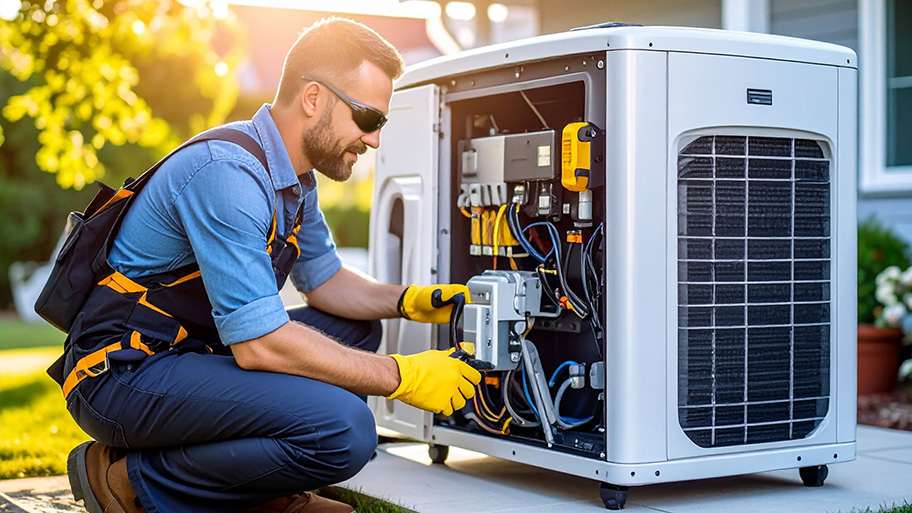
Keeping on top of generator maintenance and repairs gives you extra peace of mind as a homeowner. Find out how much regular generator maintenance costs.
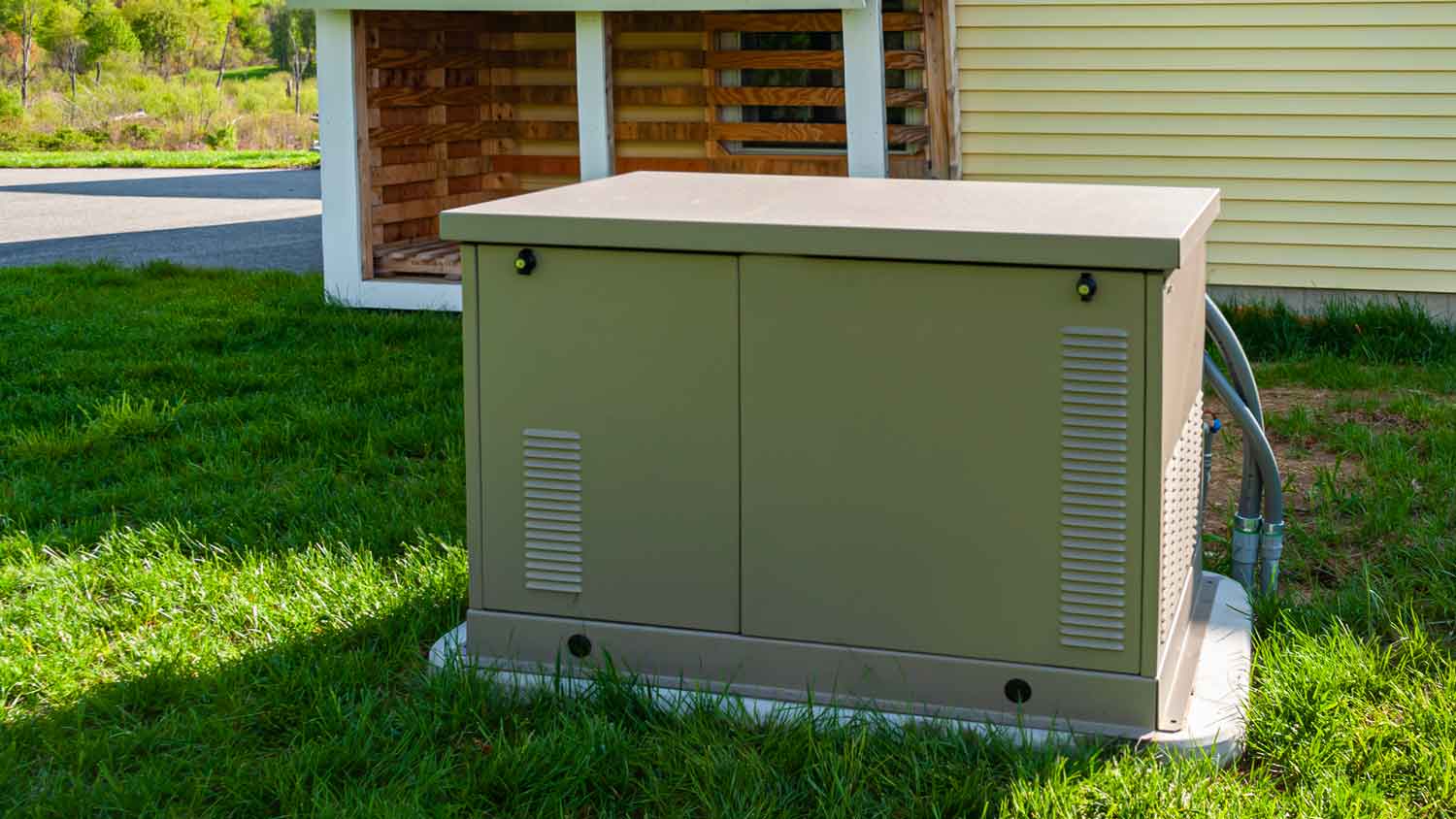
Having a back-up power source in case of emergency is important. Here’s how to use a generator to power your house.
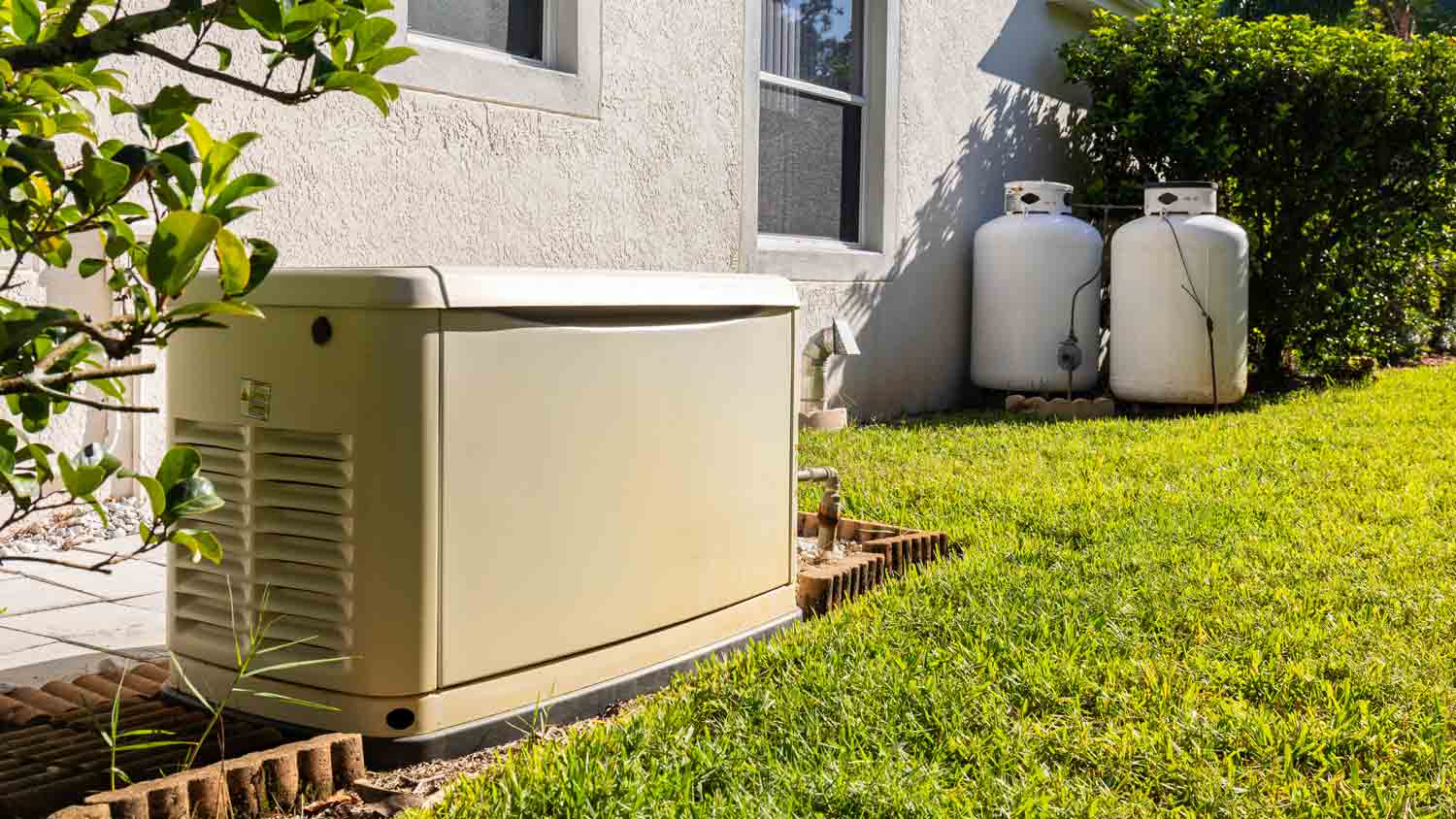
Whole house generators are a power alternative that can deal with frequent blackouts and other problems. Here’s how they function.

Portable generators ensure your essential appliances and electronics stay powered during an outage. Learn how to hook up a generator to your house.