



Top-rated central vacuum system service pros.

Get matched with top central vacuum system service pros in Riverside, MO

Enter your zip and get matched with up to 5 pros

Need a pro for your central vacuum system service project in Riverside, MO?

Select your specific project to find the pro for you.

TRUSTED BY RIVERSIDE, MO HOMEOWNERS

  • Average homeowner rating star icon4.7
    Average homeowner rating
  • Verified reviews icon674
    Verified central vacuum system services reviews

Find Central vacuum system service pros in Riverside

Avatar for Handyman Connection of Gladstone
Handyman Connection of Gladstone
New to Angi

Serving Riverside, MO and surrounding areas

In business since 2024

Free estimates

Credit card accepted

Handyman Connection, providing quality services you can depend on that won't break the bank! Our trusted craftsmen undergo an annual background check so that not only we trust them, but you can trust them too! Each craftsman is skilled in a broad range of handyman services at an affordable price. Whether you're looking for that fresh new look, planning routine maintenance or have that unexpected repair, we have a skilled craftsman perfect for the job! Give us a call today to schedule your free estimate. Just remember, one call, one connection! Service areas include: Claycomo, Gladstone, Houston Lake, Lake Waukomis, Liberty, Kansas City, North Kansas City, Parkville, Platte Woods, Platte City, Pleasant Valley, Riverside, Smithville and Weatherby Lake

Additional Photos
Additional Photos
Additional Photos
Additional Photos
Additional Photos

+7

Central Vacuum Systems questions, answered by experts

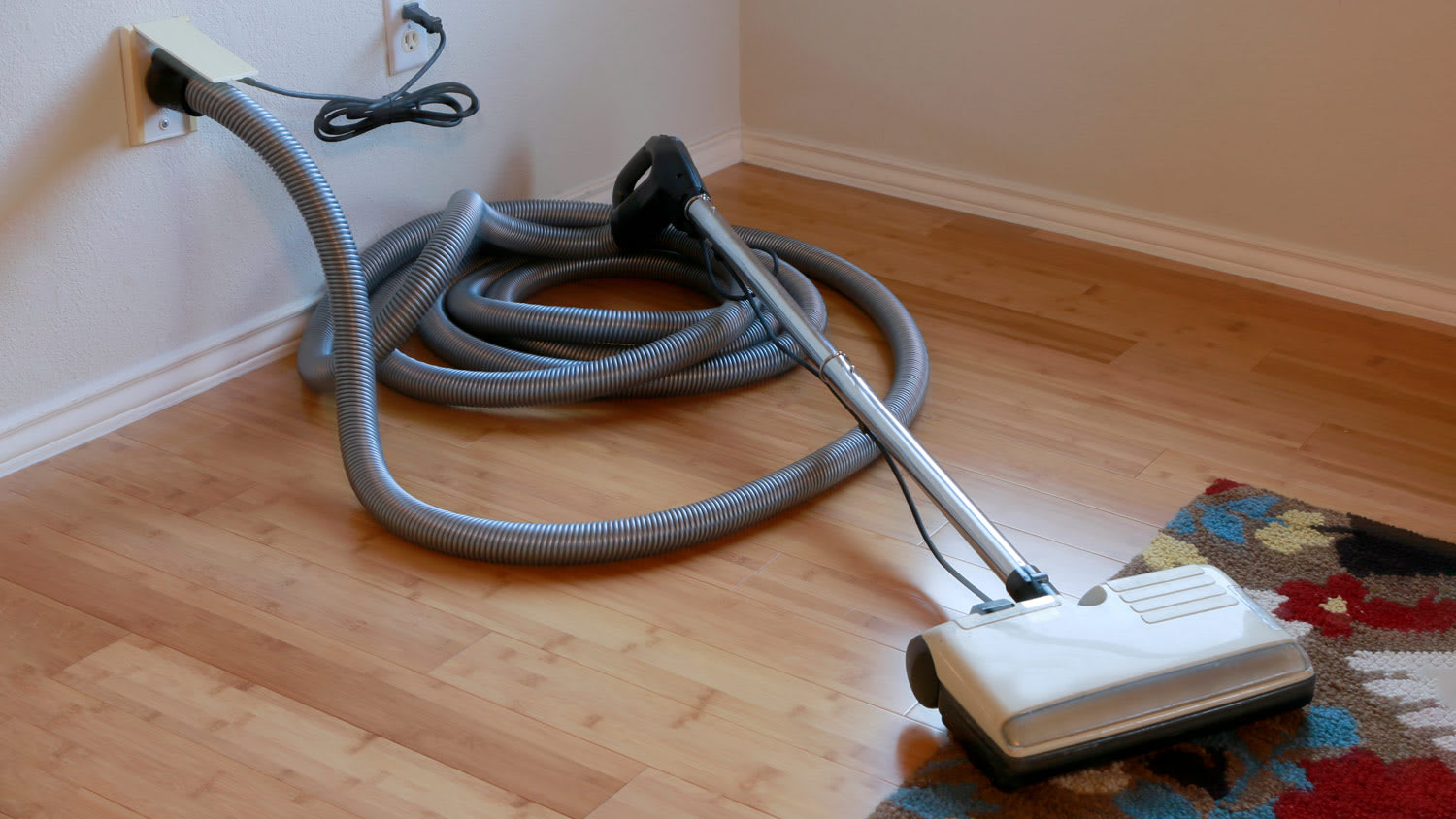
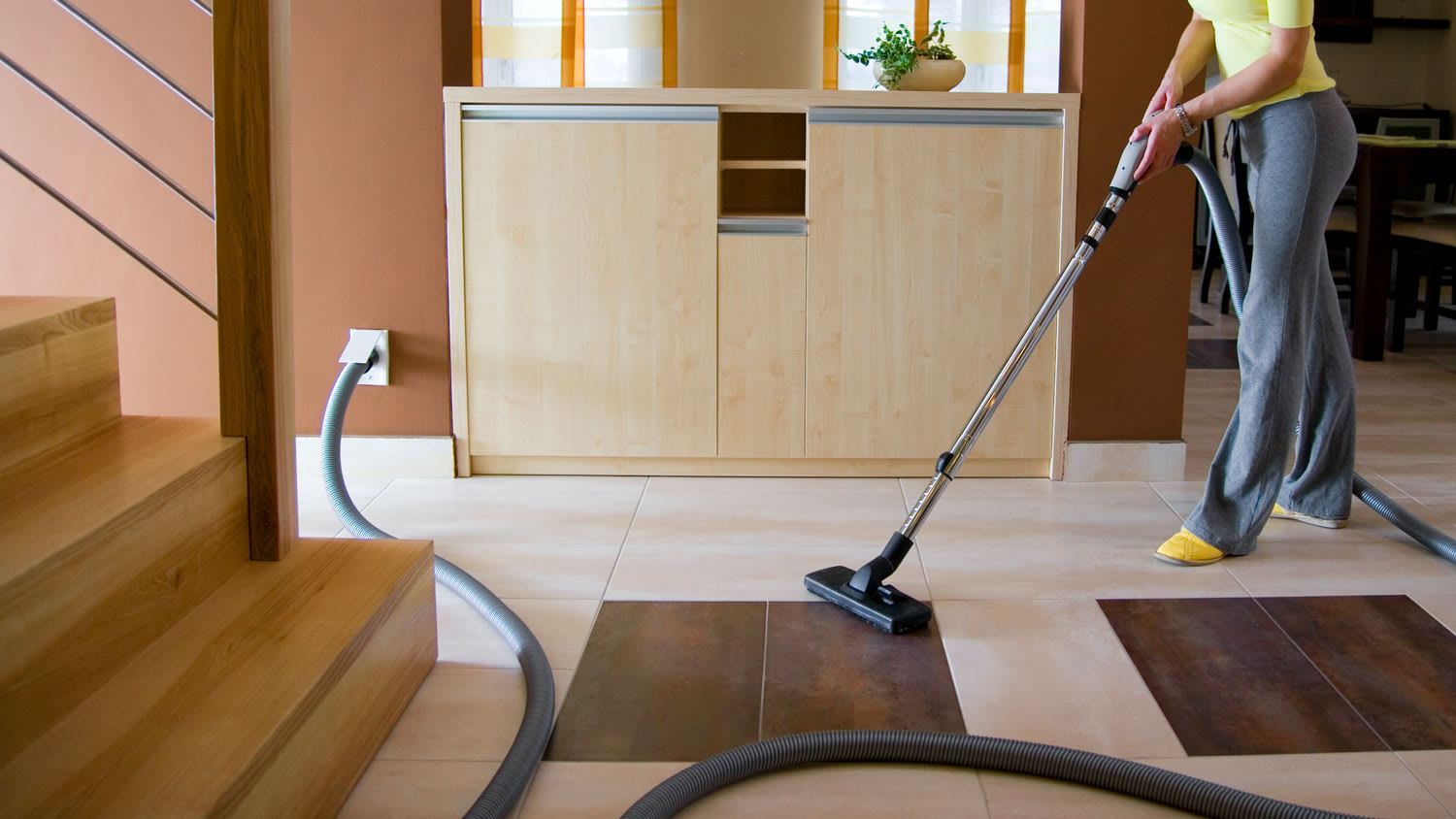
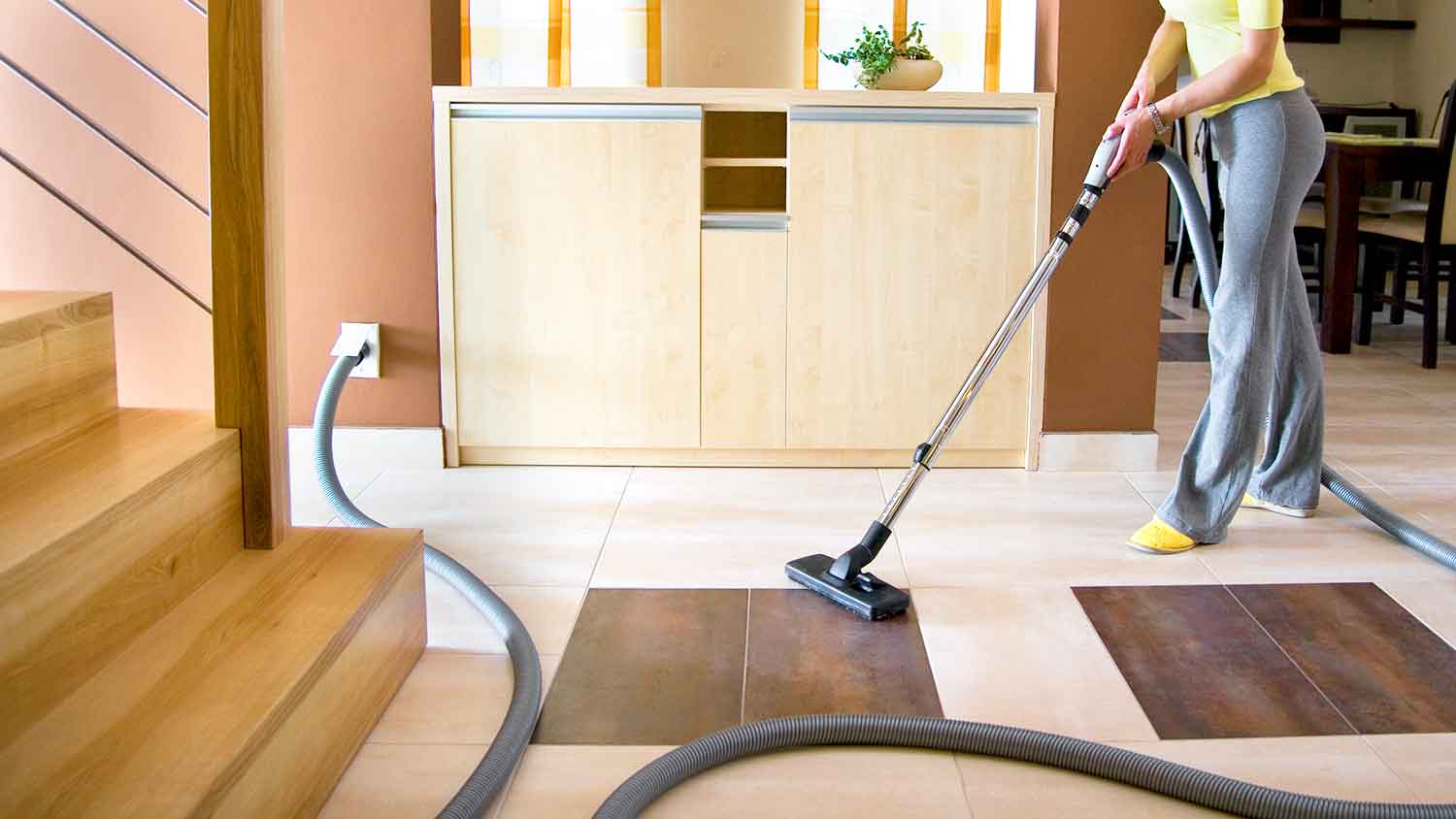
No. Only the hose or the attachments are portable in a central vacuum system. A portable vacuum is a standalone model like a stick, canister, or upright. A central vacuum system is defined by a central power unit, which is installed in one place like an AC unit, and the connected network of piping to funnel the suction.

They’ll use more electricity than the average upright vacuum, but not remarkably more. Most power units plug into a standard 120-volt outlet and don’t have significant power demands. You shouldn’t notice an increase in electricity bills. If you have any specific questions about energy costs, ask your installer as you examine purchase decisions. Larger power units will need more electricity for their suction levels.

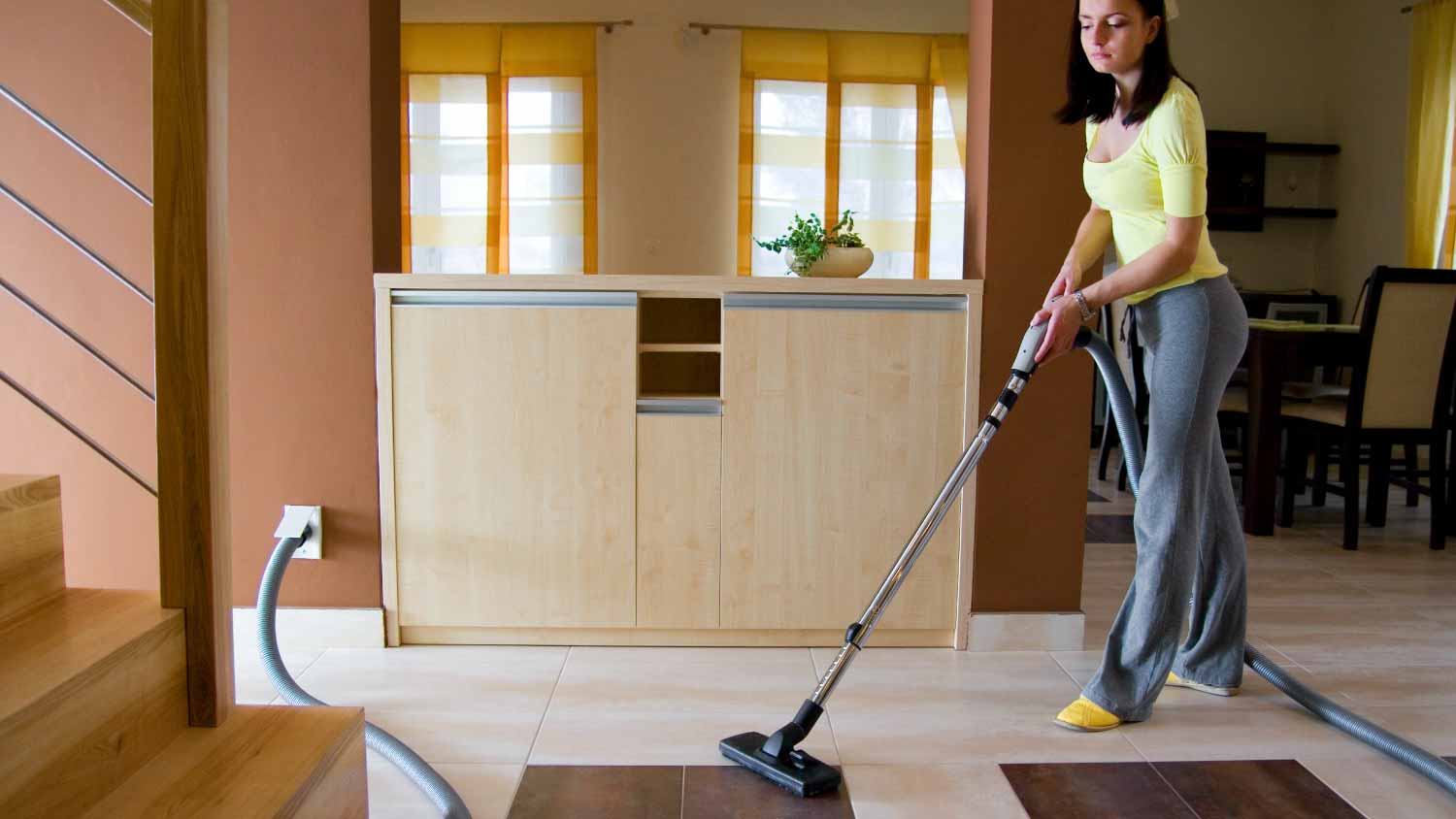
The disadvantages associated with central vacuums start with cost. They are expensive to install, especially in existing homes, as retrofitting requires opening walls. The system's bulky hoses can also be inconvenient to maneuver and store compared to portable vacuums. Additionally, repairs may need professional service, adding to maintenance costs. Lastly, while powerful, they may be overkill for smaller homes or apartments, making the investment less practical for some households.

If your central vacuum has lost suction, you probably have a clog in the system. You can remove a clog yourself using a portable vacuum cleaner or central vacuum maintenance sheets. Stubborn clogs or damage to the system require a specialized technician to repair.

It can be difficult to know right away if your central vacuum is clogged since it operates quietly compared to regular vacuums. However, there are a couple of signs you can look for. If you feel like it’s losing suction or isn’t cleaning effectively, then there’s likely a clog somewhere. 

Make sure you turn the vacuum on and feel the end of the hose handle. If you don’t feel any suction, then you’re dealing with a clog in the hose. You can see if the clog is further down in the system by attaching the hose to each outlet until you find the one with the least amount of suction.

The Riverside, MO homeowners’ guide to central vacuum system services

From average costs to expert advice, get all the answers you need to get your job done.