





Top-rated structural engineers.

Get matched with top structural engineers in Potosi, MO

Enter your zip and get matched with up to 5 pros

Need a pro for your structural engineering project in Potosi, MO?

Select your specific project to find the pro for you.

Find Structural engineers in Potosi

Avatar for Advanced Foundation Repair & Replacement
Advanced Foundation Repair & Replacement
5.0(
30
)

Serving Potosi, MO and surrounding areas

Emergency services offered

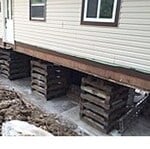
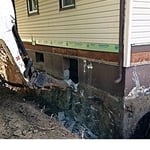
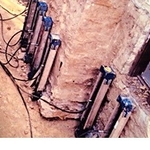
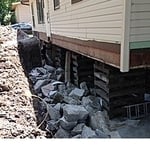
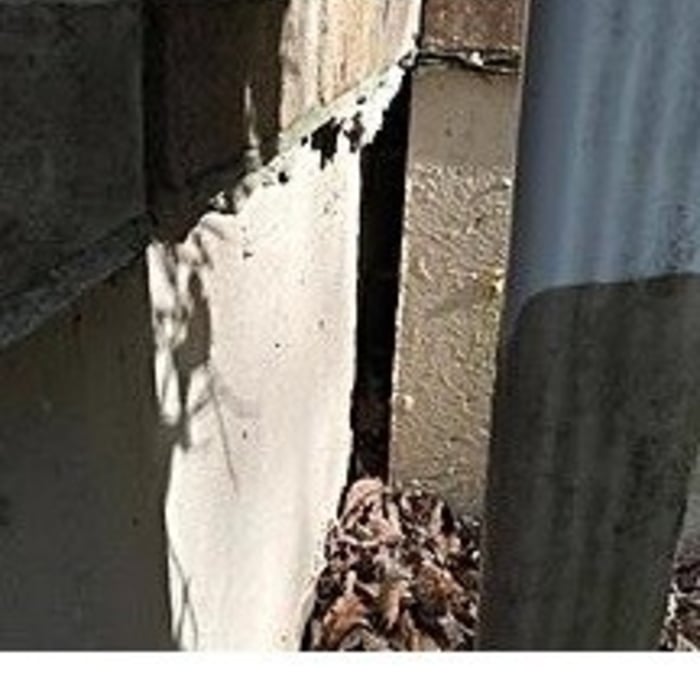
"Two years ago my wife and I noticed that our foundation was beginning to settle.  We had huge cracks in the dry-wall and our front door wasn't opening and closing properly. We decided to contact Advanced Foundation Repair and Replacement, owner Frank Matyiko.  He got a structural engineer to our house.  The engineer recommended that we needed twelve piers in order to fix our foundation.  the entire construction project went as planned.  Advance Foundation provided us with a transferable warranty in case we decided to sell our home. 
The overall experience was wonderful their crew was very professional and we would use them again and recommend them to anyone!!
"
Additional Photos
Additional Photos
Additional Photos
Additional Photos
Additional Photos

+2

Recommended by100%of homeowners
Avatar for MABS Engineering LLC
MABS Engineering LLC
New to Angi

Serving Potosi, MO and surrounding areas

In business since 2022

Small jobs welcome

Credit card accepted

MABS Engineering provides top-tier structural engineering, façade consulting, structural detailing, integrated design and detailing, and structural inspection, in addition to construction consulting for all types of buildings. Known for their exceptional service, the firm offers clients personalized, dedicated, and innovative engineering solutions. Licensed in all states.

Structural Engineering questions, answered by experts

In framing, studs are placed at 16-inch intervals to coincide with the typical spacing of wall materials such as drywall or plywood. This spacing is called "on-center" and is necessary for maintaining structural stability and efficient use of materials. The 16-inch spacing also helps to distribute the weight evenly across the building's structure. For those looking to cut material costs and improve energy efficiency, 24-inch stud spacing can be employed through a method called "advanced framing". This requires careful planning and adherence to local building codes to ensure structural integrity.

First, most contractors will have a structural engineer create a report and plan for your project to ensure it’s safe to cut into the load-bearing wall. The contractor will then excavate around the wall, if necessary, measure the opening—allowing for additional space to fit and level the door, and then cut the doorway out. They will likely install a steel lintel as a header over the door for support. Once the doorway is cut out, they’ll demolish the concrete using sledge hammers and masonry chisels, clean up the surrounding concrete, and seal around the door with masonry mortar. 

Stone, marble, and brick are common building materials of Neoclassical architecture, though you will also find wood flooring and a range of natural stone tiles. Since several home styles fall under Neoclassical architects' umbrella, a range of building materials—including traditional wood framing—will make an appearance.

No, squeaky floors do not always mean there is structural damage. The noise is often caused by friction from issues like loose floorboards, gaps between the subfloor and joists, or loose subflooring. While many squeaks are harmless, persistent or worsening noise could indicate a more severe problem. If you notice other signs of structural damage—such as soft or sagging floors, cracks running from the wall to the ceiling, or horizontal cracks in your foundation—it's best to have a professional inspect your floor to determine the root cause.

A 4-inch-thick concrete slab can support around 4,000 pounds per square foot if a contractor reinforces the slab with rebar, while that same slab without reinforcements will support closer to 1,000 pounds. For the purposes of a patio, 4 inches in thickness without reinforcement should suffice unless you’re installing heavy kitchen equipment or a hot tub on it. In those cases, reinforcing your slab and sticking with 4 inches of thickness should provide plenty of strength.

The Potosi, MO homeowners’ guide to structural engineering services

From average costs to expert advice, get all the answers you need to get your job done.

What do you need done? We’ll find top pros.
  • 🌱 "Mow a small front yard"
  • 🛠 "Fix a leaking pipe under the sink"
  • 🏠 "Repair shingles on an asphalt roof"