







Top-rated sewer cleaners.

Get matched with top sewer cleaners in Polo, MO

Enter your zip and get matched with up to 5 pros

Need a pro for your sewer cleaning project in Polo, MO?

Select your specific project to find the pro for you.

Find Sewer cleaners in Polo

Showing 1-10 of 13
Sewer Cleaning questions, answered by experts

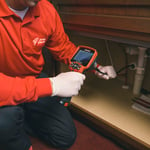
Even with a high-resolution camera, what you're looking at on the screen may not be recognizable to the untrained eye. Your plumber should be willing to walk you through the video and explain what they found. With high-res images, bright lighting, and self-leveling technology, you should get clear, steady views of the pipes that make up your plumbing system.

It's advisable to have your sewer line inspected every three to five years to ensure its proper functioning and detect any potential issues early on. However, the frequency of inspections can vary based on factors such as the age of your sewer system, the type of pipes used, and your property's location. If you notice any warning signs like slow drains, foul odors, or sewage backups, it's essential to schedule an inspection promptly, regardless of the regular maintenance schedule. 

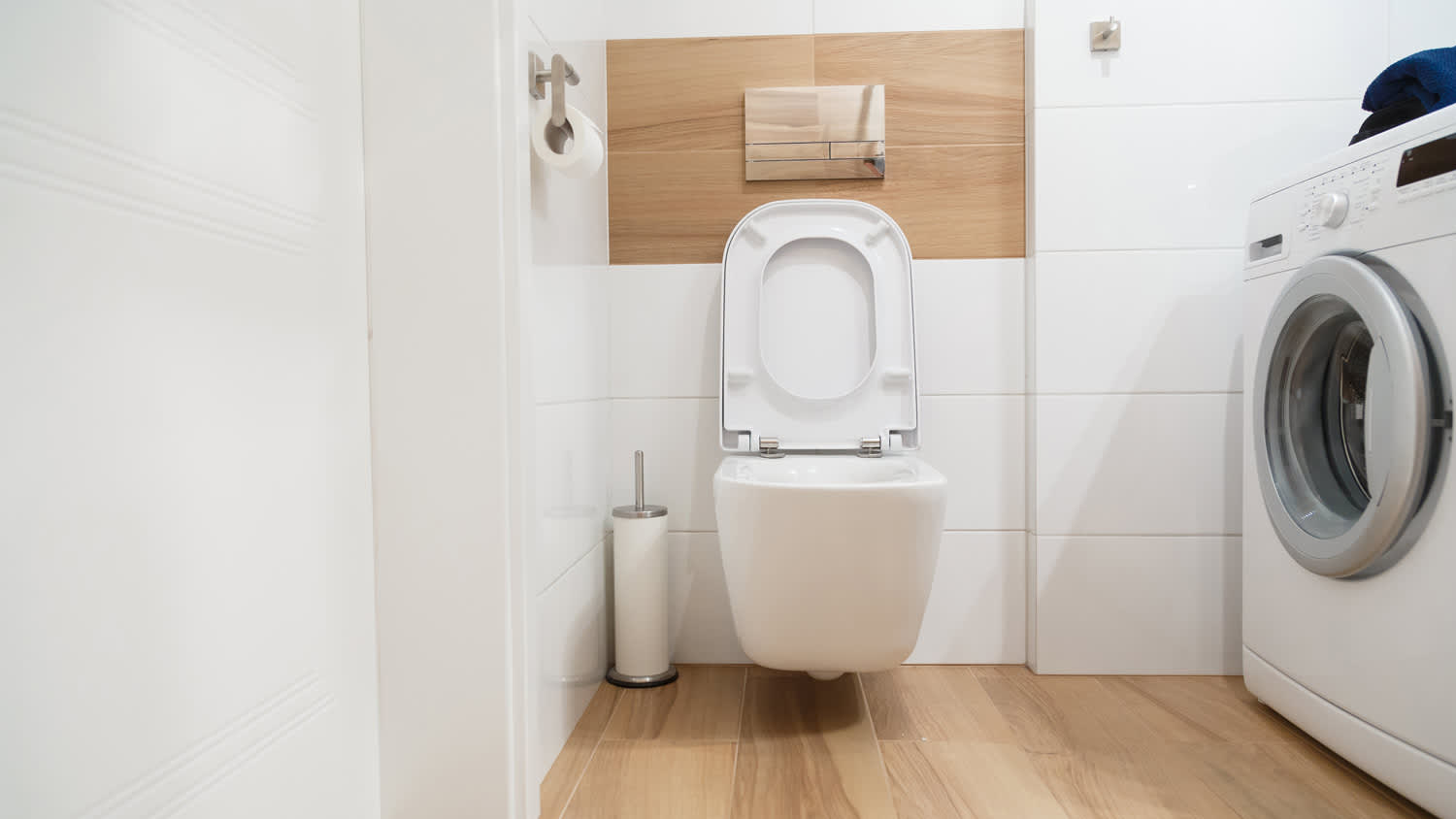
If you’re wondering whether rats can come up the toilet, the unfortunate answer is yes, it’s possible, though it’s extremely rare. These rodents are excellent swimmers and can travel through sewer pipes in search of food, and they may follow plumbing lines leading to your home if they’re drawn by the scent of scraps and waste. The toilet’s U-bend holds a small pocket of air, which can help a rat catch its breath before making its final push into your bathroom. While more common in cities with larger rat populations, this can happen anywhere with connected sewer systems; sealing entry points and keeping drains clean can help reduce the risk.

Your sewer line can get grimy quickly. To prevent sludge buildup in your sewer line, pour a mixture of 1/3 cup of vinegar and 1/3 cup of baking soda down each drain in your home once a month. After about 30 minutes, flush the drain with hot water.

Some plumbers recommend 3/4 cup of bleach instead to clean any germs and bacteria that may build up in your sewer line. But this won’t break down any active clogs, and it cannot be combined with vinegar, as the mixture will create a toxic, hazardous gas.

The cost to unclog a drain varies based on the location and severity of the clog. For simple clogs within your home, such as in a sink, toilet, or shower, hiring a plumber typically costs between $110 and $350, with an average of around $200. Snaking a toilet or sink usually costs between $110 and $275, while a bathtub or shower clog costs about $225.

For a more serious clog in the main sewer line, the cost is higher. Clearing a main line clog generally costs between $200 and $600, with an average of about $380. However, prices can range from as low as $100 for snaking a minor clog to over $1,600, particularly if advanced methods like video inspection and hydrojetting are needed for a large or hard-to-reach blockage. Some severe main line clogs can cost upwards of $1,000 to clear depending on factors like the cause of the clog, its distance from an accessible cleanout, and whether the pipe is located beneath an occupied space (e.g., in an apartment building). You may be able to save money on minor clogs by using a drain snake or bladder yourself.

The Polo, MO homeowners’ guide to sewer cleaning services

From average costs to expert advice, get all the answers you need to get your job done.