


Get matched with top arborists in Palmyra, MO

Palmyra homeowners rate arborists in our network

4.7

(93 reviews)

Top-rated arborists.

Need a pro for your arboricultural service project in Palmyra, MO?

Select your specific project to find the pro for you.

Find Arborists in Palmyra

Avatar for ProCare Tree Service
ProCare Tree Service
5.0(
13
)

Serving Palmyra, MO and surrounding areas

In business since 2005

Free estimates

Credit card accepted

"Very polite. Willing to listen to what you want. Done the work in a timely manner. Very respectful to your property. It was a 5 star experience. I will call them again for any other work I need to have done."
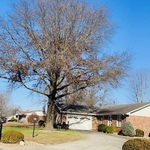
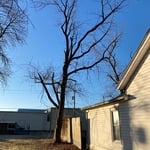
Pin Oak- full trim
Pin Oak- full trim
Response time2 days
Recommended by88%of homeowners
Avatar for Dave's Construction
Dave's Construction
4.3(
13
)

Serving Palmyra, MO and surrounding areas

In business since 2004

Free estimates

Credit card accepted

"dave did a great job, with paint and construction of a complete porch. painting of the exterior of our rental house, and next we are having him take a look at the interior of the house, after the renter moves out. thank you for giving us an opportunity to use DAVE'S CONSTRUCTION. a very polite young man."
kitchen
flooring
banaster
building new
new deck

+7

Response time8 hrs
Recommended by100%of homeowners
Showing 1-10 of 48
Arborists questions, answered by experts

The best time to transplant a tree is when it is dormant. For many trees, this means either in the fall after the leaves have dropped (around October or November) or in early spring before new growth begins (around March). The ideal timing can depend on the type of tree. Deciduous trees do well when moved in early spring or fall, while evergreens are best transplanted in early spring or late summer. For example, pine trees are best moved in early fall, but maples prefer late fall. Avoid transplanting in winter, as the frozen or hard, cold soil poses a significant risk to the roots and prevents the tree from acclimating properly.

Rock salt or Epsom salt can damage and kill tree roots over several weeks and can even assist in removing the tree's stump. However, you need to drill holes or cut into the stump and surface tree roots to inject them properly with the salt. Repeat the process every two weeks until the roots visibly rot away.

It may not be worth it to rake every leaf in your yard, but it’s necessary to remove the majority of leaves to prevent them from smothering grass growth on your lawn. However, raking leaves isn’t your only option for leaf removal. You can remove leaves easily with a leaf blower or compost or mulch them with your lawn mower to repurpose them to help grow your garden or yard.

The best way to protect tree roots is to avoid the roots entirely by excavating outside the root radius of the tree. For nearby projects, it’s a good idea to construct a temporary retaining wall. But that’s not always possible, depending on the project and the root system. In these cases, consider using alternative equipment like an auger to tunnel under the ground.

Remember, tree roots can damage nearby cement foundations as they grow. If a tree is close enough to interfere with large excavations, it may be better to remove the tree than risk future problems.

Peach trees grow to be about 25 feet, so keep this in mind for pruning as well. If you plan to DIY, you’ll need to be comfortable working on a ladder. Without pruning, peach tree branches can sprawl nearly as wide as the tree grows tall, so make sure to plan pruning sessions at least once per year in the spring for controlled growth. And if you’re working on a ladder, be sure to follow all safety precautions, especially if you’ll be dealing with falling branches.

The Palmyra, MO homeowners’ guide to arboricultural services

From average costs to expert advice, get all the answers you need to get your job done.