


Top-rated aquarium service pros.

Get matched with top aquarium service pros in Naylor, MO

Enter your zip and get matched with up to 5 pros

Need a pro for your aquarium service project in Naylor, MO?

Select your specific project to find the pro for you.

TRUSTED BY NAYLOR, MO HOMEOWNERS

  • Average homeowner rating star icon4.8
    Average homeowner rating
  • Verified reviews icon16
    Verified aquarium services reviews

Find Aquarium service pros in Naylor

Avatar for Rymer Dozer & Backhoe Service, Inc.
Rymer Dozer & Backhoe Service, Inc.
5.0(
2
)
Water Feature - Install a Pond

Serving Naylor, MO and surrounding areas

Approved

In business since 2004

Free estimates

Credit card accepted

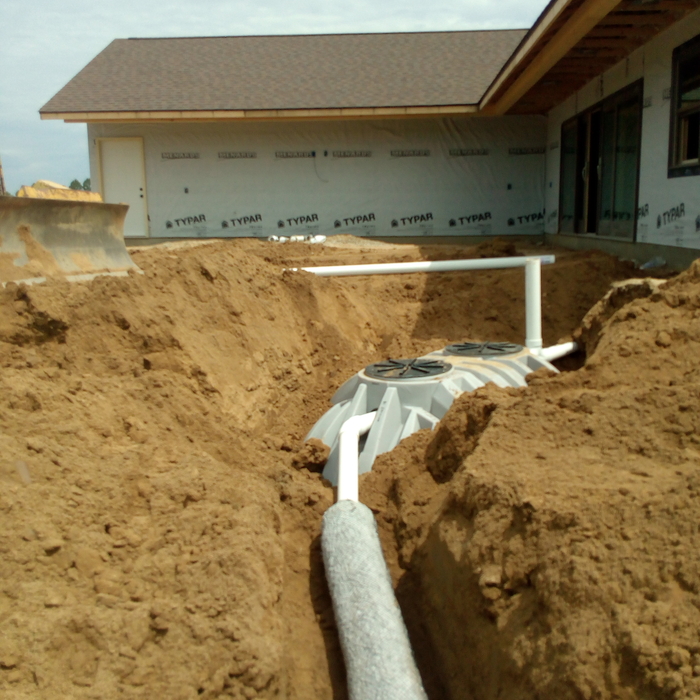
"They came and dug a new leach line that had been crushed from previous work done on the land. They were very professional and worked very hard to complete the job. It was not an easy task due to an abundance amount of very large rocks where we needed the new leach line. But they worked hard and made it happen. Very pleased with their work and effort from Wappapello, MO."

Excavated basement
Excavated basement
Excavated basement
Excavated basement
Sewer system

+2

Response time6 hrs
Response rate98%
Recommended by100%of homeowners
Avatar for Stanley's Home Improvement
Stanley's Home Improvement
3.3(
12
)
Water Feature - Install a Pond

Serving Naylor, MO and surrounding areas

Free estimates

Emergency services offered

"It was apparent they were very skilled. They quickly dropped the huge limbs without a scratch on the house, fence or sheds surrounding the tree. They arrived on time and cleaned the area to my satisfaction before leaving. And they were competetively priced! I can't say enough good things about this company."
Additional Photos
Additional Photos
Additional Photos
Additional Photos
Additional Photos

+8

Recommended by77%of homeowners
Aquarium Services questions, answered by experts

Your sewer line can get grimy quickly. To prevent sludge buildup in your sewer line, pour a mixture of 1/3 cup of vinegar and 1/3 cup of baking soda down each drain in your home once a month. After about 30 minutes, flush the drain with hot water.

Some plumbers recommend 3/4 cup of bleach instead to clean any germs and bacteria that may build up in your sewer line. But this won’t break down any active clogs, and it cannot be combined with vinegar, as the mixture will create a toxic, hazardous gas.

Natural bacteria break down sludge in a septic tank by dissolving and consuming the solid waste. Your septic tank needs this bacteria to work correctly and avoid filling beyond capacity. You can increase the natural bacteria in your septic tank by adding three rotten tomatoes through your garbage disposal every three months.

Although cesspits may be necessary depending on your main sewage system access or nearby soil quality, they carry a few drawbacks. Cesspools require regular emptying and have relatively high maintenance and pumping costs. Certain areas also disallow the use of cesspools and may require you to cover the cost of existing cesspools to be converted into septic tanks.

Septic tanks appear full after pumping because the liquid levels have returned to normal. If you can see the pipe, the tank is empty. However, heavy rain can cause septic tanks to fill faster than normal. You might also have leaky pipes or faucets, causing extra water to drip down the drains and into the septic tank.

A septic system's lifespan typically ranges from 15 to 40 years, with a common average of 20 to 30 years. The longevity heavily depends on the tank's material, maintenance diligence, and usage habits. With proper care, lifespans can reach the upper end of this range.

Lifespan by Tank Material:

  • Concrete: 20 to 40 years

  • Plastic or Fiberglass: 30 to 40 years

  • Steel: 15 to 20 years

To maximize your system's lifespan, follow these maintenance best practices:

  • Regular Pumping and Inspections: Have the tank pumped every three to five years and schedule professional inspections regularly.

  • Mindful Usage: Only flush human waste and toilet paper. Avoid putting items like cat litter, paper towels, cigarette butts, fats, grease, oils, or coffee grounds down your drains.

  • Avoid Chemicals: Do not pour harsh chemicals into the system.

  • Water Conservation: Reduce the amount of wastewater your system has to process.

  • Protect the Drain Field: Avoid driving or building heavy structures over the drain field area.

The Naylor, MO homeowners’ guide to aquarium services

From average costs to expert advice, get all the answers you need to get your job done.