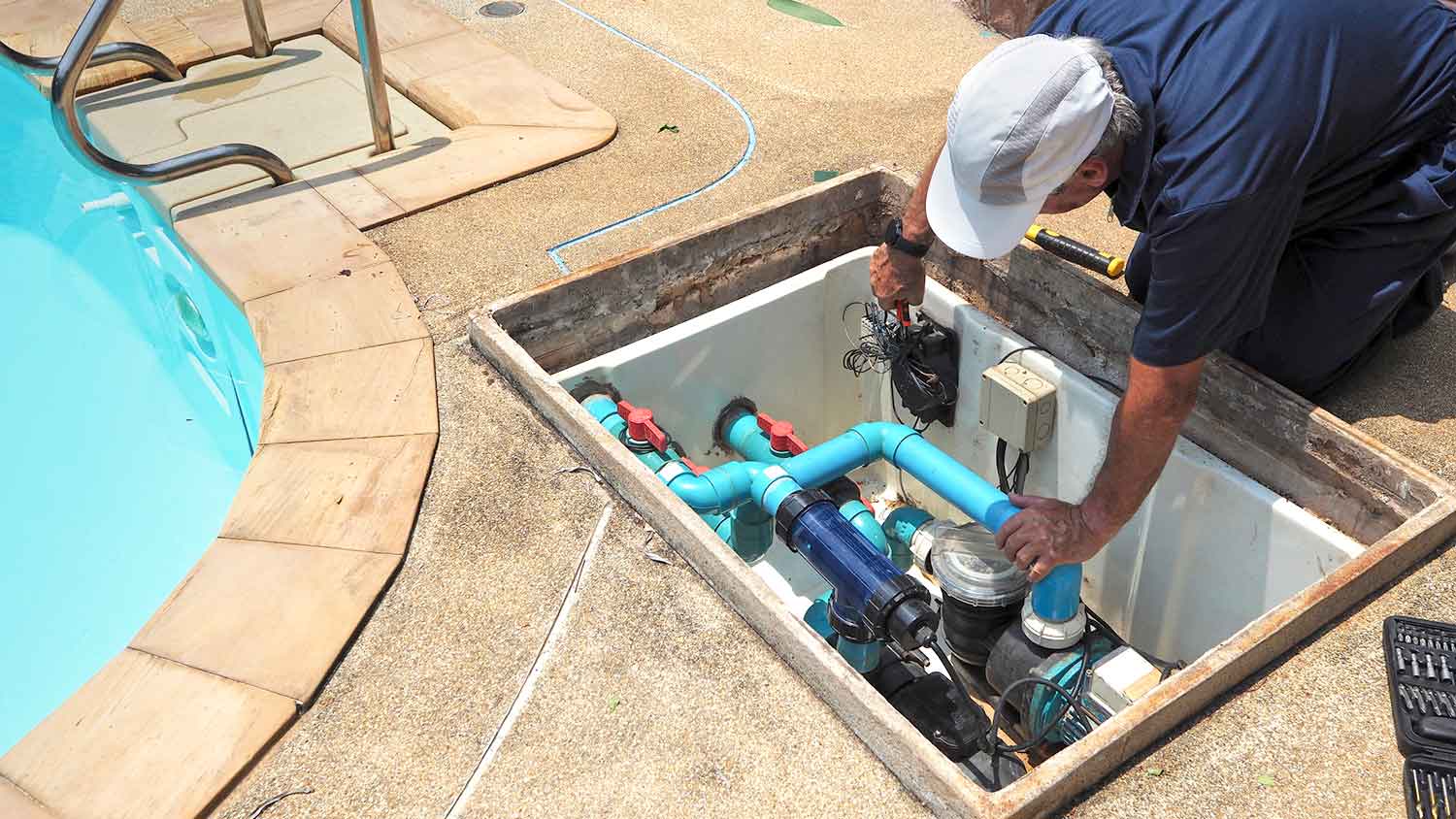







Top-rated pool and spa technicians.

Get matched with top pool and spa technicians in Naylor, MO

Enter your zip and get matched with up to 5 pros

Need a pro for your pool and spa servicing project in Naylor, MO?

Select your specific project to find the pro for you.

Find Pool and spa technicians in Naylor

Avatar for American Home Shield – Home Warranty
American Home Shield – Home Warranty
3.5(
5,688
)
Above Ground Swimming Pool or Accessories - Repair or ServiceHot Tub or Spa - Repair or ServiceIn Ground Swimming Pool or Accessories - Repair or Service+6 more

Serving Naylor, MO and surrounding areas

In business since 1971

Credit card accepted

"Rather than fix the issue the first 2 calls, more refrigerant was pumped into the system. This cost me $75 for each call plus the cost of the refrigerant. The 3rd time, they fixed a valve and refilled the refrigerant and I am monitoring to see if this really fixed the problem. So I am out $225 for service calls fro the same problem and the cost of the refrigerant. I think they take this approach intentionally."
Additional Photos
Additional Photos
Additional Photos
Additional Photos
Additional Photos

+2

Recommended by65%of homeowners
Pool and Spa Servicing questions, answered by experts

Generally, it is more cost-effective and energy-efficient to leave your hot tub on all the time rather than turning it on and off. Reheating a hot tub from a cold temperature consumes a significant amount of energy, so maintaining a constant temperature is usually more economical, especially with frequent use.

For daily or weekly use, it's recommended to keep the water at a constant, reduced temperature, such as between 80 and 95 degrees Fahrenheit, and then increase it to your desired temperature before getting in. If you know you won't be using the hot tub for an extended period, you can lower the temperature to save on energy costs. However, if you use it very infrequently, you can turn it off completely, as long as there is no risk of the water freezing.

To refill a hot tub after winter, start by opening up the tub and giving it a quick cleaning. If you use antifreeze, drain out the water then grab a hose and thoroughly clean the tub shell out, spraying water into each jet of the tub. 

Reconnect the hot tub and turn the power back on. When it’s time to fill the tub again, insert the hose into the filter well (if available). Avoid trapping too much air in the water lines, which can cause the pump to lock up when it starts again. Add the necessary chemicals and start the heating process. It will take some time—most of a full day—for the water to heat up again.

How often you change the water in your swim spa depends on how often you use it. Most manufacturers recommend changing the water every three to six months. If you use your swim spa throughout the seasons, it’s a good idea to set up a quarterly deep cleaning schedule. The ideal instructions should be in the owner’s manual.

A hot tub cover's lifespan is typically between three and seven years, with an average of five to seven years for a well-maintained one. The quality of the cover is a major factor; lower-quality polyester or vinyl soft covers can tear easily with regular use.

To extend the life of your cover, proper maintenance is key. This includes:

  • Keeping the cover clean, dry, and out of the sun. Use a soft cloth and mild dish soap for cleaning.

  • Applying a vinyl protectant spray.

  • Cleaning the underside with a chlorine spray.

  • Using a cover lift to prevent damage from rough handling.

  • Protecting it from harsh weather.

  • Keeping children and pets off the cover.

Investing in a high-quality cover and checking for a warranty at the time of purchase can also contribute to its longevity.

If you want to have a chemical-free spa, or if you are wondering how to keep your hot tub clean naturally, there are several options. Some individuals choose to run their hot tub without treatment at all and simply clean it more often (although you risk bacteria, fungi, and algae growth if you take this route); others use natural products like vinegar or Borax. Ozone, ultraviolet light, and electrolysis systems are also eco-friendly ways to have a clean hot tub without chemicals. Saltwater hot tubs are popular with people who are sensitive to chlorine, bromine, and other traditional hot tub chemicals.

The Naylor, MO homeowners’ guide to pool and spa services

From average costs to expert advice, get all the answers you need to get your job done.