





Top-rated sewer cleaners.

Get matched with top sewer cleaners in Marshall, MO

Enter your zip and get matched with up to 5 pros

Need a pro for your sewer cleaning project in Marshall, MO?

Select your specific project to find the pro for you.

Find Sewer cleaners in Marshall

Gash Plumbing, LLC
4.1(
64
)
Sewer Main - ClearSewer Main - Clear - For Business

Serving Marshall, MO and surrounding areas

Approved

In business since 1997

Free estimates

Credit card accepted

"Everyone from the first phone call to the end of the service call were very professional and got the job done. They had our septic tank cleaned out within a few hours of us calling them. We would definitely highly recommend them."
Response time2 days
13 neighbors recently requested a quote
Recommended by87%of homeowners

Sewer Cleaning questions, answered by experts

Toilet paper is the only material that you should flush down toilets. Other items like wipes, paper towels, feminine hygiene products, dental floss, and medications should be disposed of in the trash. Flushing these items can lead to plumbing issues and damage to sewage systems. Grease and cooking oils should also be avoided as they can solidify in pipes, causing blockages. Proper disposal helps prevent clogs and ensures the efficient operation of wastewater treatment systems while protecting the environment.

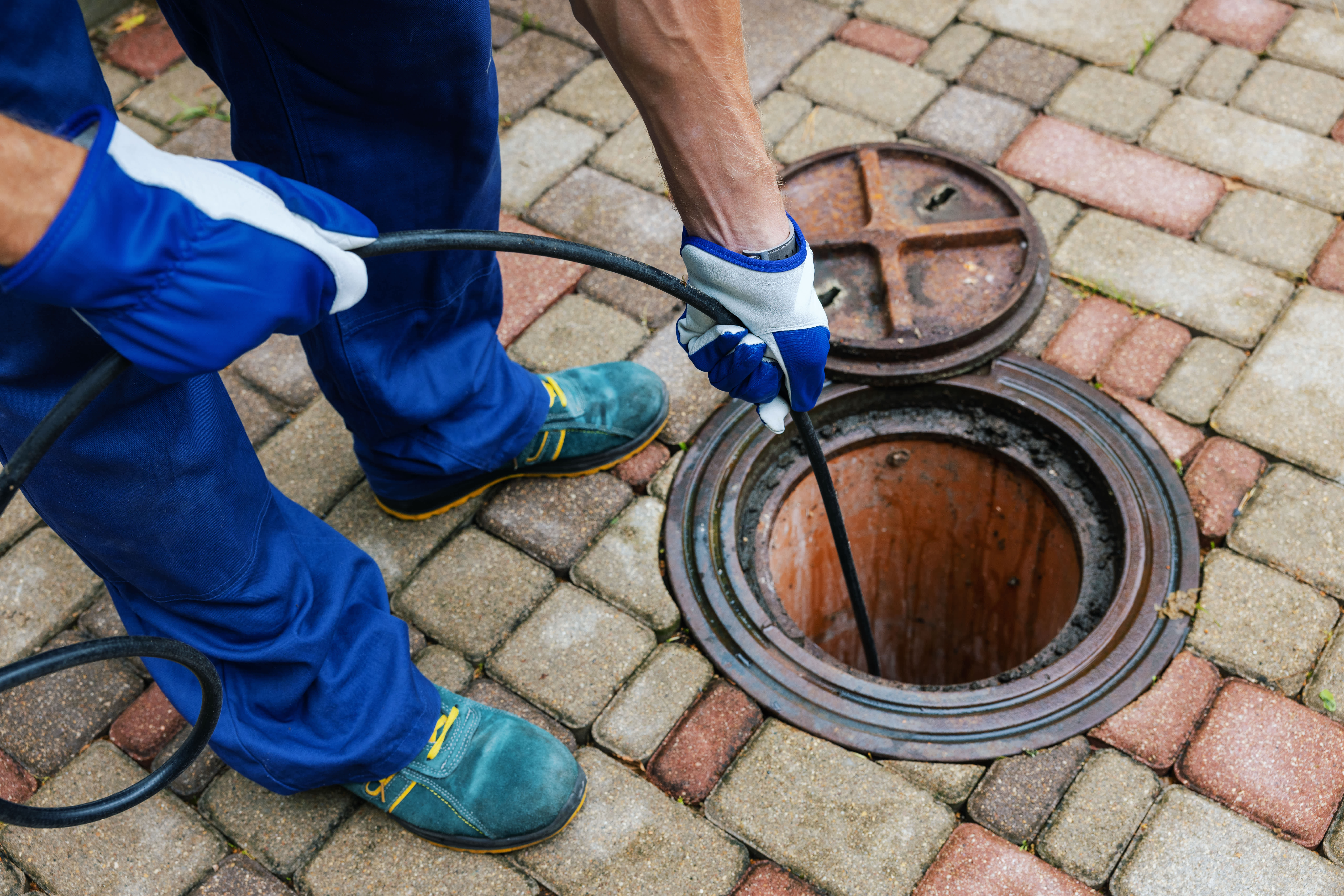
The cost to clean a sewer line is about $370, ranging from about $190 to $550 on average. The specific cleaning method and the problem's severity will impact the project's overall cost. Some of the most common sewer line cleaning methods include:

  • Snaking or rodding: $100–$250

  • Hydrojetting: $350–$600

  • Chemical treatments: $600–$1,000

  • Repair or replacement: $1,000–$7,500

Water leaking through your basement floor is a good sign of a clogged drain, but another sign of a clogged basement floor drain can include unpleasant odors coming from the drain. Also, hearing gurgling noises when water drains from the basement or having other plumbing fixtures (like toilets or other drains) backing up is a good indicator.

Depending on the home, wastewater either goes into a septic tank and seeps back into the backyard or is sent via sewer system to a local sewage-treatment plant. Septic systems naturally separate different components of the waste so that it can naturally and safely disperse it. They are usually reserved for homes not served by a municipal sewage department (like rural homes). A treatment plant, on the other hand, speeds up that process through screening and purification.

Simple blockages can be cleared using household plungers or manual snakes, provided no severe plumbing issues exist.

The Marshall, MO homeowners’ guide to sewer cleaning services

From average costs to expert advice, get all the answers you need to get your job done.