




Top-rated drywall pros.

Get matched with top drywall pros in Lake Ozark, MO

Enter your zip and get matched with up to 5 pros

Need a pro for your drywall service project in Lake Ozark, MO?

Select your specific project to find the pro for you.

TRUSTED BY LAKE OZARK, MO HOMEOWNERS

  • Average homeowner rating star icon4.1
    Average homeowner rating
  • Verified reviews icon33
    Verified drywall services reviews

Find Drywall pros in Lake Ozark

Avatar for Watowa Restoration LLC
Watowa Restoration LLC
4.6(
46
)
Drywall - InstallDrywall - Repair

Serving Lake Ozark, MO and surrounding areas

Approved

In business since 2017

Free estimates

Offers commercial services

"We had quite an unexpected situation when my husband accidentally fell through the ceiling, leaving a pretty big hole in our drywall. Watowa Restoration came to the rescue! Blake responded quickly, assessed the damage, and got everything repaired so smoothly you’d never even know there had been a hole there. The quality of his work was excellent — clean lines, perfect texture match, and he left the area spotless. He was professional, friendly, and made a stressful situation so much easier to deal with. I highly recommend him for any drywall repair or home repair needs!"
Full Kitchen Remodel
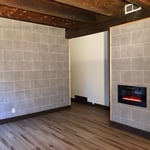
Fireplace build
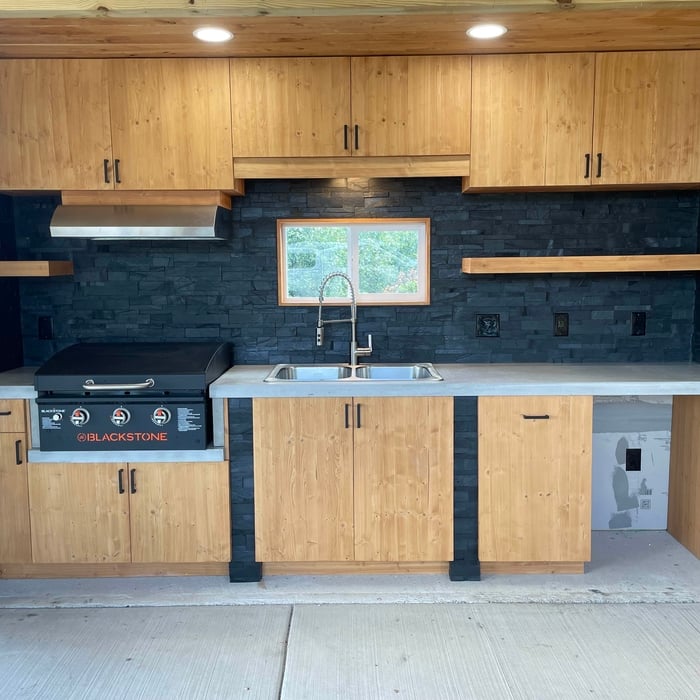
Outdoor Kitchen Build

+7

Response time2 days
Response rate100%
2 neighbors recently requested a quote

Missouri Home Improvement LLC
5.0(
2
)
Drywall - Repair

Serving Lake Ozark, MO and surrounding areas

Approved

In business since 2024

Free estimates

Offers commercial services

"Kyle responded quickly to my request for an estimate. I sent a picture of what we needed fixed. He gave me a reasonable quote and came out the same day and got it done. He repaired a section of vinyl siding that had come loose and ripped off in a storm. He fixed that and then proactively repaired and reinforced some other areas that were likely to come loose down the road. Great work."
Response time6 hrs
Response rate88%
...
Showing 1-10 of 111
Drywall questions, answered by experts

All plaster walls will crack over time due to normal house settling and expansion and contraction from temperature and moisture changes. Small, thin hairline cracks are generally not serious and are mostly a cosmetic issue. However, larger or more significant cracks can indicate structural problems.

Here's how to tell the difference:

  • Cosmetic Cracks: Cracks that are 0.5 cm (0.2 inches) or thinner are typically cosmetic.

  • Structural Cracks: Cracks wider than 0.5 cm, excessive or deep cracks, multiple cracks in the same area, or cracks that span around corners can signify a structural or foundation issue. Cracks along the joints where walls meet the ceiling also warrant attention.

For cracks wider than 0.5 cm, structural repair is needed. If a crack is 2.5 cm (1 inch) or wider, or if you notice any signs of a structural problem, it is best to contact a plaster repair professional to assess the damage.

To properly clean and maintain your skip trowel drywall texture, dust the surface weekly with an electrostatic duster or vacuum with a soft brush attachment. Never scrub the surface. You can remove stains by gently applying a mild detergent solution with a paint roller, removing it with a damp roller, and drying with a dry roller. To cut down on cleaning frequency, avoid indoor smoking and limit the use of fireplaces.

While it’s most common to sand plaster dry, it is possible to wet-sand plaster, too. Doing so can reduce the amount of plaster dust released into the air and make it easier to work in smaller, more delicate areas (such as around wall trim). However, some people find that wet sanding leads to more imperfections, which is why larger walls are more often dry sanded to ensure an even finish.

Beadboard is a decorative element and lacks the structural integrity of drywall. It cannot hold much weight and is not meant to be used as an insulator or moisture barrier, like drywall is. In almost all cases, beadboard is placed over an existing wall surface which, in modern days, is usually drywall, but decades ago could have been wood paneling.

You should not leave drywall outside, especially overnight or in a wet, humid climate. Exposure to rain and humidity can damage the drywall, weakening its structural integrity and making it susceptible to mold growth. If you must leave drywall outside during a project, be sure to cover it with a tarp or keep it inside a storage shed to protect it. Even drywall intended for exterior projects requires a protective moisture barrier. For best results, store any extra drywall in a dry area away from the elements.

The Lake Ozark, MO homeowners’ guide to drywall services

From average costs to expert advice, get all the answers you need to get your job done.