







Top-rated structural engineers.

Get matched with top structural engineers in Hamilton, MO

Enter your zip and get matched with up to 5 pros

Need a pro for your structural engineering project in Hamilton, MO?

Select your specific project to find the pro for you.

Find Structural engineers in Hamilton

Avatar for Advanced Foundation Repair & Replacement
Advanced Foundation Repair & Replacement
5.0(
30
)

Serving Hamilton, MO and surrounding areas

Emergency services offered

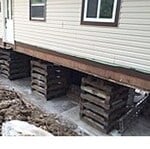
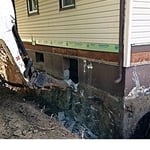
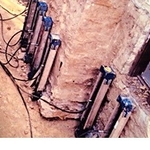
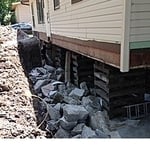
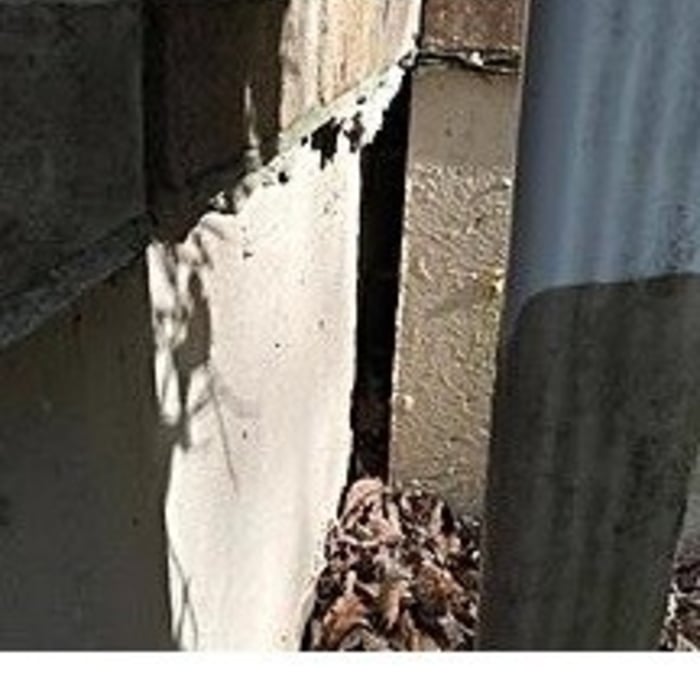
"Two years ago my wife and I noticed that our foundation was beginning to settle.  We had huge cracks in the dry-wall and our front door wasn't opening and closing properly. We decided to contact Advanced Foundation Repair and Replacement, owner Frank Matyiko.  He got a structural engineer to our house.  The engineer recommended that we needed twelve piers in order to fix our foundation.  the entire construction project went as planned.  Advance Foundation provided us with a transferable warranty in case we decided to sell our home. 
The overall experience was wonderful their crew was very professional and we would use them again and recommend them to anyone!!
"
Additional Photos
Additional Photos
Additional Photos
Additional Photos
Additional Photos

+2

Recommended by100%of homeowners
Structural Engineering questions, answered by experts

In framing, studs are placed at 16-inch intervals to coincide with the typical spacing of wall materials such as drywall or plywood. This spacing is called "on-center" and is necessary for maintaining structural stability and efficient use of materials. The 16-inch spacing also helps to distribute the weight evenly across the building's structure. For those looking to cut material costs and improve energy efficiency, 24-inch stud spacing can be employed through a method called "advanced framing". This requires careful planning and adherence to local building codes to ensure structural integrity.

Failure to compact the soil during construction is the most common cause of leaning retaining walls. In addition, poor drainage can lead to excessive water pressure behind a retaining wall, pushing against it until it begins to move forward away from the soil it is holding back.

Cathedral ceilings make a statement in your home, but at the cost of your attic space. Normal attics are wide open, which allows warm air to move around and exit your home. Because of this, cathedral ceilings make your home less energy efficient and put your ceiling at risk of venting issues if you’re not careful. They also reduce your attic storage space, potentially cause an echo, and even make it harder to change a light bulb.

Yes, you can build over a stump if the roots are no longer alive. Living roots will continue to grow and may damage your new construction over time. Similarly, you should also remove rotting stumps because they may continue to attract pests and even cause new structures (especially those made from wood) to decompose as well.

All foundations have footers, including monolithic slabs. In some cases, the foundation itself acts as the footer, as in the case of a floating slab and a monolithic slab. With a monolithic slab, the footers—which are just the bottom-most portion of the foundation that distributes loads down to stable soil—are a part of the main slab and are constructed with a single pour.

The Hamilton, MO homeowners’ guide to structural engineering services

From average costs to expert advice, get all the answers you need to get your job done.

What do you need done? We’ll find top pros.
  • 🌱 "Mow a small front yard"
  • 🛠 "Fix a leaking pipe under the sink"
  • 🏠 "Repair shingles on an asphalt roof"