


Top-rated excavation pros.

Get matched with top excavation pros in Greenwood, MO

Enter your zip and get matched with up to 5 pros

Need a pro for your excavation project in Greenwood, MO?

Select your specific project to find the pro for you.

TRUSTED BY GREENWOOD, MO HOMEOWNERS

  • Average homeowner rating star icon4.5
    Average homeowner rating
  • Verified reviews icon38
    Verified excavation services reviews

Find Excavation pros in Greenwood

Avatar for LA Landscaping
LA Landscaping
5.0(
147
)
Landscape - Minor Grading or ReslopingExcavation - Major Grading or Resloping

Serving Greenwood, MO and surrounding areas

Approved

Super Service Award Winner

In business since 2022

Free estimates

Emergency services offered

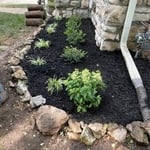
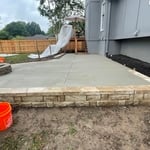
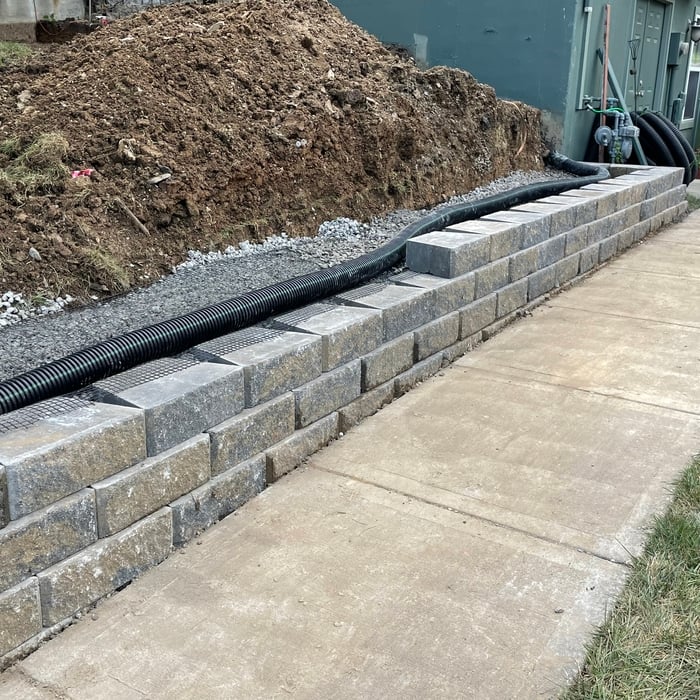
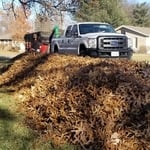
"Quickly stated, I strongly recommend LA Landscaping! They are quick, courteous, thorough and hard working. Now for the longer story… I was called shortly after posting my request for yard clean up on Angi’s List. The next morning Mike came by to give me an estimate on my project. We walked around and discussed in detail what I needed done and what they could do. The next day a crew of 6 using hedge trimmer, chainsaw, weed wacker, leaf blower, loppers, hatchets, wheelbarrow and tarps attacked my unruly yard. To be more specific my Yews were overgrown, I had weed-trees growing in my peonies and lilacs, and white mulberries growing in my chain link fence. I had notified my neighbors of the work I would be having done and not at all surprisingly they too asked for yard clean ups. I am sooo very happy with the end results. I took before and after pictures."
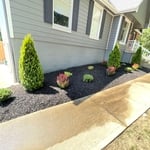
new landscaping
new landscaping
trim trees
new patio
retaining wall

+11

Response time5 hrs
19 neighbors recently requested a quote
Recommended by71%of homeowners
Avatar for S & S Outdoor Contracting LLC
S & S Outdoor Contracting LLC
5.0(
6
)
Landscape - Minor Grading or Resloping

Serving Greenwood, MO and surrounding areas

Approved

Free estimates

Offers commercial services

"Philip did a great job! I asked for some changes and some extra work, which he gladly did without raising the price from his original bid. I am very satisfied with the job and will be using him again."
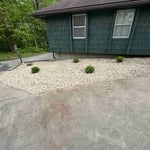
Rock bed
Rock bed
4 neighbors recently requested a quote
...
Showing 1-10 of 171
Excavating questions, answered by experts

No, fire blight does not survive free in the soil but instead is carried through insects, animals, rain, or wind during the spring. Keep in mind that it can also spread on tools, which is why you should always disinfect them in between cuts.

Trenches are typically 12 to 24 inches deep and 8 inches wide. However, the required depth depends on the specific project and local ordinances. For example, a French drain may need to be 18 inches deep, while a water pipe might require a depth of 24 inches and a drainage pipe 36 inches. Your city or county may have specific regulations, so it's wise to consult with an excavation professional to determine the correct depth for your project.

Trenching and boring are two distinct methods for installing underground utilities. Trenching involves digging a channel using equipment like an excavator, trencher, backhoe, or shovel. While it is a simpler process, it causes significant disruption to the surface, landscaping, and surrounding ecosystems.

Boring, also known as directional boring, is a less invasive alternative that uses a drill to create a tunnel for utility lines without disturbing the surface. This method is more precise and is ideal for installations that need to go underneath buildings, roads, or bodies of water. Although boring is less disruptive, it is generally more expensive than trenching.

Sewer lines can be buried anywhere from 18 inches to 8 feet deep, with a common average depth between 18 and 30 inches. The exact depth depends on local factors like climate and soil type. In colder regions, pipes must be buried deeper (below the frost line) to prevent freezing, sometimes as deep as 8 feet. The digging depth can also impact the cost of sewer line replacement. To find the specific depth for your property, you can check the building plans for your system, which should be on file with your city or local sanitation department since permits are required for installation.

Concrete blocks are the cheapest way to base a shed. However, the space in between allows critters to go under, burrow, and even damage your shed’s frame. For a more pest-proof option, consider building a shed base with gravel or paver stones. Both options are fairly affordable and easy enough for a DIY project. For gravel, you can build a wooden frame to contain the loose material.

The Greenwood, MO homeowners’ guide to excavation services

From average costs to expert advice, get all the answers you need to get your job done.