






Top-rated energy efficiency auditors.

Get matched with top energy efficiency auditors in Gray Summit, MO

Enter your zip and get matched with up to 5 pros

Need a pro for your energy efficiency auditing project in Gray Summit, MO?

Select your specific project to find the pro for you.

Find Energy efficiency auditors in Gray Summit

Avatar for Foam Engineers
Foam Engineers
4.8(
229
)
Home Energy Audit

Serving Gray Summit, MO and surrounding areas

In business since 1988

Free estimates

Credit card accepted

"Mindy arrived on time and did a complete inspection of our attic and took photos to show us the work that needed to be done to make our home more energy efficient. The installers arrived on time, did the necessary repairs, installed the insulation and cleaned up when they were finished. They also took photos showing us the completed job. A bonus that we didn't expect is that the house is much quieter! They are extremely professional and I highly recommend them!"
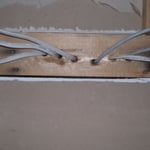
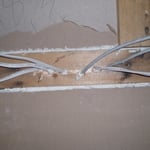
Top Plates/ Wiring
Top Plate / wiring
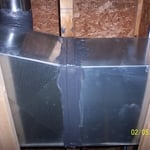
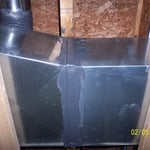
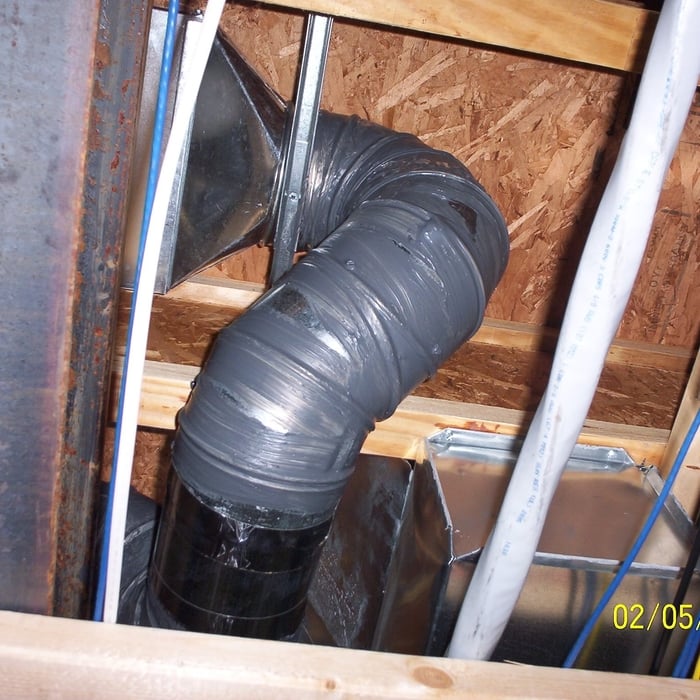
Sealed Duct Work
Sealed Duct Work
Sealed Duct Work

+17

Response time9 hrs
Recommended by98%of homeowners

Tri State Solar Power, LLC
New to Angi
Home Energy Audit

Serving Gray Summit, MO and surrounding areas

In business since 2019

Free estimates

We take great pride our experience, expertise, quality, and customer service that we provide to meet the consumers' needs. It is our mission to provide excellent workmanship, and complete customer satisfaction from start to completion of a project. order to understand the needs, and expectations of our customers, we take great care to work, and communicate with every customer a professional manner. Our reputation is based on service, safety, and quality, regardless of how large or small the job.

Energy Efficiency Auditing questions, answered by experts

R-value is calculated by dividing the thickness of an insulation material by its thermal conductivity. The material's composition and density influence thermal conductivity. Materials with lower conductivity values provide better insulation. The higher the R-value, the better the material is at insulating, helping homeowners select insulation that meets the energy needs of their climate and home layout.

Window AC units use a fair amount of electricity, but significantly less than central AC systems. Because they are more energy-efficient for cooling individual rooms or small spaces, their usage is comparatively low. On average, a window AC unit consumes between 500 and 1,400 watts, while a central AC system uses over 3,500 watts—meaning a window unit uses about one-third of the energy. This typically translates to a monthly running cost of $15 to $40, although this can vary depending on external factors.

If you have central air conditioning, it’s fine to run your AC all day if that’s what you want—as long as the AC unit is in good condition. But if your AC runs constantly when you don’t want it to, there may be a problem with your system (like the ones we’ve mentioned above). Window AC units and wall air conditioners aren’t as powerful as central AC, so you should only run those kinds of air conditioners for eight to 12 hours at a time.

Audits typically take 2-4 hours, depending on the property size and energy systems.

If you want a new boiler that’s going to help lower your fuel bills, you should buy one that has a high energy-efficiency rating. For example, a boiler that is rated “A” uses at least 90% of the energy created by the boiler. And in order to enjoy the best performance, it’s important to have it installed properly by a highly-rated tech.

The Gray Summit, MO homeowners’ guide to energy efficiency auditing services

From average costs to expert advice, get all the answers you need to get your job done.