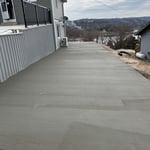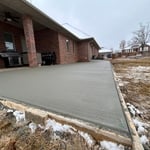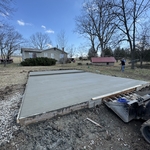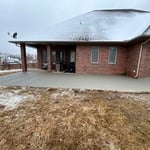


Top-rated concrete resurfacing pros.

Get matched with top concrete resurfacing pros in Goodman, MO

Enter your zip and get matched with up to 5 pros

Need a pro for your concrete resurfacing project in Goodman, MO?

Select your specific project to find the pro for you.

TRUSTED BY GOODMAN, MO HOMEOWNERS

  • Average homeowner rating star icon4.5
    Average homeowner rating
  • Verified reviews icon12
    Verified concrete resurfacing reviews

Find Concrete resurfacing pros in Goodman

Avatar for GGG CONSTRUCTION
GGG CONSTRUCTION
5.0(
3
)
Concrete Flatwork - Repair & ResurfaceConcrete Flatwork - Repair & Resurface- For Business

Serving Goodman, MO and surrounding areas

In business since 2017

Free estimates

Emergency services offered

"Johnny and his brother are great.(CCG) They were professional. Work was exemplary. Very fair price I will recommend them to anyone. I wish I could show pictures here and show the great job. They cleaned up after themselves. The complete demolition and new driveway was done in a timely manner."
Patio
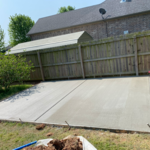
Patio
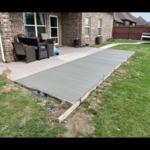
Patio
Recommended by100%of homeowners
Concrete Craft of Springfield
5.0(
3
)
Concrete Flatwork - Repair & Resurface- For Business

Serving Goodman, MO and surrounding areas

In business since 2021

Free estimates

Credit card accepted

"The crew was extremely professional, treated my home with the respect that I demanded, and they provided a great value. Everything turned out exactly as they said it would, went above and beyond to make sure we were satisfied with the end product. They were really good people to work with and I would highly recommend them!"
Response time3 days
Recommended by100%of homeowners
Showing 1-10 of 36
Concrete Resurfacing questions, answered by experts

You can apply an exposed aggregate finish to existing traditional concrete, but you’ll need to resurface the concrete and include aggregate in the top layer of concrete. You’ll also need to prepare the surface beforehand to ensure a good bond between the materials. Adding exposed aggregate is a job best handled by a concrete professional.

A concrete overlay on an existing slab can range from 1/4 of an inch to 2 inches thick, though a minimum of 2 inches is often recommended to ensure stability and quality. The ideal thickness depends on the condition of the existing concrete and the depth of any planned designs or imprints. Before applying the overlay, it's important to repair and clean the surface, then apply a primer. For specialized work like a stamped concrete overlay, hiring an experienced contractor is recommended to determine the correct thickness and ensure the new layer isn't too high or heavy. For context, most standard concrete slabs are between 4 and 6 inches thick.

Concrete contractors typically charge anywhere from $6 to $14 per square foot. Cost factors include job size, site prep, base material, accessibility, your location, concrete finish, and concrete thickness. Removal of existing concrete, asphalt, deck, pavers, and grass will cost anywhere from $1 to $6 per square foot. Homeowners can often save money by removing and disposing of existing pavers, decks, and grass. Breaking up and hauling away concrete and asphalt is difficult and time-consuming without the proper equipment and may be worth having the pros do that work.
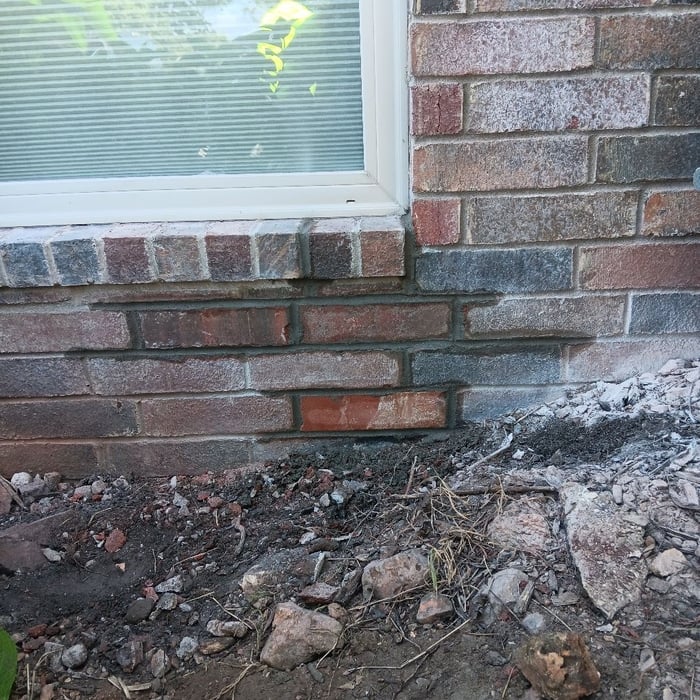
Yes, adding a patio or other concrete feature can increase your property taxes, particularly if it's considered a permanent improvement. The general rule is that if the project requires a permit, your property taxes will likely go up.

Permanent structures like a poured concrete patio are considered capital improvements that require a permit, which will trigger a reassessment of your property's value. Other concrete projects that typically increase taxes include:

  • Pool decks

  • Walkways

  • Driveways

  • Steps

  • Foundations

In contrast, 'temporary' installations, such as a paver or flagstone patio, may not require a permit and are less likely to affect your property taxes.

Permit costs for a concrete patio can range from $75 to $200. While the tax increase varies based on your location and the project's size, it is often a minimal amount. Always contact your local building department before starting a project to confirm permit requirements and any potential impact on your taxes.

You can seal a concrete slab by cleaning the surface, filling in any cracks, etching the surface, applying a sealer, and letting it dry. Concrete slabs don't typically need sealing, but you can use a topical concrete sealer if you notice signs of water damage. If you haven't already fixed the cause of the leak, then you'll want to repair the plumbing before you seal a concrete slab.

The Goodman, MO homeowners’ guide to concrete resurfacing

From average costs to expert advice, get all the answers you need to get your job done.