


Top-rated plant watering pros.

Get matched with top plant watering pros in Forsyth, MO

Enter your zip and get matched with up to 5 pros

Need a pro for your plant watering project in Forsyth, MO?

Select your specific project to find the pro for you.

TRUSTED BY FORSYTH, MO HOMEOWNERS

  • Average homeowner rating star icon3.9
    Average homeowner rating
  • Verified reviews icon82
    Verified plant watering services reviews

Find Plant watering pros in Forsyth

Avatar for Alex Hart
Alex Hart
New to Angi
Lawn Care - Maintain and Mow a Lawn

Serving Forsyth, MO and surrounding areas

Approved

Emergency services offered

Credit card accepted

Offers commercial services

Dependable, detail-oriented mechanical and repair services tailored to your needs. I bring years of hands-on technical experience in equipment maintenance, small engine repair, general mechanical troubleshooting, and property repairs. I pride myself on safety, honest communication, and delivering quality workmanship that lasts. Reach out today to discuss your project!

Avatar for Clover's Lawn and Landscaping
Clover's Lawn and Landscaping
5.0(
4
)
Lawn Care - Maintain and Mow a Lawn

Serving Forsyth, MO and surrounding areas

In business since 2005

Free estimates

Emergency services offered

"Clover lawn called me within 24 hours of the request. They communicated regularly with me, gave me a very reasonable estimate and stayed in touch. The job was completed above and beyond expectations, they even did a final mow after the leaves were removed - even though it wasn't part of the original estimate, without an additional charge. The yard, flower beds and driveway were immaculate. Will use again, they are excellent and very nice people."
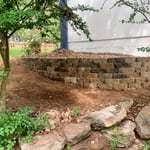
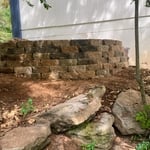
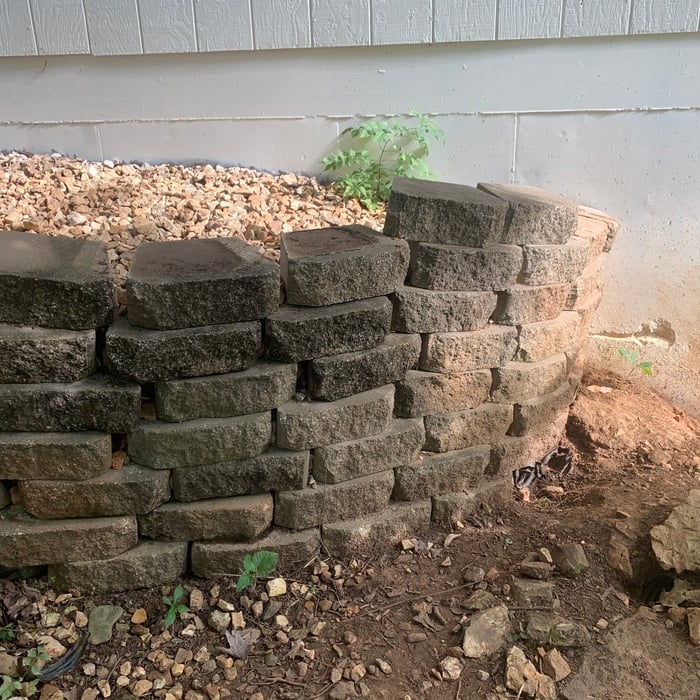
START RETAINNING WALL
 FINISHED DRIVEWAY
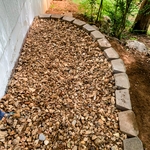
 6 inches of leaves
LOWER LEVEL DRIVEWAY
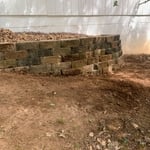
 STARTING AFTER DIGGING

+11

Recommended by100%of homeowners

Avatar for W&W Home Services & Repair LLC
W&W Home Services & Repair LLC
5.0(
9
)
Lawn Care - Maintain and Mow a Lawn

Serving Forsyth, MO and surrounding areas

In business since 2025

Free estimates

Small jobs welcome

"1st job was to closely inspect the entire outside of our home for any possible exterior entry of pest into our home; the second job was as follows: 1. Wash and clean the metal roof of our home and carport. 2. Replace and Repair a wooden step going down into the lower yard, 3. Completely remove, replace and re-paint the wood siding on one side of our in storage shed - this included the removal and replacement of windows; and 4. Remove and replace old metal gutter guards with new tight fitting multi-polymer gutter guards. All materials for this work were brought onsite by W & W and matched up perfectly for the job(s) ."
Response time4 hrs
Response rate100%
...
Showing 1-10 of 86
Plant Watering questions, answered by experts

Although they have similar applications, spackle and joint compound are not the same. Their primary differences lie in their composition, consistency, and ideal use cases.

Spackle is composed of gypsum and binding agents, making it thicker than joint compound. It dries quickly and is easy to sand, which makes it ideal for small wall repair projects like filling nail holes or patching minor damage.

Joint compound, also known as drywall mud, consists of limestone and gypsum. It is primarily used for large-scale projects, such as taping and finishing the seams on newly installed drywall. It tends to shrink more than spackle and can be more difficult to spread.

While both products can be used to fill small depressions and cracks, spackle cannot replace joint compound for taping and mudding new drywall. Conversely, you can often use joint compound for small patching jobs typically done with spackle.

To hide drywall edges, you need to properly apply drywall tape and multiple layers of joint compound. These materials hide the seams between drywall sheets and fill the holes from drywall screws, leaving behind a smooth, flat finish to paint over. Apply joint compound smoothly, and finish the job by sanding the walls to make sure you fully hide drywall edges and other imperfections.

Yes, as drywall mud is going to have some uneven spots and bumps after application. Such imperfections are going to be visible after everything dries and even after you paint the wall, so you want to remove them. Learning how to sand drywall, taking your time, and following drywall sanding tips can help you have the best results.

A utility knife is sharp enough to score the drywall and it may work in a pinch for outlet box holes. However, one of the best tools for drywall when you need to make exact cuts for an outlet box quickly is a drywall saw. This handheld tool has a longer blade than a utility knife, so it penetrates the thickness of the drywall easily. The design of its handle and the teeth in its blade make it easier to control while cutting quicker than you can with a utility knife.

There are six levels of drywall finish, from 0 to 5, that refer to the amount of work performed during the finishing process.

Level 0: Drywall is hung with no finishing work.

Level 1: Tape is placed over the seams between drywall sheets.

Level 2: A thin layer of mud is applied over the tape and screw holes. This level is common for utility rooms or walls that will be covered.

Level 3: A full coat of mud covers the screw holes and tape, but the surface is not sanded. This is often used in garages.

Level 4: This is the most common finish for visible interior walls. It involves applying two coats of mud over seams and screw holes, with sanding between each coat, creating a smooth surface ready for flat paint.

Level 5: This is a high-end finish for luxury homes. It includes full taping, mudding, and sanding, plus a final skim coat over the entire surface before painting.

The Forsyth, MO homeowners’ guide to plant watering services

From average costs to expert advice, get all the answers you need to get your job done.