Top-rated concrete resurfacing pros.

Get matched with top concrete resurfacing pros in Edwards, MO

Enter your zip and get matched with up to 5 pros

Need a pro for your concrete resurfacing project in Edwards, MO?

Select your specific project to find the pro for you.

TRUSTED BY EDWARDS, MO HOMEOWNERS

  • Average homeowner rating star icon3.9
    Average homeowner rating
  • Verified reviews icon15
    Verified concrete resurfacing reviews

Find Concrete resurfacing pros in Edwards

Elliott Construction
4.8(
2
)
Concrete Flatwork - Repair & Resurface

Serving Edwards, MO and surrounding areas

Approved

In business since 2023

Free estimates

Credit card accepted

"They got my drive way finished as quickly as they said it would be done and it looks amazing. Everyone working was very kind and respectful to the rest of my property. I would definitely recommend going with them for your concrete and construction needs."
Response time2 days
4 neighbors recently requested a quote
Recommended by100%of homeowners
Demolition
4.0(
4
)
Concrete Flatwork - Repair & ResurfaceConcrete Flatwork - Repair & Resurface- For Business

Serving Edwards, MO and surrounding areas

Approved

Customers say: True professional

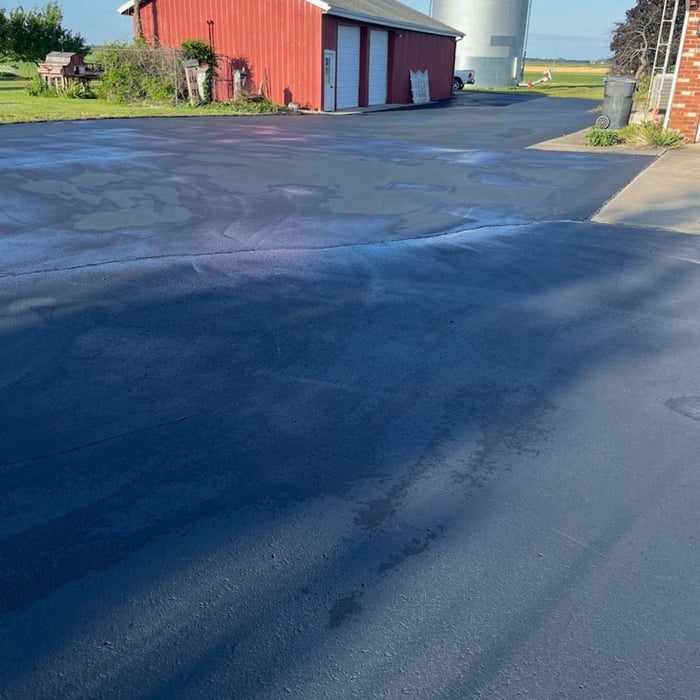
"We had a wonderful experience. Jeff was very easy to work with, responded quickly when we had questions, and the work they did on our long private driveway was exceptional. Would definitely recommend them to anybody looking for some asphalt work!"
24 neighbors recently requested a quote
Recommended by75%of homeowners
Showing 1-10 of 29
Concrete Resurfacing questions, answered by experts

How often you should resurface your pool deck depends on its material and condition. Concrete pool decks should be resurfaced every two to five years. Decks that are exposed to harsh heat and UV light may need to be sealed more often than ones that are mostly shaded.

Yes, professionals can customize concrete surfaces with a variety of decorative options. Common choices include stamping, staining, polished concrete, and exposed aggregate to enhance the aesthetic appeal.

You can dry pour concrete over existing concrete, but it’s best to use wet pour concrete instead. Dry pour concrete is easier to apply, but in order for new concrete to adhere to old concrete, it needs the right mixture for slow, uniform curing. Additionally, dry pour concrete is less durable and less resistant to cracking and concrete sinking, so dry pouring over an existing slab may result in surface imperfections appearing prematurely.

Like all concrete, pervious concrete is susceptible to cracking due to expansion and contraction from freezing and thawing or heavy weight. Pervious concrete, however, is less likely to crack due to moisture intrusion than traditional concrete since pervious concrete is designed to drain and hold water in the material’s voids.

Concrete resurfacing is the process of applying a new, thin layer of concrete over an existing concrete slab to enhance its appearance and durability. The terms 'concrete resurfacing' and 'concrete overlay' are often used interchangeably, though the exact meaning can vary between contractors. Generally, both refer to applying a layer of pre-blended concrete, typically between 1/4-inch and 1-inch thick. Some contractors may use 'overlay' to describe a thicker application that adds structural integrity, while 'resurfacing' might refer to a thinner, more cosmetic layer. This process is a cost-effective alternative to completely replacing the concrete, as it uses significantly less material than pouring a new 4-inch slab. Resurfacing also provides an opportunity to add new colors or stamped textures. Other names for this process include concrete restoration, concrete refinishing, and concrete rejuvenation.

The Edwards, MO homeowners’ guide to concrete resurfacing

From average costs to expert advice, get all the answers you need to get your job done.