



Top-rated concrete resurfacing pros.

Get matched with top concrete resurfacing pros in Hermitage, MO

Enter your zip and get matched with up to 5 pros

Need a pro for your concrete resurfacing project in Hermitage, MO?

Select your specific project to find the pro for you.

Find Concrete resurfacing pros in Hermitage

Elliott Construction
4.8(
2
)
Concrete Flatwork - Repair & Resurface

Serving Hermitage, MO and surrounding areas

Approved

In business since 2023

Free estimates

Credit card accepted

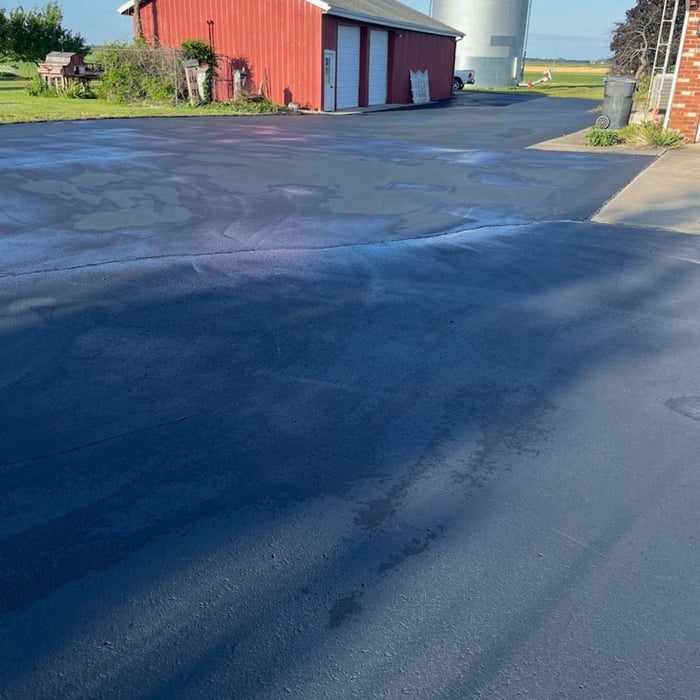
"They got my drive way finished as quickly as they said it would be done and it looks amazing. Everyone working was very kind and respectful to the rest of my property. I would definitely recommend going with them for your concrete and construction needs."
Response time2 days
3 neighbors recently requested a quote
Recommended by100%of homeowners
Sutton Flatwork Concrete, LLC
0.0(
3
)
Concrete Flatwork - Repair & ResurfaceConcrete Flatwork - Repair & Resurface- For Business

Serving Hermitage, MO and surrounding areas

In business since 1982

Free estimates

Sutton Flatwork Concrete, LLC, has over 30 years experience. We have always maintained a great relationship with all our clients. Top quality work and excellent customer service is the reason we have been successful. We also offer other services that include; sidewalks, parking lots, curbs and gutters, roads and footers, and staining of concrete. We are the all in one for your concrete needs. Call today for a free estimate.

Recommended by50%of homeowners
Showing 1-10 of 23
Concrete Resurfacing questions, answered by experts

Pervious concrete should be between 4 and 8 inches thick to drain water properly. Surfaces like parking lots and driveways should be at least 6 inches thick to accommodate the weight of vehicles, while patios and walkways may be poured between 4 and 6 inches thick. There’s no standard for pervious concrete thickness, but in most cases, the more weight the surface will need to hold, the thicker it should be.

You can seal a concrete slab by cleaning the surface, filling in any cracks, etching the surface, applying a sealer, and letting it dry. Concrete slabs don't typically need sealing, but you can use a topical concrete sealer if you notice signs of water damage. If you haven't already fixed the cause of the leak, then you'll want to repair the plumbing before you seal a concrete slab.

For thin driveway cracks that aren’t widening or lengthening, a polyurethane crack filler is usually the best way to seal the crack and prevent further damage from water and ice. If you have cracks that are more than ⅛-inch wide or driveway cracks that continue to grow, you should call in a professional driveway repair company to fix underlying problems—like insufficient support from the soil underneath—before filling in the cracks. An epoxy sealant is a better option for wider cracks after the surface is leveled and the underlying problem is fixed.

By reinforcing with fibers, sealing surfaces, and ensuring correct drainage.

If your cement garage floor is sinking and cracking, your first step should be to call a local structural engineer to assess the problem. They can determine if it’s a minor amount of sinking related to normal settlement or if the issue is structural in nature. If you do have structural damage, the engineer or a foundation repair company that you hire will come up with a plan to fix the issue, which often consists of mudjacking for less severe issues or underpinning for more extensive problems.

The Hermitage, MO homeowners’ guide to concrete resurfacing

From average costs to expert advice, get all the answers you need to get your job done.