




Top-rated concrete resurfacing pros.

Get matched with top concrete resurfacing pros in Deepwater, MO

Enter your zip and get matched with up to 5 pros

Need a pro for your concrete resurfacing project in Deepwater, MO?

Select your specific project to find the pro for you.

Find Concrete resurfacing pros in Deepwater

Elliott Construction
4.8(
2
)
Concrete Flatwork - Repair & Resurface

Serving Deepwater, MO and surrounding areas

Approved

In business since 2023

Free estimates

Credit card accepted

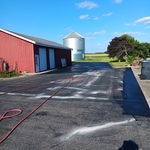
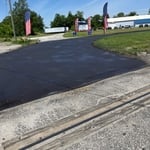
"They got my drive way finished as quickly as they said it would be done and it looks amazing. Everyone working was very kind and respectful to the rest of my property. I would definitely recommend going with them for your concrete and construction needs."
Response time2 days
3 neighbors recently requested a quote
Recommended by100%of homeowners
Showing 1-10 of 24
Concrete Resurfacing questions, answered by experts

Seal joints, clean debris regularly, and address cracks promptly to maintain appearance and stability.

The ideal base for concrete is even, firm, and permeable to encourage drainage. Depending on your project's weight requirements, a combination of gravel, sand, or other aggregates is best. While you can technically pour concrete over grass, dirt, or an old piece of concrete, you risk threatening the concrete's stability.

A concrete overlay on an existing slab can range from 1/4 of an inch to 2 inches thick, though a minimum of 2 inches is often recommended to ensure stability and quality. The ideal thickness depends on the condition of the existing concrete and the depth of any planned designs or imprints. Before applying the overlay, it's important to repair and clean the surface, then apply a primer. For specialized work like a stamped concrete overlay, hiring an experienced contractor is recommended to determine the correct thickness and ensure the new layer isn't too high or heavy. For context, most standard concrete slabs are between 4 and 6 inches thick.

No, wet concrete will not bond to dry concrete without an additional bonding agent. The common alternative is adding a sand or gravel layer under a concrete slab to enhance bonding and create a stable foundation. The right choice depends on the height and thickness of your two slabs, local laws, and the use of the specific concrete slab.

How often you should resurface your pool deck depends on its material and condition. Concrete pool decks should be resurfaced every two to five years. Decks that are exposed to harsh heat and UV light may need to be sealed more often than ones that are mostly shaded.

The Deepwater, MO homeowners’ guide to concrete resurfacing

From average costs to expert advice, get all the answers you need to get your job done.