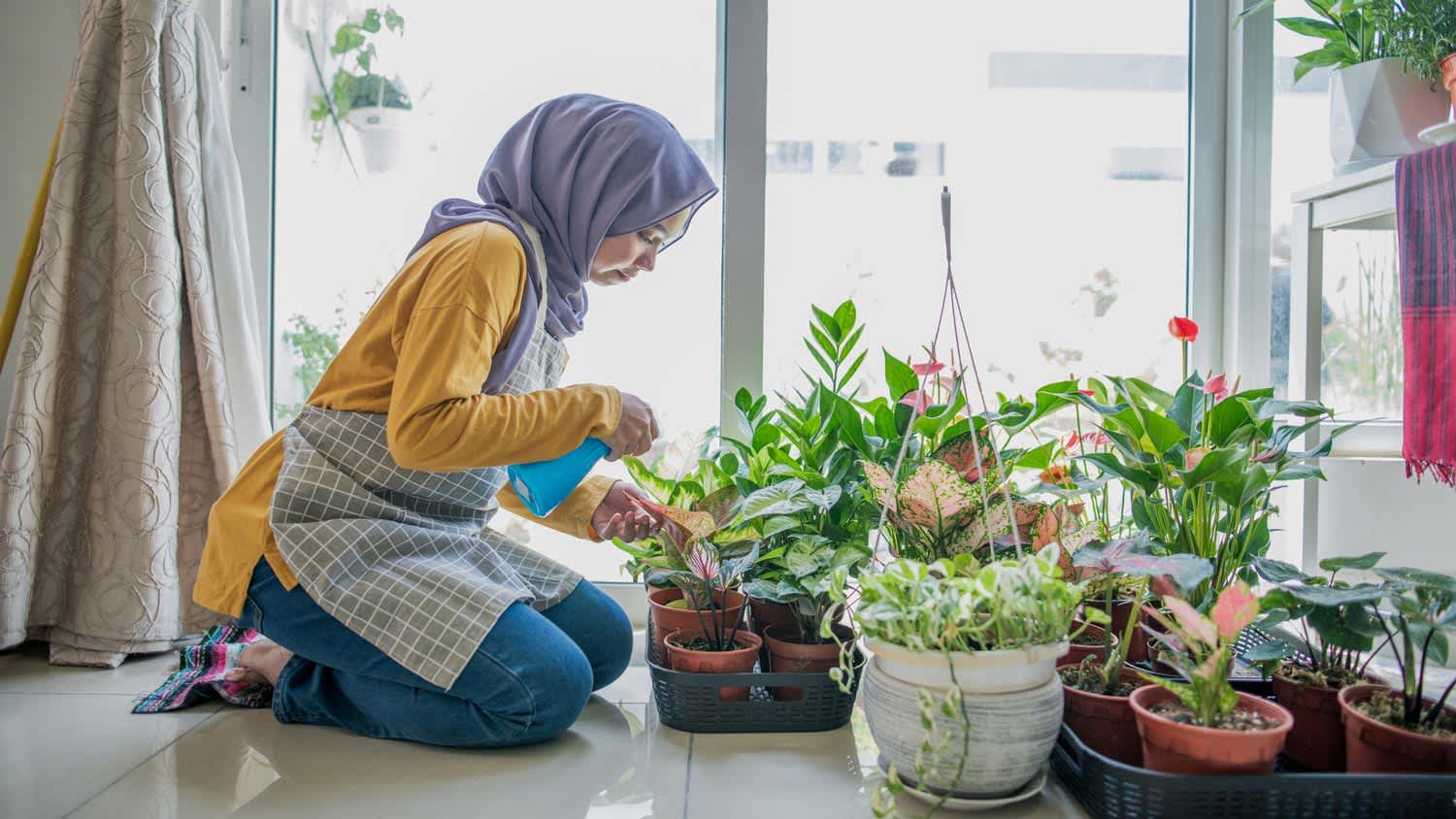








Top-rated plant watering pros.

Get matched with top plant watering pros in Clinton, MO

Enter your zip and get matched with up to 5 pros

Need a pro for your plant watering project in Clinton, MO?

Select your specific project to find the pro for you.

Find Plant watering pros in Clinton

No results for Plant watering pro in

Try adjusting your search criteria.
Plant Watering questions, answered by experts

Yes, drywall nail pops are a common occurrence in homes, both new and old, resulting from the settling and shifting of the structure over time. Though not present in every room or on every wall, encountering nail pops in different sections of a home is not unusual, particularly if the temperature, humidity, or foundation has experienced changes.

The time it takes for thinset to dry is determined by your room’s ambient temperature and humidity levels. Assuming the average humidity level is around 40% with an average temperature of 70 degrees Fahrenheit, thinset can dry within 48 hours. Lower temperatures and higher humidity can extend the curing process beyond 72 hours, while high heat and zero humidity can shorten the curing process. However, thinset can crack if it dries too fast.

Very little. One inch of water can stain walls, warp wood, and create a perfect environment for mold growth. One to two inches of water can do significant damage to drywall, insulation, and electrical systems. Anything over that is considered an extensive flood, often resulting in severe structural damage.

While not always necessary, you can glue a drywall ceiling in addition to using screws or nails. Drywall is typically secured to ceiling joists with fasteners, which is often sufficient. However, adding construction adhesive can offer benefits like preventing sagging, bridging gaps, and reducing air leaks for better energy efficiency. It may also be used for specific acoustic or insulation needs. On the other hand, many professionals advise against it because properly placed screws make the drywall structural, glue doesn't add strength, and it makes future repairs or replacements significantly more difficult. Ultimately, it's best to follow local building codes and project-specific requirements to decide if adhesive is right for your ceiling.

Most drywall used for interior walls of homes is 1/2-inch thick. This size strikes a balance of being easy to handle and hang while being thick enough for the durability needed on interior wall applications.

The Clinton, MO homeowners’ guide to plant watering services

From average costs to expert advice, get all the answers you need to get your job done.