




"Showed up on time, very courteous and professional........ We bought a water softener ourselves, and Dave basically installed it for us......he provided all the material necessary to do the installation. Would recommend him to anyone....... Thanks Dave! "

Serving all of South Central Minnesota and beyond, the professionals at Culligan Water Conditioning are the go-to, full service water conditioning specialists you can trust! Call now for a consultation! Over 60 years in business!
With over 30 years of experience serving the Albert Lea area, Master Plumbing of Albert Lea, LLC, is your solution for all your plumbing needs. We take great pride in our extreme professionalism, timeliness and superior customer service on every job. We make sure to develop a lasting relationship so that the next time service is needed there will be no question on who to call. Satisfaction guaranteed!
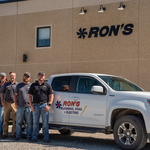
Ron's Plumbing, HVAC, and Electric is your first choice for professional residential and commercial service. We also offer Generac Generator sales, installation, and service. Check out our custom Reverse Osmosis (R/O), Water Softener, and Whole House Filter Systems that are unique only to Ron's and built in-house. With years of knowledge and the experience we are able to quickly consult and determine your household needs. Remodeling? Give us a call! Have a commercial project? No job is too big or too small for us. We proudly serve Southern Minnesota with affordable and efficient service. Give us a call today! 507-553-5848
The average cost to install a water softener, including the system and labor, is approximately $1,500. However, the total price can range widely from $600 to $6,000. For some complete systems, the cost may be between $800 and $2,500. Labor for the installation typically costs between $150 and $1,000.
The final price is influenced by several factors, including:
System type, capacity, and complexity
Home size and household water demands
Water hardness levels
Accessibility of the installation site and the extent of plumbing work required
Whether new electrical work is needed
The professional hired and any local permit costs
No. You should never directly drain a water softener into a sewer cleanout. This practice is illegal in many areas because it could allow raw sewage to get into your drinking water and make you seriously ill. Many places have codes requiring a specific seal, pipe, and a large air gap between a water softener and a sewage cleanout. Check out Florida's Plumbing Building Code as an example of what these restrictions might look like.
If your ‘do isn’t doing what you want it to do despite using good hair care products, hard water might be to blame. Since hard water can’t rinse soap off as well as soft water can, your hair might grow limp because of the shampoo and conditioner residue that’s left behind. If you color your hair, you might see it fade more quickly or even turn a different shade as the dye reacts with the minerals in the water. You might also experience an itchy scalp, thanks to the dryness that comes from bathing in the hard water.
To get utilities set up on a property, you first have to contact the local department of planning to determine whether your property is able to connect to public utilities. From there, you can work with a structural engineer and/or a building contractor to design the layout of utility lines on the property. The pros will need this information as they begin securing building permits before they can start adding lines.
If your property isn’t able to connect to public utilities, you’ll need to consider working with pros to develop a comfortable off-grid home that will meet your needs.
Hard water is not considered unhealthy and is safe to drink, cook with, and bathe in. It doesn't pose a risk to your physical health and can even help you get enough essential minerals like calcium in your diet. However, it can negatively affect skin and hair. Using hard water for washing can contribute to dry skin, an itchy scalp, and may worsen conditions like eczema by altering the pH balance. Additionally, some people do not like the taste of hard water.
The Wells, MN homeowners’ guide to water softener services
From average costs to expert advice, get all the answers you need to get your job done.
Water softeners work to remove unwanted minerals from hard water through a filtration and recharge cycle. Keep reading to learn how a water softener works.
There are four common softener alternatives available on the market today. We compare and contrast each one to help you find your best-fit solution in this blog.
Water softeners rid your home of hard minerals and, well, soften your water. Even better, the regeneration process is an automatic cycle that works when you’re least likely to use it.
Water softeners remove hard minerals from your tap water, improving plumbing systems and water-using appliances. Here are the most efficient water softeners out there.