"AHS is ok. They cover repairs of most everything under the roof of your house. The companies that contract with them are not always the best. You call AHS with the issue, they send a fax to the repair company and give you the contact info. If they don't contact you within 24 hours, you call them. Sometimes they answer, sometimes they don't. When they arrive (usually three days or so later), they service the item. if it has issues within the 90 days, you call AHS again, they are sent out with no charge. If the serviceman decides the unit is unrepairable, AHS will allow you to choose a replacement from their listing (usually not as good as what you have) they will install and remove your old item, or give you wholesale amount to buy and install your own. Prices vary on what you want covered and what you want the copay to be, plus where you live. For me it is 49.99 per month with a 75.00 time of service order. You can have more than one item serviced at the same time under the same fee. If you have a SEAR product the repair guys are great. Not that wild about the other ones they send out. But it is a big savings compared to calling someone on your own. The cost of service is only the 75.00 copay."

Install Above Ground Pools FAQs, answered by experts
The disadvantages of container pools come down to flexibility and customization. Shipping containers come in standard sizes, so the sizes and shapes are limited. They also have a very distinctive look, which may not suit the aesthetic of your backyard.
Beyond that, while container pools are more affordable than in-ground pools, certain models can be more expensive. This includes the cost to heat your pool, since the metal walls have more heat transfer than other types of pools (which some brands circumvent with insulation).
The best time to schedule an annual pool inspection is early or late spring, before the busy summer season. Your inspector can identify urgent issues so you can address them before using the pool. If your region is warm year-round, schedule an inspection before you start swimming regularly.
The time it takes for a pool heater to heat a pool can range from eight to 48 hours, with an average of about 12 hours for the initial heating. For a more specific example, an average-sized 15,000-gallon pool may take six to 10 hours to heat up by 10 degrees. The exact duration depends on several factors, including the pool's size, the type and size of the heater, the starting water temperature, and the outside air temperature. It may take some trial and error to determine the precise time your specific pool takes to reach a desired temperature.
Losing some water from splashing and evaporation is normal. However, if you notice a rapid drop in the water level or are adding water more frequently than usual, you might have a leak. Other common signs of a pool leak include:
Unexplained soft, mushy, or wet spots in the yard.
Cracks in the pool's structure or falling tiles.
Higher-than-normal water bills.
Persistent algae growth or water discoloration.
Standing water near the pump, pipes, or other pool equipment.
The most expensive part of building a pool is typically the excavation and labor, which can account for 25% to 50% of the total project cost. This is particularly true for inground pools that require significant excavation, potentially including the rental of large equipment, and extensive construction labor. In contrast, above-ground pools are generally less expensive as they typically do not require excavation and can be installed much more quickly. Concrete in-ground pools are among the most labor-intensive options.
The Tyler, MN homeowners’ guide to above ground pool installation services
From average costs to expert advice, get all the answers you need to get your job done.
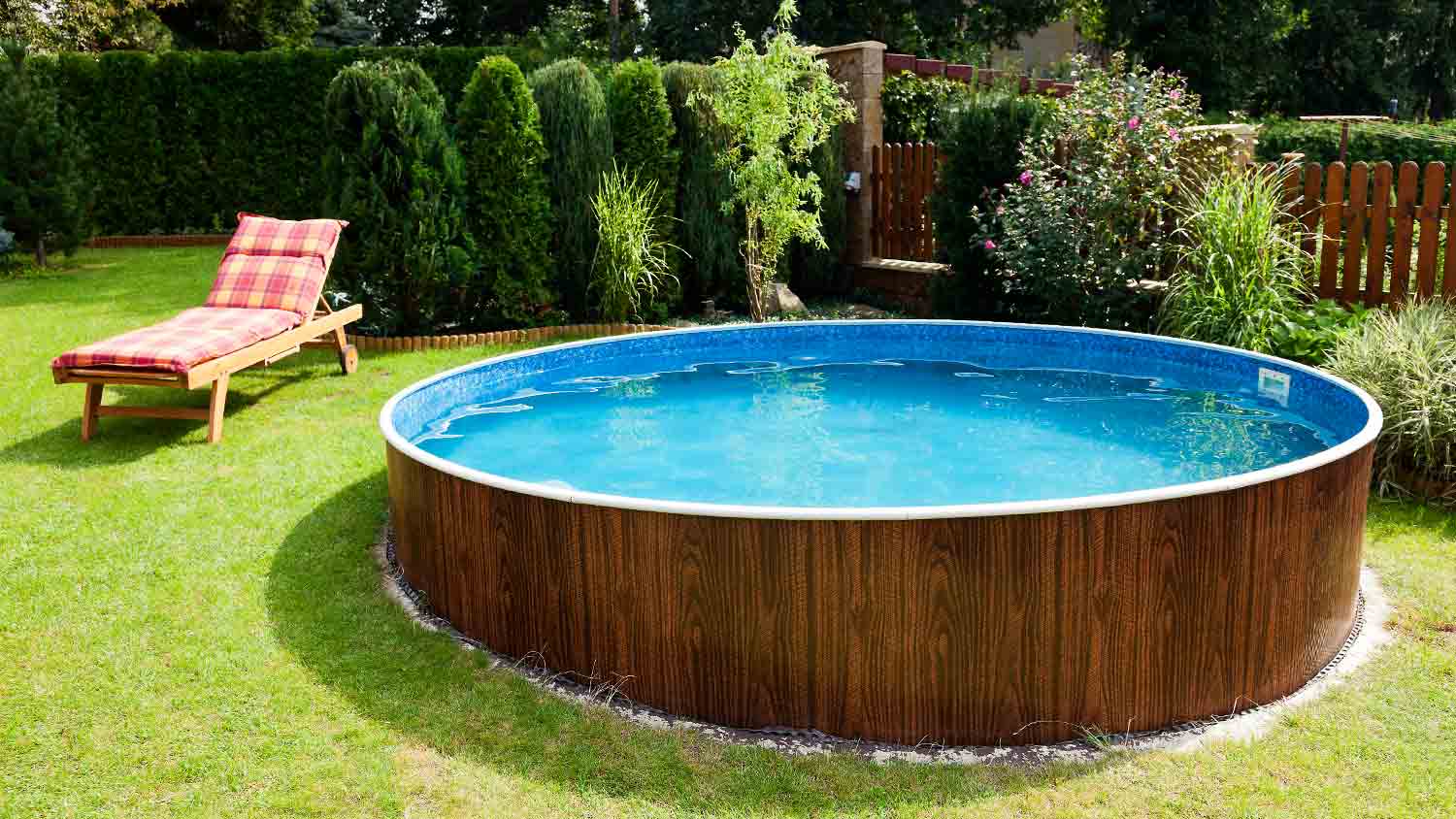
Above ground pools are more affordable than inground pools, so can you put an above ground pool in the ground to save money? Learn when it’s safe to do so.