




Top-rated above ground pool installation pros.

Get matched with top above ground pool installation pros in Jasper, MN

Enter your zip and get matched with up to 5 pros

Need a pro for your above ground pool installation project in Jasper, MN?

Select your specific project to find the pro for you.

Find Above ground pool installation pros in Jasper

Avatar for American Home Shield – Home Warranty
American Home Shield – Home Warranty
3.5(
5,688
)
Above Ground Swimming Pool or Accessories - Repair or Service

Serving Jasper, MN and surrounding areas

In business since 1971

Credit card accepted

"AHS is ok. They cover repairs of most everything under the roof of your house. The companies that contract with them are not always the best. You call AHS with the issue, they send a fax to the repair company and give you the contact info. If they don't contact you within 24 hours, you call them. Sometimes they answer, sometimes they don't. When they arrive (usually three days or so later), they service the item. if it has issues within the 90 days, you call AHS again, they are sent out with no charge. If the serviceman decides the unit is unrepairable, AHS will allow you to choose a replacement from their listing (usually not as good as what you have) they will install and remove your old item, or give you wholesale amount to buy and install your own. Prices vary on what you want covered and what you want the copay to be, plus where you live. For me it is 49.99 per month with a 75.00 time of service order. You can have more than one item serviced at the same time under the same fee. If you have a SEAR product the repair guys are great. Not that wild about the other ones they send out. But it is a big savings compared to calling someone on your own. The cost of service is only the 75.00 copay."

Additional Photos
Additional Photos
Additional Photos
Additional Photos
Additional Photos

+2

Recommended by65%of homeowners
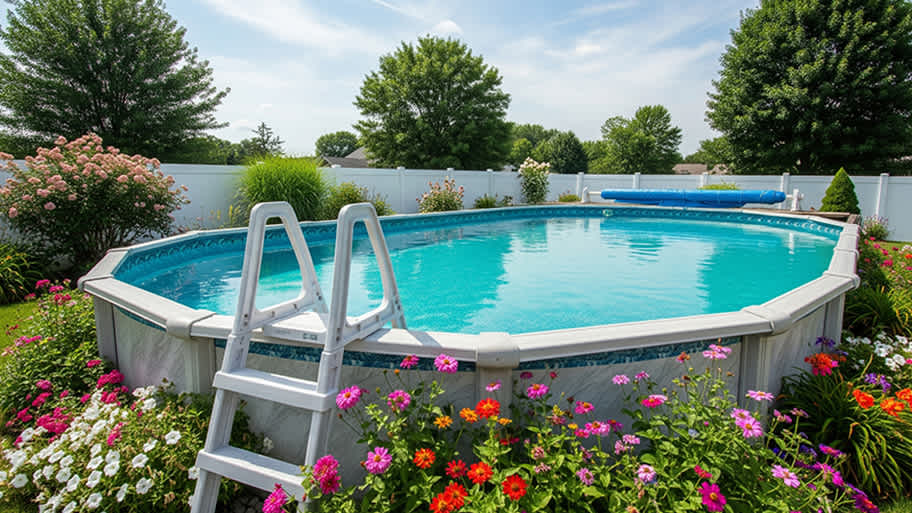
Install Above Ground Pools questions, answered by experts

An in-ground swimming pool enhances property value by adding a luxurious aesthetic and functional feature. It appeals to potential homebuyers who value outdoor entertainment and relaxation spaces, thus raising market desirability.

Yes, pool pumps use a significant amount of electricity, making them one of the biggest energy consumers in a home. A pool pump can use up to three times as much electricity as a refrigerator. Typically, a residential pool pump consumes about 1 kilowatt-hour (kWh) for every hour it runs. Because pumps often need to run for about eight hours a day to properly filter the water, this can add up to an annual consumption of 3,000 to 5,000 kWh, which can cost between $480 and $800 per year based on average electricity rates.

The amount of electricity your pump uses depends on its size, energy efficiency, and daily run time. To lower your energy consumption, you can choose an energy-efficient or variable-speed pump, ensure it is correctly sized for your pool, and run it only for the minimum time required to keep the water clean.

Yes, adding a pool to your property will almost always increase your homeowners insurance premiums. This is because pools are considered hazardous, which increases your home's liability risk. The replacement cost of the pool itself is also factored into your home's rebuilding cost when determining coverage limits. The amount of the increase can vary from as little as $50 to several hundred dollars more per year, depending on your insurance company, location, current coverage, and installed safety features. It is best to contact your insurance agent before installing a pool to get an estimate, understand their specific guidelines, and factor the ongoing cost into your budget.

It depends. Your pool might need chlorine every day if the water is exposed to direct sunlight and you use your pool frequently. UV light and constant use will deplete chlorine levels more rapidly. Test your water regularly to see where your levels sit and adjust accordingly. Generally speaking, most homeowners need to add chlorine following a water chemical test about one to three times per week.

When you’re winterizing your pool, you need to drain some of the water to prevent cracking and warping from ice. Nonetheless, you should never drain all of the water. Ideally, you’ll lower the water level to anywhere from four to six inches below the skimmer. This will protect the structural integrity of the walls, help prevent your pool liner from warping, and reduce damage from debris.

The Jasper, MN homeowners’ guide to above ground pool installation services

From average costs to expert advice, get all the answers you need to get your job done.