




Top-rated excavation pros.

Best excavation pros near Stillwater, MN

Enter your zip and get matched with up to 5 pros

Need a pro for your excavation project in Stillwater, MN?

Select your specific project to find the pro for you.

TRUSTED BY STILLWATER, MN HOMEOWNERS

  • Average homeowner rating star icon4.6
    Average homeowner rating
  • Verified reviews icon49
    Verified excavation services reviews

Top-Rated Excavation pros in Stillwater - Updated Nov 2026

Avatar for Lassonde Excavating
Lassonde Excavating
5.0(
11
)
Landscape - Minor Grading or Resloping

Serving Stillwater, MN and surrounding areas

Approved

In business since 2018

Small jobs welcome

Customers say: Quick response

"Very easy to work with, showed up on time and did a GREAT job. Kyle always made sure we were happy with the landscaping that I needed to do. I would recomend Lassoonde Excavating for any landscaping project."
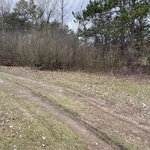
Before Photo
Before Photo
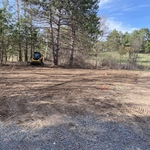
Gravel Pad for RV Storage
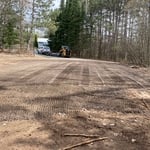
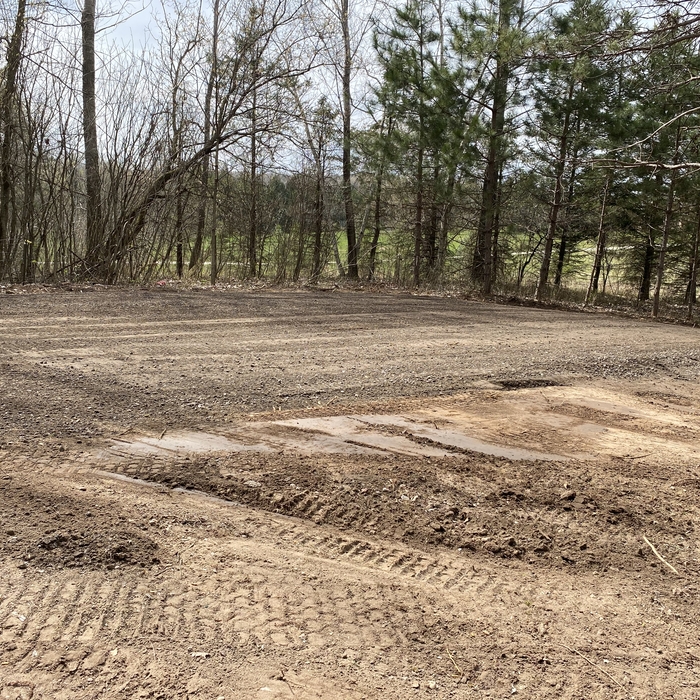
Finished Gravel
Finished Gravel

+11

Response time2 hrs
Response rate96%
Recommended by90%of homeowners

Avatar for Minnesota Grown Services
Minnesota Grown Services
4.9(
35
)
Landscape - Minor Grading or Resloping

Serving Stillwater, MN and surrounding areas

Approved

In business since 2010

Free estimates

Warranties offered

"The attention to detail and the price paid for the project are the two biggest factors when selecting a company for work. I highly recommend Dan Bailey and his Minnesota Grown Services company. My property has never looked this great! Thanks to Dan and his staff."
Response time1 day
Response rate86%
4 neighbors recently requested a quote
Avatar for Clark Companies, Inc
Clark Companies, Inc
4.5(
105
)
Landscape - Minor Grading or Resloping

Serving Stillwater, MN and surrounding areas

Approved

Super Service Award Winner

In business since 2015

Free estimates

Warranties offered

"We have had 2 projects done this summer. After putting them off due to another company's high bid, we decided to try Clark and found them to be more willing to work within our budget. The job leader took time to understand our vision and the office communication was always immediate and timely. The crew was thoughtful and did a remarkable job of keeping the inevitable lawn damage to a minimum. After long hot days, they still made sure the work area was cleaned up each time. We are very happy with the outcome and highly recommend Clark."
NEW WALL
Huge Patio DONE!
Retaining wall
Double Boulder Wall
Commercial City Wall

+140

Response time1 day
222 neighbors recently requested a quote
Recommended by64%of homeowners
...
Showing 1-10 of 144
Excavating FAQs, answered by experts

The rules and regulations regarding groundwater use vary between states. To find out if you can dig a well on your property, you’ll have to consult these regulations, address any compliance requirements, and get the appropriate permits. It’s also important to check that your intended location has the right geology and water table to support a well.

Yes, you can technically make a crawl space liveable, but the only way to do so is by converting it into a basement. While some crawl spaces are big enough to walk through and store large items, they lack appropriate insulation and space to be liveable.

Trenching and boring are two distinct methods for installing underground utilities. Trenching involves digging a channel using equipment like an excavator, trencher, backhoe, or shovel. While it is a simpler process, it causes significant disruption to the surface, landscaping, and surrounding ecosystems.

Boring, also known as directional boring, is a less invasive alternative that uses a drill to create a tunnel for utility lines without disturbing the surface. This method is more precise and is ideal for installations that need to go underneath buildings, roads, or bodies of water. Although boring is less disruptive, it is generally more expensive than trenching.

Depending on the severity of the freeze and the method used, thawing frozen underground pipes can take anywhere from 30 minutes to several hours. Applying heat directly to the pipe using heat tape, infrared lamps, or hot water jetting can speed up the process. However, patience and careful monitoring are key to avoiding pipe damage.

As a general rule, the protected area should be about 1½ times as wide as the canopy of the tree’s leaves. This digging measurement can vary by tree species and the age of the tree. Of course, that can be a lot of fencing for larger trees, which is why our first step is about making difficult decisions on which trees to save.

The Stillwater, MN homeowners’ guide to excavation services

From average costs to expert advice, get all the answers you need to get your job done.