





Top-rated excavation pros.

Best excavation pros near Bayport, MN

Enter your zip and get matched with up to 5 pros

Need a pro for your excavation project in Bayport, MN?

Select your specific project to find the pro for you.

TRUSTED BY BAYPORT, MN HOMEOWNERS

  • Average homeowner rating star icon4.7
    Average homeowner rating
  • Verified reviews icon48
    Verified excavation services reviews

Top-Rated Excavation pros in Bayport - Updated Nov 2026

Avatar for Clark Companies, Inc
Clark Companies, Inc
4.5(
105
)
Landscape - Minor Grading or Resloping

Serving Bayport, MN and surrounding areas

Approved

Super Service Award Winner

In business since 2015

Free estimates

Warranties offered

"We have had 2 projects done this summer. After putting them off due to another company's high bid, we decided to try Clark and found them to be more willing to work within our budget. The job leader took time to understand our vision and the office communication was always immediate and timely. The crew was thoughtful and did a remarkable job of keeping the inevitable lawn damage to a minimum. After long hot days, they still made sure the work area was cleaned up each time. We are very happy with the outcome and highly recommend Clark."
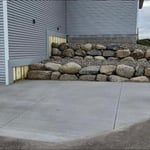
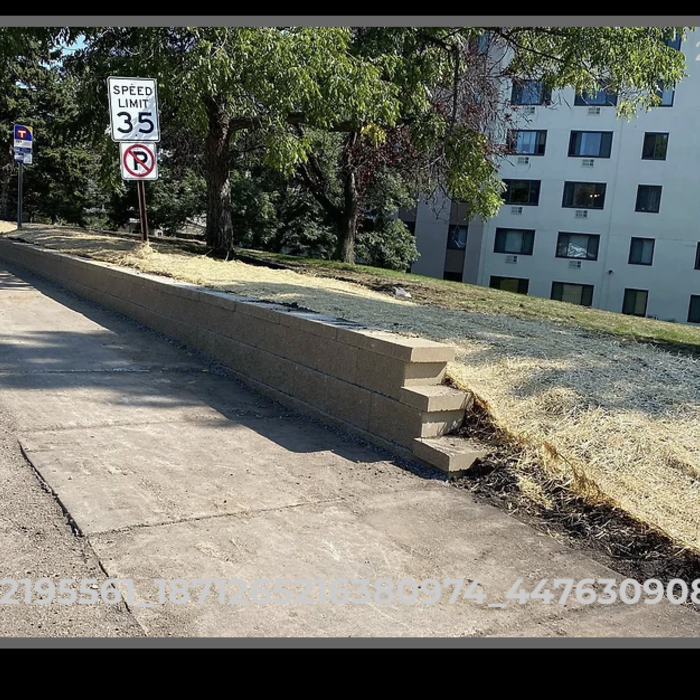
NEW WALL
Huge Patio DONE!
Retaining wall
Double Boulder Wall
Commercial City Wall

+140

Response time1 day
232 neighbors recently requested a quote
Recommended by64%of homeowners
Avatar for G III Landscapers LLC
G III Landscapers LLC
New to Angi
Landscape - Minor Grading or Resloping

Serving Bayport, MN and surrounding areas

Approved

Free estimates

Offers commercial services

Hello my name is Guillermo. This is the company's first year open. I am glad to serve the communities around me and help solve any landscape needs. \n\nSpecializing in garden care, plant transplanting, pruning and trimming, planting, shrub and small tree removal, sodding mulch installations and more.

4 the love
New to Angi
Landscape - Minor Grading or Resloping

Serving Bayport, MN and surrounding areas

Approved

Small jobs welcome

Offers commercial services

Hi, I’m Dave, the owner of a reliable and hardworking lawn care service dedicated to keeping your yard looking clean, healthy, and well-maintained. I take pride in providing quality work, dependable service, and professional results every time.\nWhether you need routine lawn mowing, trimming, edging, or a seasonal cleanup, I’m here to make maintaining your property simple and stress-free. My goal is to treat every yard like it’s my own and leave every customer satisfied with the results.\nReliable service. Clean yards. Quality work.

...
Showing 1-10 of 113
Excavating FAQs, answered by experts

Most residential basements are 8 to 10 feet deep. You can dig deeper depending on building codes, but it does become more difficult. You’ll likely need to install stronger foundation walls and additional supports to handle the increased load. Depending on the water table, you may also need a water management system. Clay soil can support a deeper foundation than sandy soil. A structural engineer will be able to tell you the maximum, feasible depth.

A joint utility trench, or joint trench, is a long, buried ditch on a property that contains two or more utility lines rather than running the lines in multiple trenches. Some utilities, like gas and electric or electric and communication lines, are better suited to joint trenching, while others, like water and sewer, are not allowed to be in the same trench.

A trench that is less than 5 feet deep often doesn't require a protective system. Most residential trenches will not go this deep (the typical residential drainage trench is just 18 inches deep). In the event that an excavator needs to dig more than 5 feet beneath the surface, a protective system is required unless the excavation is in entirely stable rock.

Tree experts don’t advise against digging through tree roots, but instead encourage caution and consultation with a local arborist to make sure you don’t damage the tree’s structure or interrupt its water or nutrient intake. An arborist can recommend specific practices when digging and help prune the roots or dig a trench for utilities with a tool that can remove soil without touching the tree’s roots.

There is no standard depth for burying a septic tank; they are typically buried anywhere from 4 inches to 4 feet underground. The final depth depends on several factors, including the depth of your main sewer line, the height of the bedrock, soil type, local regulations, and the property's landscape. If you plan to grow grass or plants over the tank, a depth of at least 4 to 6 inches is recommended. Deeper tanks can be more difficult to locate, but a septic professional can help find it for you.

The Bayport, MN homeowners’ guide to excavation services

From average costs to expert advice, get all the answers you need to get your job done.