"Finkens is amazing! They are easy to get a hold of, appointments are easy to schedule. Great softeners and maintenance! We've used Finkens for years and highly recommend their company!"
"Nick was great to work with. He gave us an estimate and installed our new water softener system within 2 days. Great experience and would recommend to anyone needing a water softener."
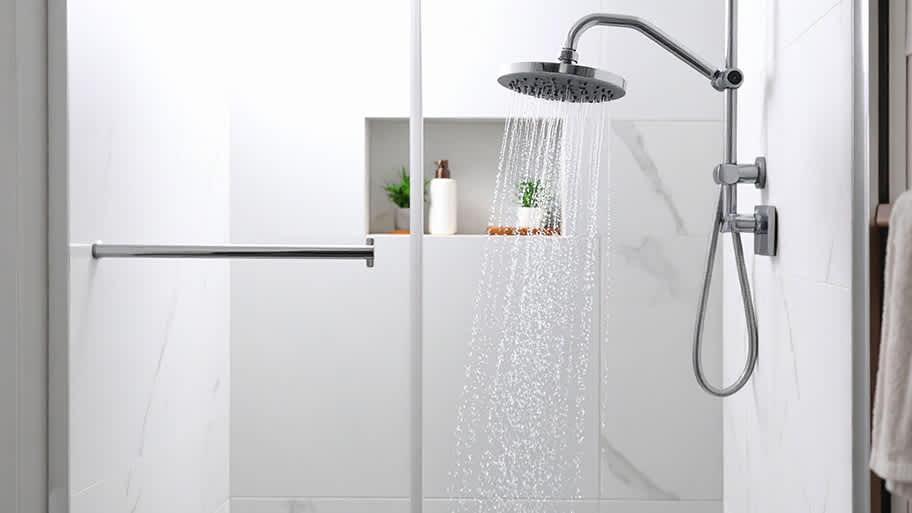
Some shower water softeners are effective, but this isn’t always the case. Most shower filters only filter out chlorine, not hard minerals like calcium. Other shower filters can't handle the demand in homes with very hard water. It's also important to change the filters on your shower filters. Failure to regularly swap out old filters will make the filter ineffective over time.
A water softener removes minerals from your drinking water and can make your house water softer. These softeners are designed to extend the lifetime of your plumbing system while also making water safer and more palatable for drinking. Hard water, which is water with a heavy amount of suspended particles, can also cause hair damage, skin irritation, and buildup in your pipes.
The main difference between a water softener and a water filter is what they remove from the water. A water softener is specifically designed to remove hard minerals, while a filter removes a wider range of contaminants above a certain size, such as bacteria and other impurities. If your primary goal is to remove minerals, a softener is the best choice. If you want to remove various contaminants for safety or taste, a filter is more suitable. Filters are also typically less expensive to install. Depending on your water supply's specific issues, you may need to install both systems for comprehensive treatment.
A water softener is a worthwhile investment if you live in an area with hard water. While hard water is safe to drink, it contains minerals like calcium and magnesium that can cause significant problems over time. These minerals build up inside pipes, reducing water flow and eventually corroding the plumbing system, which can lead to leaks and a shortened lifespan. Hard water also damages fixtures and appliances, potentially resulting in costly repairs. Additionally, it makes soaps and detergents less effective, meaning you'll use more product to get things clean. By installing a water softener, you can prevent these issues. The initial investment is often recouped through long-term savings, including lower energy bills, reduced appliance and plumbing maintenance, and spending less on soap and cleaning supplies. Other benefits include cleaner linens, dishes, and clothing, as well as softer water that is gentler on your skin and hair. In some areas, a water softener can also increase your home's value, making it a valuable long-term investment.
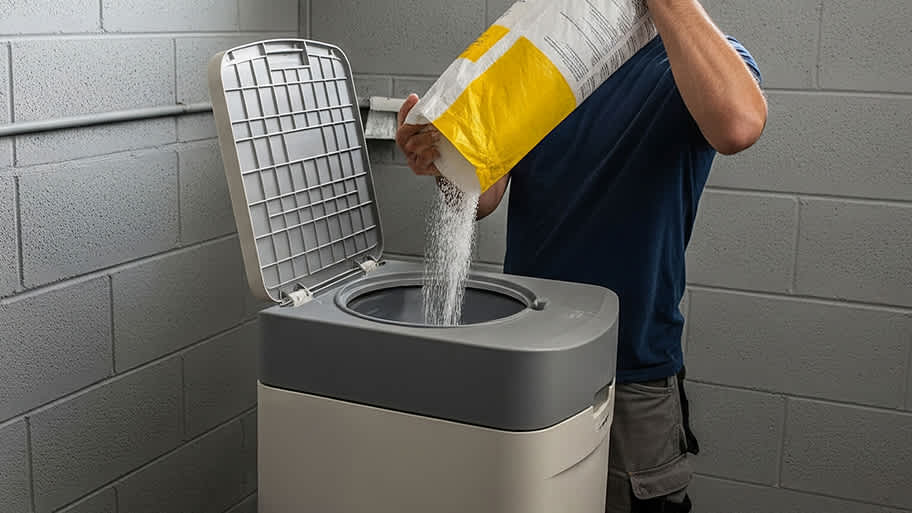
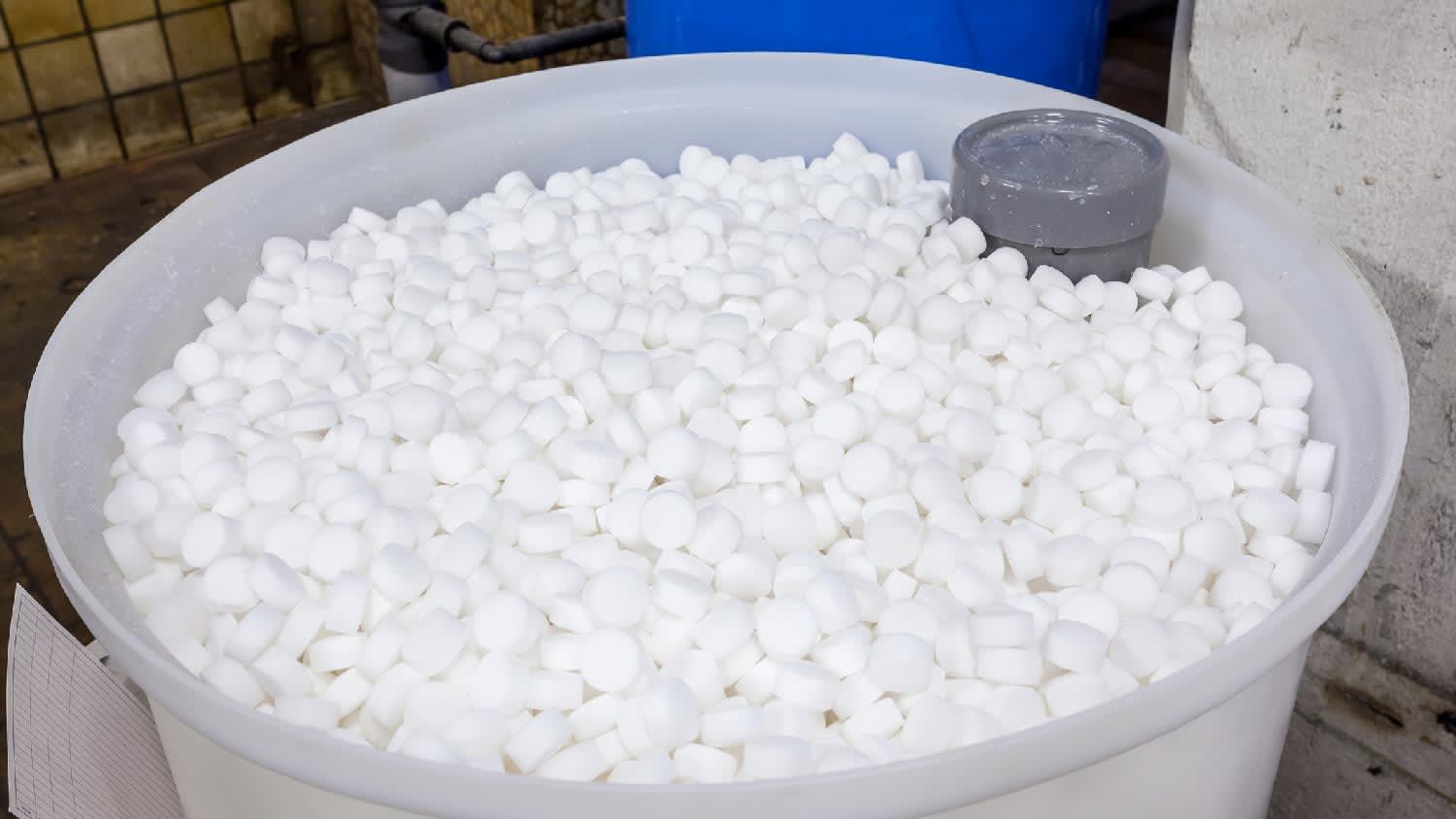
Routine maintenance involves recharging the resin bed with salt or potassium, cleaning components, and periodic inspection.
The Spicer, MN homeowners’ guide to water softener services
From average costs to expert advice, get all the answers you need to get your job done.
Water softener repair costs can add up, but they’re almost always worthwhile. Use this guide to see what your project is going to cost before you get started.
There are four common softener alternatives available on the market today. We compare and contrast each one to help you find your best-fit solution in this blog.
Who repairs water softeners? You should be able to hire water softener repair and installation companies or plumbers to fix issues with these appliances.
Water softeners last up to 25 years, but maintenance, usage, and other factors can affect the life span. Learn more about how long water softeners last.