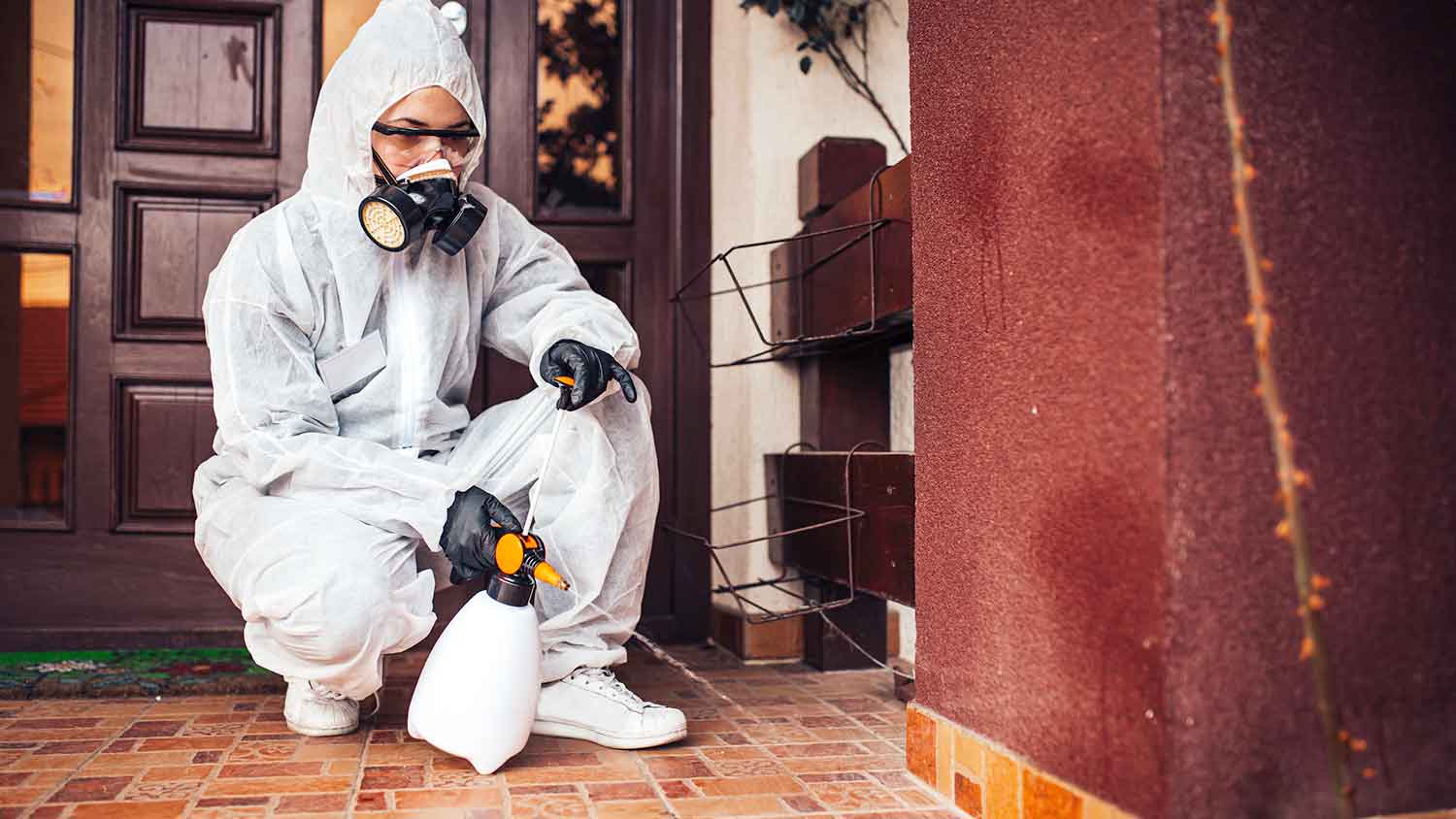
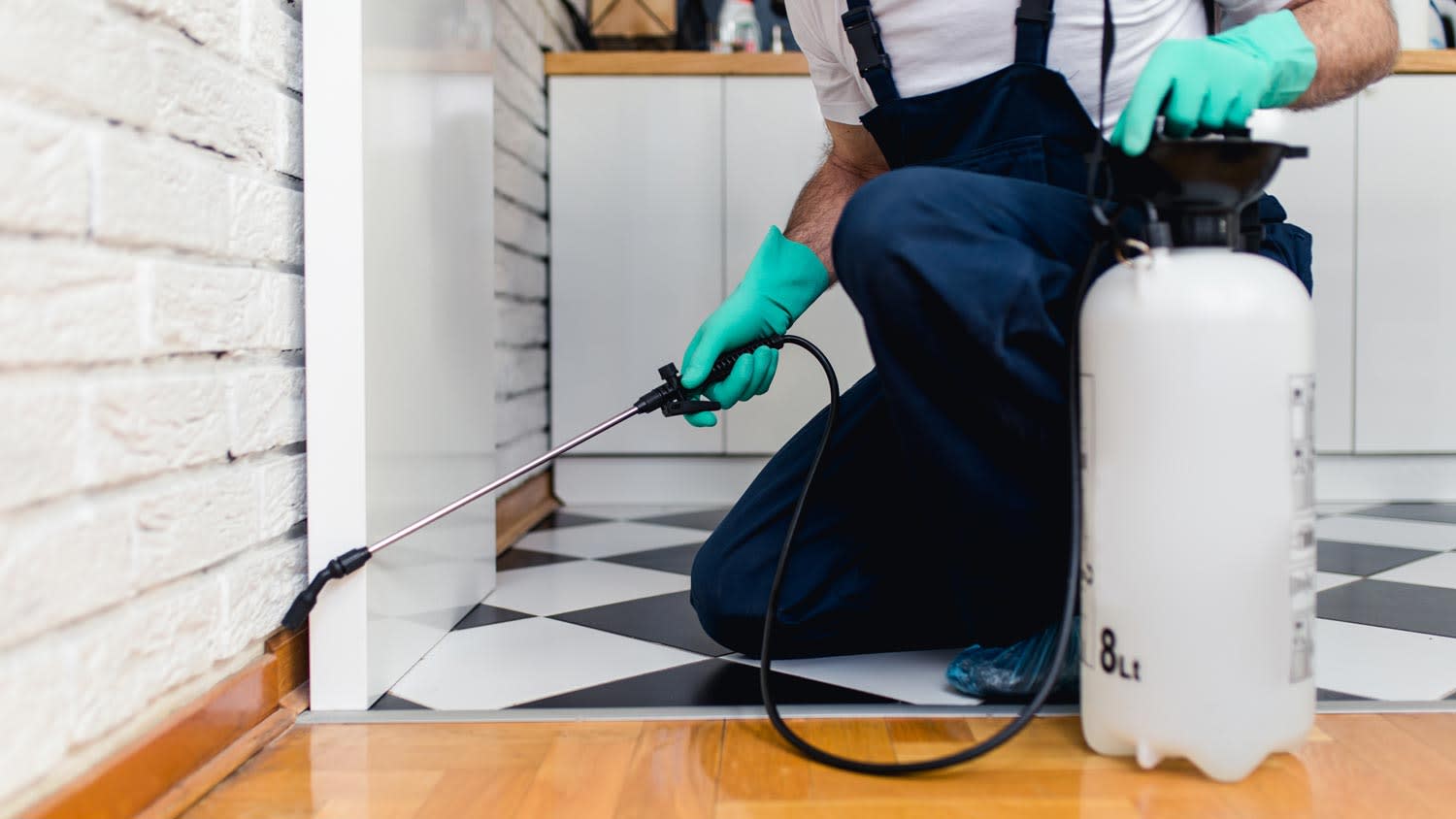
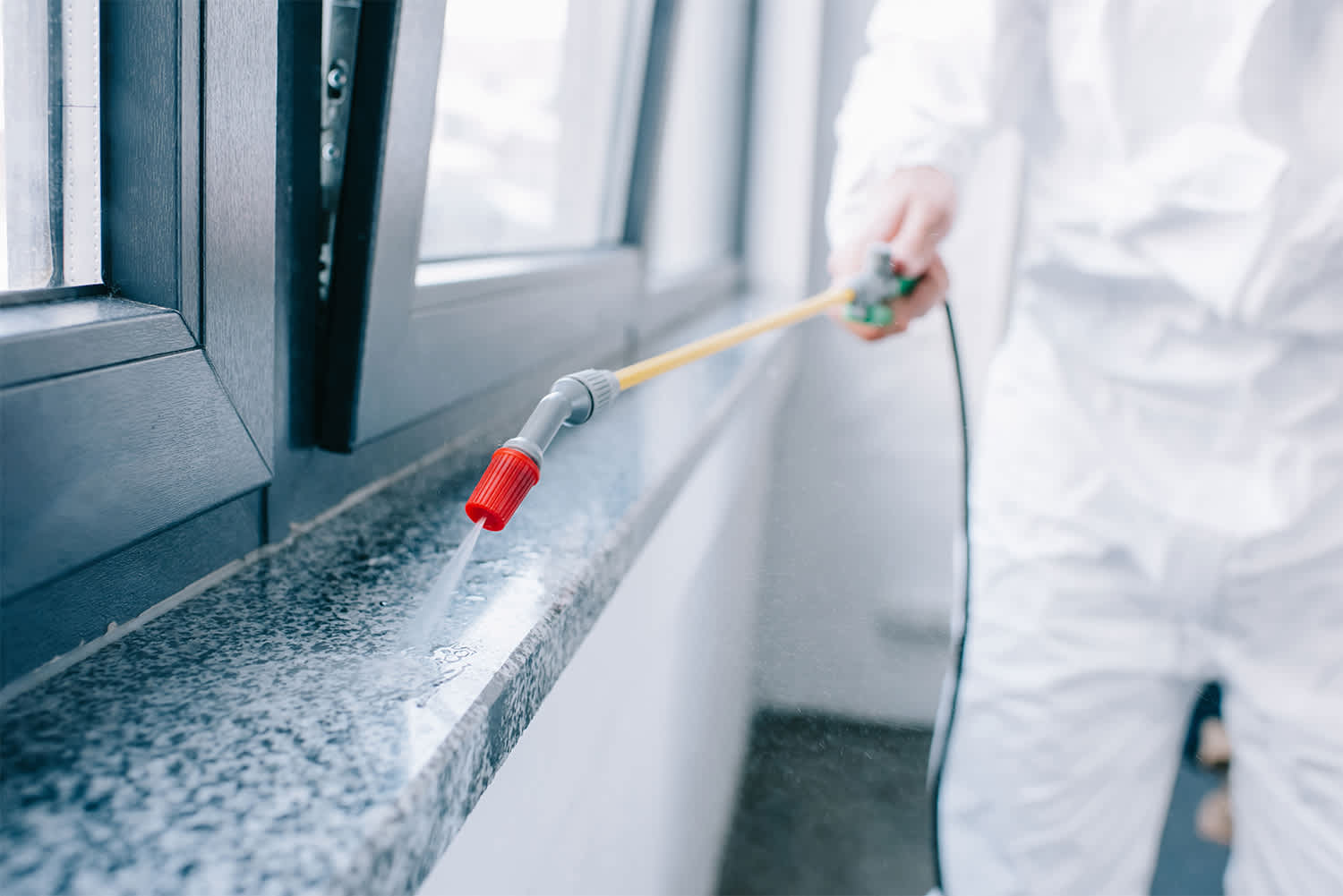
Since 1932, Presto-X has been providing expert pest control services guided by the enduring principles of providing world class service to our customers and taking care of our colleagues. Presto-X covers your home or business with expert knowledge, professionally licensed and trained technicians, and exemplary service designed specifically for you.
"We had our yard sprayed for mosquitoes. Also Japanese beetle remove all bees and wasps sprayed and treated for insects.Our service provider Ruben was very knowledgeable and explained everything about safety of my three pups inside as well. He was thoroughly yet speedy. Great experience and insight pest solutions is the best"
"United Air Temp was able to procure a replacement furnace controller board in a couple of days and Zachary was out within 4 days of the initial visit. The furnace now works very well."
Some natural applications are known to make bed bugs unhappy, like peppermint and tea tree oil. But bed bugs are tenacious and as long as there are sleeping humans around to feed on, they’ll stick around. It’s best to destroy them outright by using heat, steam, or fumigation methods.
Moles live underground and feed on insects. They dig and move through tunnels, usually in meadows or forests but sometimes in lawns and gardens. They are about 6 inches long with large claws, tiny eyes, and hidden ears.
Shrews do not dig their own tunnels but will use other animals’ tunnels, and are about 3 to 4 inches long. They look similar to mice and feed on insects.
Voles are similar in size to moles but have large eyes and small but visible ears. Rather than eating insects, voles are herbivores that prefer seeds, grasses, and plant roots.
Carpenter ants don’t eat wood. It’s a common misconception because many kinds of termites eat wood as well as live inside it. Carpenter ants, however, are omnivores and only chew into wood to create pathways and nests, discarding the chewed wood as frass which is a major indicator of a carpenter ant problem. They prefer to eat smaller insects, sweet things like spilled honey, and sources of protein like pet food.
False chinch bugs are generally smaller and somewhat paler than true chinch bugs, although they otherwise look similar. The name is a bit of a misnomer: They act very similarly and both feed on plants by sucking out their juices. However, chinch bug feeding tends to be very destructive to the plant, while strangely the false chinch bug does relatively little damage.
The cockroach most easily confused with water bugs is the Oriental cockroach, for several reasons. Their shape is most similar to a water bug, and they’re notorious for seeking out and living near water. If you capture one of these bugs close to a water supply, you can quickly tell if it’s an Oriental roach or a water bug. These roaches are a darker color, and they cannot fly, while water bugs are a lighter brown and can fly to escape.
The Silver Lake, MN homeowners’ guide to pest control services
From average costs to expert advice, get all the answers you need to get your job done.