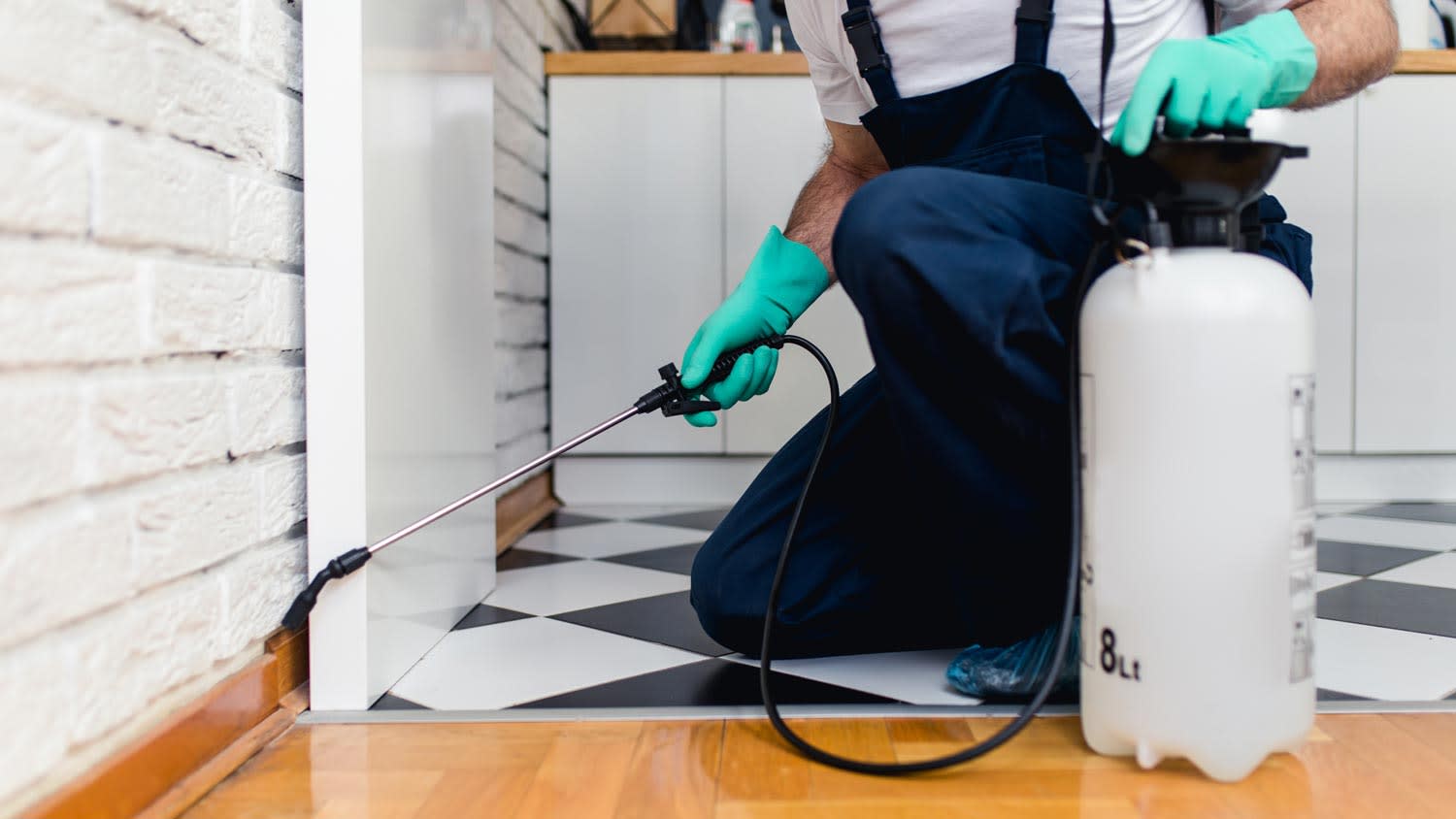
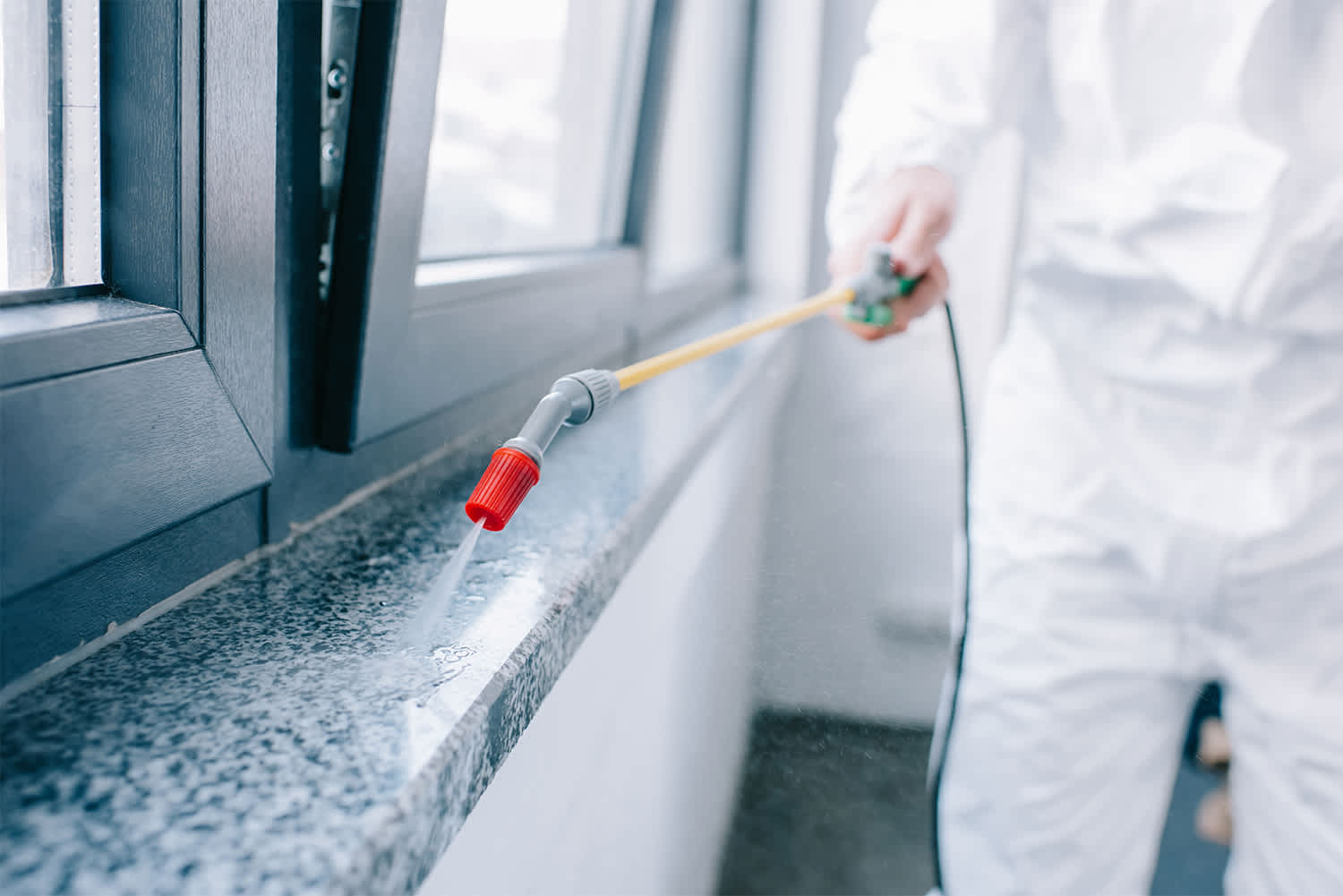
"Very knowledgeable guy who seem to know what he’s doing. Don’t know results of spraying. Have had much rain since. Will have to see if it worked. Terminex will spray again the beginning of next month."
"We had our yard sprayed for mosquitoes. Also Japanese beetle remove all bees and wasps sprayed and treated for insects.Our service provider Ruben was very knowledgeable and explained everything about safety of my three pups inside as well. He was thoroughly yet speedy. Great experience and insight pest solutions is the best"
"United Air Temp was able to procure a replacement furnace controller board in a couple of days and Zachary was out within 4 days of the initial visit. The furnace now works very well."
Since 1932, Presto-X (formerly Anderson Pest Solutions) has been providing expert pest control services guided by the enduring principles of providing world class service to our customers and taking care of our colleagues. Presto-X covers your home or business with expert knowledge, professionally licensed and trained technicians, and exemplary service designed specifically for you.
Drain flies aren’t likely to make you sick and typically aren’t harmful to humans. They don’t bite or sting; however, they can cause allergies. In some individuals, they can also trigger asthma. The main issue with these little bugs is that they’re annoying, unsightly, and unsanitary. Like all flies, they can spread bacteria from garbage or your sewer system.
They can have a deterrent effect on birds to some extent. The reflective surfaces of these objects, such as aluminum foil strips, CDs, or reflective tape, create flashes of light and movement that can startle or confuse birds temporarily. However, some birds can become accustomed to these visual disturbances over time and might adapt their behavior accordingly. For a more sustained solution, combining shiny objects with other deterrent methods shared here is often beneficial for creating a more comprehensive and effective strategy for bird control.
There’s indeed no guarantee termites won’t return to your home, even after top-notch professional treatment. In areas where these hardy pests are prevalent, it can be tricky to banish them for good.
However, maintaining preventative measures, keeping a close eye out for early signs, and purchasing an ongoing professional treatment management plan can ensure you keep termites at bay and reduce the chance of any damage. Professional whole-house termite treatments can last five years or more.
While keeping any critter away permanently isn’t always possible, you can keep mice away from your home by setting traps, fumigating your space, and sealing known entry points. Once you’ve taken these steps, take time to work on prevention measures, such as clearing out all clutter and recyclables and removing all food sources.
Unless foxes are a major threat or nuisance, living peacefully alongside them is often better. Reclusive foxes are rarely a risk to humans, and they can help keep rodent populations at bay and boost biodiversity in your yard. Plus, if you are a wildlife lover, there is the simple privilege and pleasure of watching a fox family interact right on your doorstep.
The Brownton, MN homeowners’ guide to pest control services
From average costs to expert advice, get all the answers you need to get your job done.