

Top-rated excavation pros.

Get matched with top excavation pros in Roseau, MN

Enter your zip and get matched with up to 5 pros

Need a pro for your excavation project in Roseau, MN?

Select your specific project to find the pro for you.

Find Excavation pros in Roseau

Ruff It Up Construction
4.0(
4
)

Serving Roseau, MN and surrounding areas

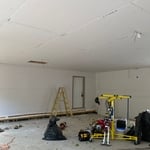
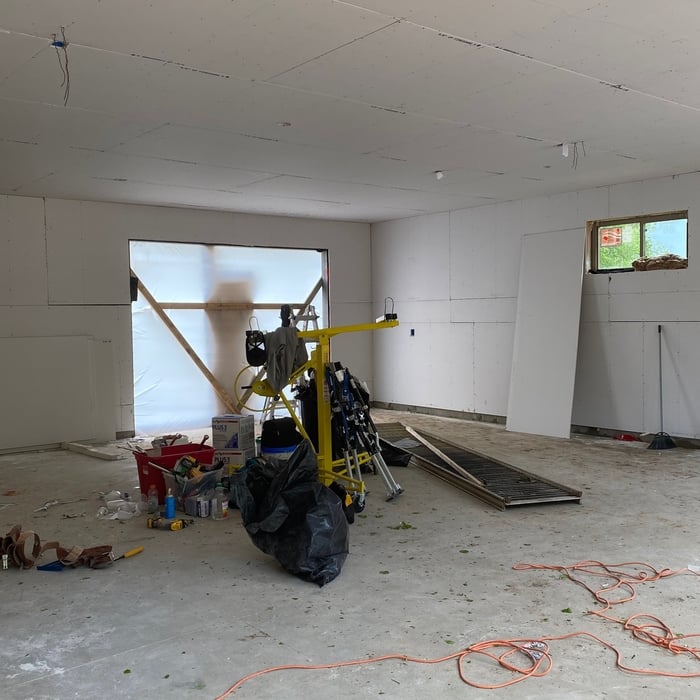
"The team was prompt and very detailed, was able to pivot and suggest little changes that improved the overall look. They reconstructed a soffit and several bathroom and bedroom walls to enhance the appearance. I asked for non textured ceilings and they are flawless. Great communication throughout the job…I will rehire again in the future!!"
Drywall
Garage
Mudding
Drywall
Garage

+19

Recommended by75%of homeowners

Earthscape stone masonry & landscape design
0.0(
1
)

Serving Roseau, MN and surrounding areas

In business since 1997

At Earthscape, our uncompromising dedication to quality craftsmanship ensures that every project is approached individually, creating a personal masterpiece that meets the needs and expectations of our clients, from design to completion. We specialize in landscape and architectual stone masonry (interior & exterior). Examples of our work include: Fireplaces(indoor & outdoor), walls, flooring, facing, patios, and pool decks. We also make custom birch and stone furniture and furnishings. Let our team go to work and add the beauty and strength of natural stone to your home and landscape, creating your perfect little corner of the world.\n \n

Excavating questions, answered by experts

In the United States, a depth of 36 inches (three feet) for underground water lines is the accepted industry standard. This depth varies from location to location based on local conditions. In areas with colder winters, they may be buried deeper to prevent frozen well water pipes : This is usually at least six inches below the frost level. The International Plumbing Code calls for a minimum of 12 inches below grade.

You can bury underground electrical wire six inches deep—but only if you use a rigid metal electrical conduit. For rigid, non-metallic conduits, bury the wire at least 12 inches deep. If using an underground feeder cable rated for direct burial, you'll need to place it at least 18 inches deep, as it has no conduit for extra protection.

Sewer lines can be buried anywhere from 18 inches to 8 feet deep, with a common average depth between 18 and 30 inches. The exact depth depends on local factors like climate and soil type. In colder regions, pipes must be buried deeper (below the frost line) to prevent freezing, sometimes as deep as 8 feet. The digging depth can also impact the cost of sewer line replacement. To find the specific depth for your property, you can check the building plans for your system, which should be on file with your city or local sanitation department since permits are required for installation.

Underground downspouts refer to the sections of downspout extensions that lead away from your home and gutter system. While they cost more than traditional extensions, they can provide several benefits, such as less frequent damage and no need to move them for lawn care tasks. Whether they're worth it or not depends on your budget at installation time and how much convenience they'll add to your situation.

While you can save some money by digging your own pool, you may end up paying more in construction equipment rental fees in the long run. You could, however, focus your DIY energies on lowering the cost of leveling your lawn for your pool or filling in surrounding landscaping after construction.

The Roseau, MN homeowners’ guide to excavation services

From average costs to expert advice, get all the answers you need to get your job done.