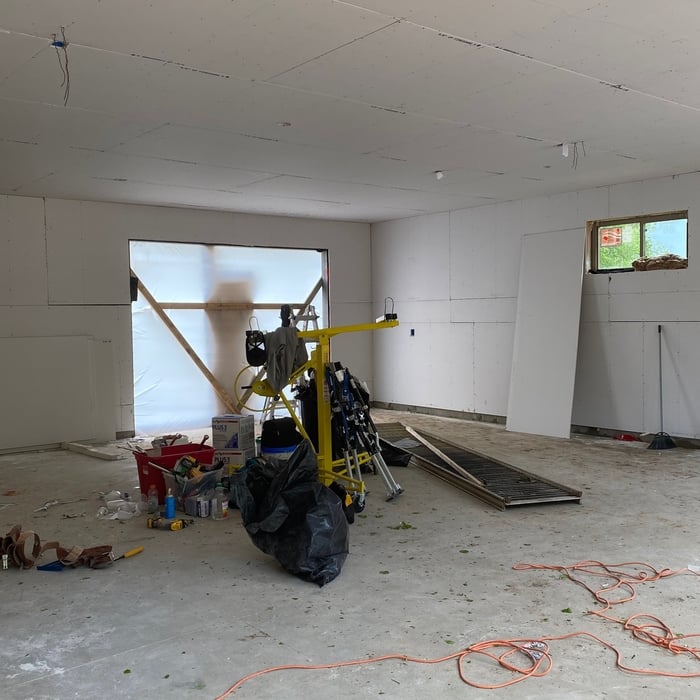
"The team was prompt and very detailed, was able to pivot and suggest little changes that improved the overall look. They reconstructed a soffit and several bathroom and bedroom walls to enhance the appearance. I asked for non textured ceilings and they are flawless. Great communication throughout the job…I will rehire again in the future!!"
We pride our company on reliability, great communication, integrity, and quality work. We are experts in our trade and will do our best to keep you as educated as we can on your particular task or project. We look forward to earning your business!
Zachary Vig Construction has been in business since 2026, with over 10 years of experience! We specialize in all your home improvement multiple small project needs, and guarantee you a job well done! Whether it be a ceiling fan that needs to be installed, or a door that needs repaired, we are your guys! We strive to exceed the homeowner's expectations each and every time, and get the job done the way you want it. We work in a timely fashion and always pay attention to detail. Proudly serving Hallock & surrounding areas. Free estimates. Call today!\n
At Earthscape, our uncompromising dedication to quality craftsmanship ensures that every project is approached individually, creating a personal masterpiece that meets the needs and expectations of our clients, from design to completion. We specialize in landscape and architectual stone masonry (interior & exterior). Examples of our work include: Fireplaces(indoor & outdoor), walls, flooring, facing, patios, and pool decks. We also make custom birch and stone furniture and furnishings. Let our team go to work and add the beauty and strength of natural stone to your home and landscape, creating your perfect little corner of the world.\n \n
The rules for trenching and excavation include setting up and following safety protocols, learning how to use tools and machines properly, and ensuring there is a safe exit for all workers. Keep heavy equipment and materials away from the edge of the hole or trench. Call the 811 dig line before starting any excavation or trenching project to ensure you don’t hit any electrical or gas lines.
Some two-in-one tools and machines do both jobs, and those could be the right solution for smaller residential projects. However, the phrase “use the right tool for the job” definitely applies to digging. For the best results, get two separate tools for your trenching and landscape edging projects or call a pro to take care of everything for you.
Trenchers can dig holes as narrow as 4 inches or as wide as 4 feet. Check the specifications of the trencher you rent or buy to determine how wide it will cut into the landscape. Better yet, let the excavation company know how wide you’d like the trench to be, and they can help you choose the right trencher for the job (or do it for you).
The cost to drill a well varies, with a national average of around $5,500 for a 150-foot well. However, prices can fluctuate significantly based on several factors, including your location, the required well depth, geological conditions, local regulations, and the specific drilling methods used. For the most accurate cost assessment, it is best to research and get quotes from local well-drilling professionals in your area.
Whether you grind or dig up and remove your tree stump depends on your landscaping goals. Using a stump grinder leaves the root system in place for it to decompose over time, whereas digging up the tree stump removes the roots and the stump. Overall, stump grinding is a far simpler process since you won’t need to deal with the roots. Stump removal will make your yard look like a demolition site, but you’ll have an easier time replanting in the same place as your former tree.
The Karlstad, MN homeowners’ guide to excavation services
From average costs to expert advice, get all the answers you need to get your job done.
Excavation costs $1,500 to $6,300 for most residential projects—but it depends on factors like the size of the area. This guide will help you plan a budget.
You can't have an in-ground pool without digging into the ground. How much does pool excavation cost, and can you take it on yourself? Our guide explains.